The call comes through on a Tuesday afternoon. A national supermarket chain wants your fruit juice, the one you've been perfecting in a small Paarl factory while everyone told you the market was full. Listing confirmed. Shelf space secured. The dream, in writing.
Then the buyer asks one question that changes everything: "Can you supply all our stores?"
Johannesburg. Durban. Gqeberha. Mbombela. Polokwane. Pretoria. Suddenly the recipe you spent months refining matters less than a question you may never have asked yourself: can you keep shelves stocked, week after week, in cities you've never delivered to?
A retail listing proves the buyer believes in your product. What happens next proves whether you can build a brand around it, and that test is fought in freight schedules, warehouse floors and delivery routes, not in the tasting room.
What Happens Between Your Factory and the Supermarket Shelf?
Every beverage brand walks the same road after production. The difference between the brands that become household names and the ones that quietly vanish from shelves usually comes down to how well they walk it.
It starts with production planning. The instinct is to bottle as much as possible. The smarter move is to bottle the right amount, forecasting demand accurately, coordinating ingredient deliveries, and scheduling production runs so you're never caught between a stockout and a warehouse full of stock nobody ordered.
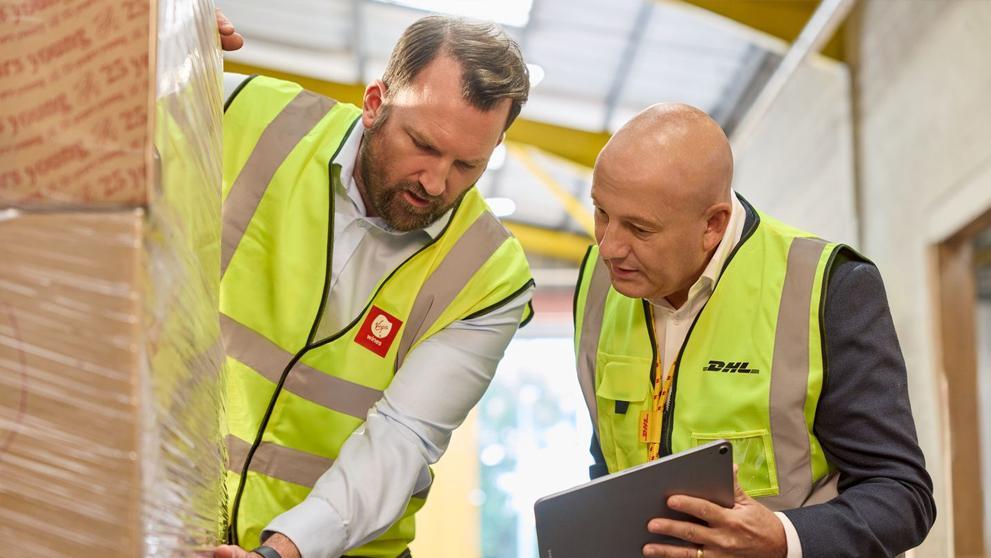
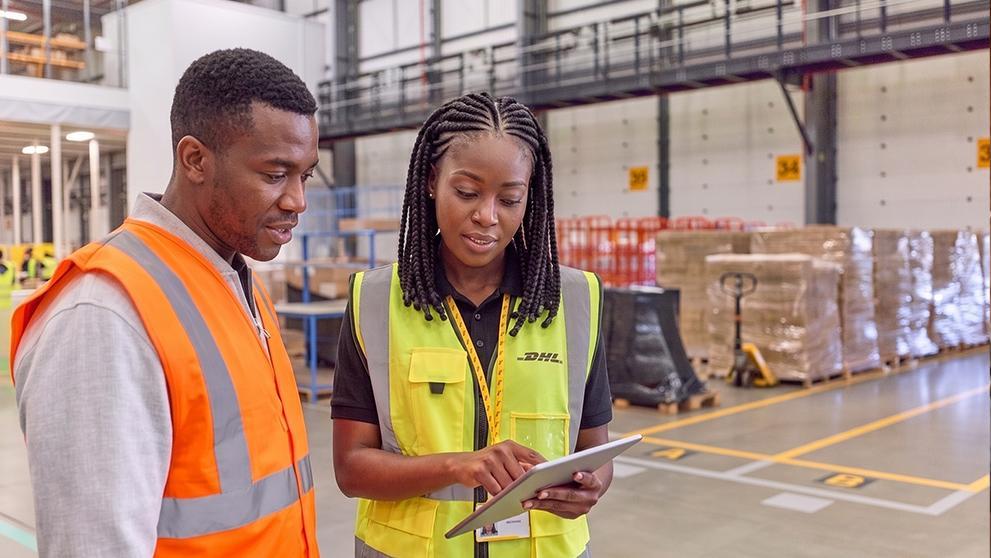
Then comes warehousing. This is your brand's engine room: where inventory gets organised, shipments get picked and packed, and delivery schedules take shape. A well-run warehouse is invisible to your customers. A badly run one shows up as an empty shelf.
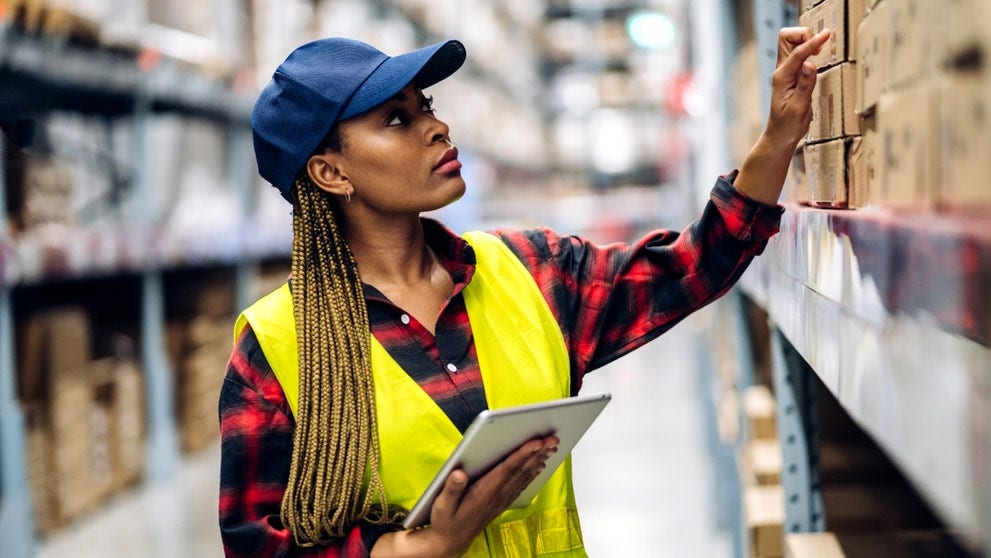
Next, your products enter the distribution network. This is where your B2B logistics strategy earns its keep, with delivery vehicles moving orders to supermarket distribution centres, wholesalers, independent retailers, and hospitality venues across the country. Every route, every drop, every proof of delivery.
Finally, retail replenishment keeps you on the shelf. The first delivery gets you listed. Continuous restocking keeps you there. Sometimes that means overnight courier services or expedited freight to rescue a shelf before it runs dry, because in retail, an empty shelf isn't just lost sales. It's a conversation your buyer remembers at range review.
The Real Work Starts After Production
When customers start asking for your drink by name, it's tempting to believe the hard part is behind you. For a brand with national ambitions, it's only just begun.
Retailers in Johannesburg expect deliveries on time, not "on the way." Wholesalers from Durban to Pretoria need restocks before their own customers start asking questions. And the restaurants, hotels and coffee shops from Cape Town to Bloemfontein? They work with suppliers who show up consistently, full stop.
This is the quiet truth behind every big beverage brand in South Africa: marketing makes people want the product, but distribution makes sure it's there when they reach for it. One without the other is a brand that trends for a season and disappears by the next.
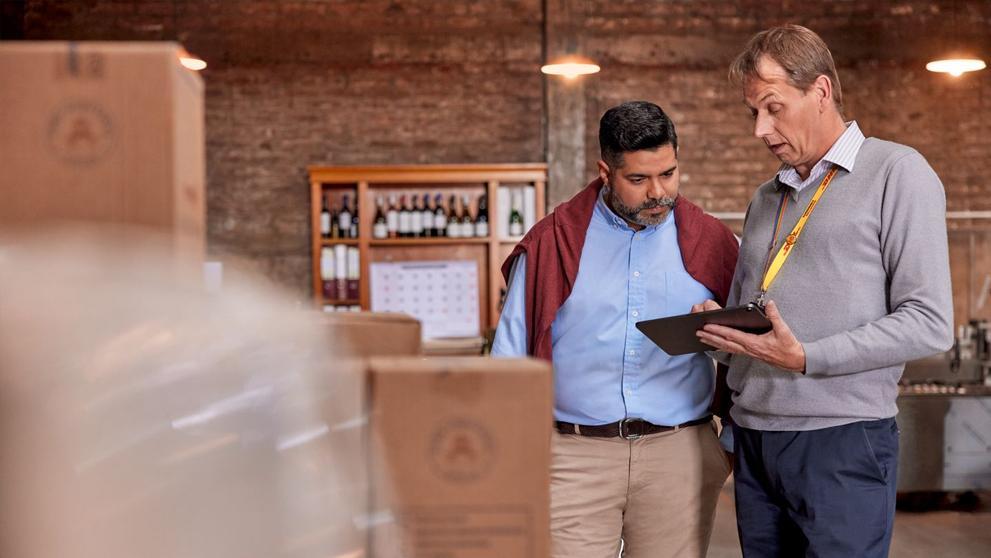
How Leading South African Beverage Brands Build Their Distribution Networks
Three principles separate the brands that scale from the brands that stall:
1. Plan distribution from day one
Most brands only think about logistics after the big contract lands. The successful ones plan for it before the first pitch meeting. Before you approach a supermarket chain, a wholesaler or a hospitality group, be honest with yourself:
Can you fulfil large orders consistently, not just once?
Can you restock stores before they run dry?
Are you ready to deliver beyond your home city, this month, not next year?
Do you know exactly where your stock is, right now?
If the answer to any of these is "not yet," that's your next project, before the next sales call.
2. Design a supply chain built to last
Moving product from factory to retailer is one link in a longer chain. As you grow, you need freight management, inventory tracking, warehousing, order fulfilment and distribution planning working as one system, not five separate spreadsheets held together by late-night phone calls.
3. Build for the business you're becoming, not the one you are
Your logistics should reflect where you're going, not where you started. Doing your own deliveries or leaning on a small courier might carry you through your home city. It won't carry you across provinces.
Rather than rebuilding your logistics every time you outgrow them, choose a distribution model that scales with your ambition, and keeps your products secure from depot to doorstep.
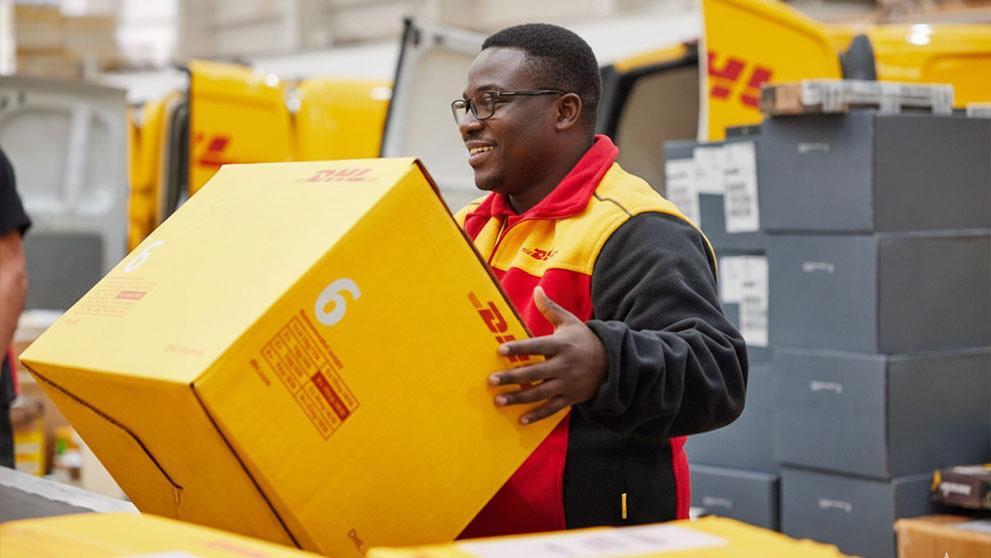
Scale Your Beverage Brand with DHL Express
Building warehouses, managing freight and coordinating nationwide distribution takes years and serious capital.
Growing beverage brands don't have to start from scratch. They can plug into DHL Express's established logistics network from day one.
Whether you're bottling water in Gauteng, roasting coffee in the Western Cape or building the next big soft drink brand in KwaZulu-Natal, opening a DHL Express Business Account connects you to nationwide distribution: more retailers reached, better product availability, and room to scale across South Africa, while you focus on what you do best. Crafting drinks South Africans love.
Frequently Asked Questions (FAQs)
Beverage companies in South Africa rely on a seamless blend of warehousing, freight transport, inventory control, and well-established distribution networks to get their products from the production line to wholesalers, retailers, restaurants, and supermarkets. When looking to expand their footprint, many collaborate with seasoned logistics partners to boost efficiency and broaden market access. Click here to learn more about DHL Express South Africa’s commitment to fast, reliable shipping and transparent timelines.
Yes. Instead of working with scheduled distribution networks only, some businesses use overnight courier services when urgent replenishment, promotional stock, or time-sensitive deliveries are requested. See: Flexible Delivery Solutions for South African Businesses.
As beverage brands grow, managing nationwide distribution becomes increasingly complex. Logistics providers like DHL help businesses simplify this process through integrated freight, warehousing, supply chain, and distribution solutions that improve delivery reliability, strengthen retailer relationships, and support long-term growth across South Africa. More on How Smart Logistics Is Transforming South African SMEs.


 Share
Share

Similar Stories