Now, as Q1 2026 rolls in, the spotlight is on: will the billions poured into infrastructure and private sector innovation finally pay off where it matters most?
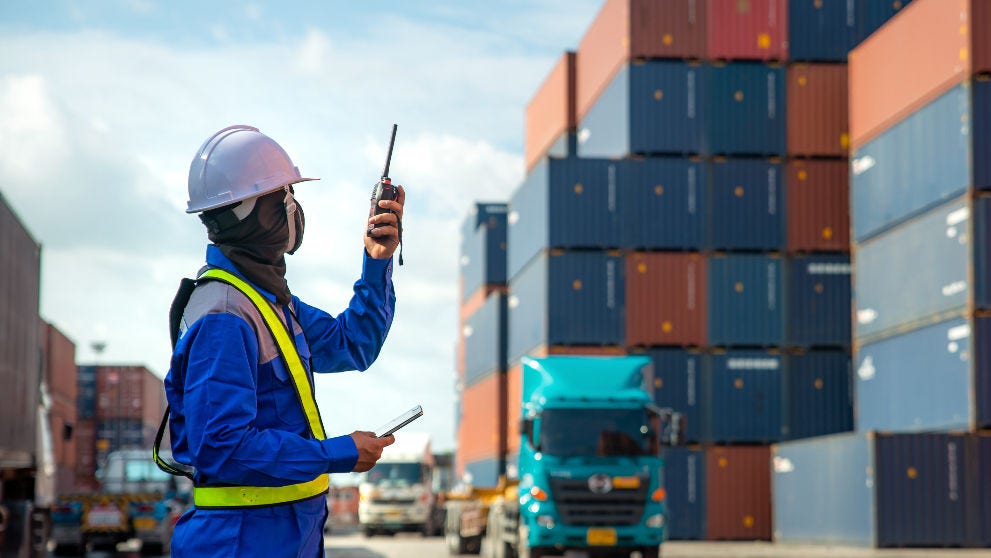
On the ground, you can feel the shift. Private deals are signed, cranes are humming, and the mood at the ports is more upbeat than it’s been in years. After a long stretch of frustration and delays, the “turnaround plan” is no longer just a line in a government document. It’s visible, in the extra trucks at the gates, in the faster-moving stacks, and in the optimism on the faces of people who make South African trade happen.
Two Ports, One Big Test
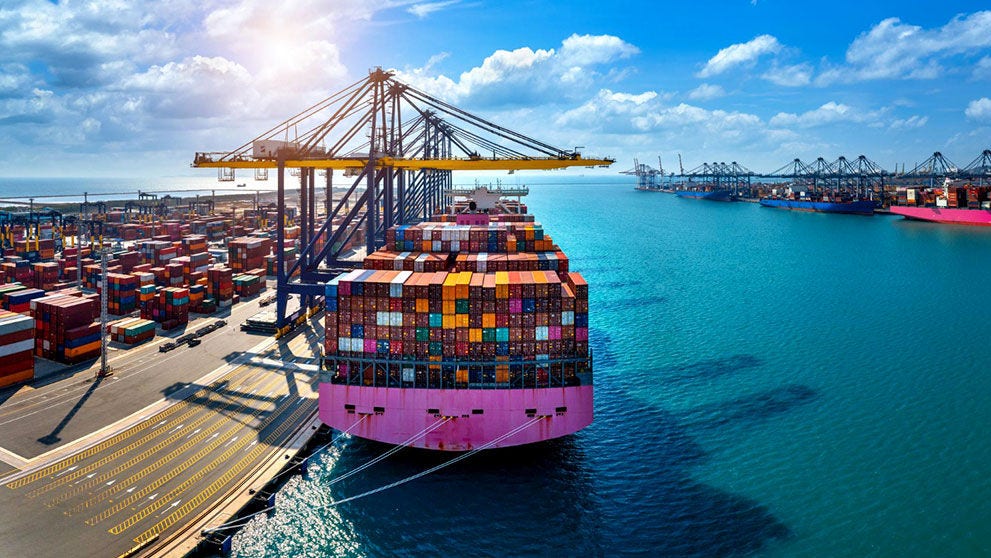
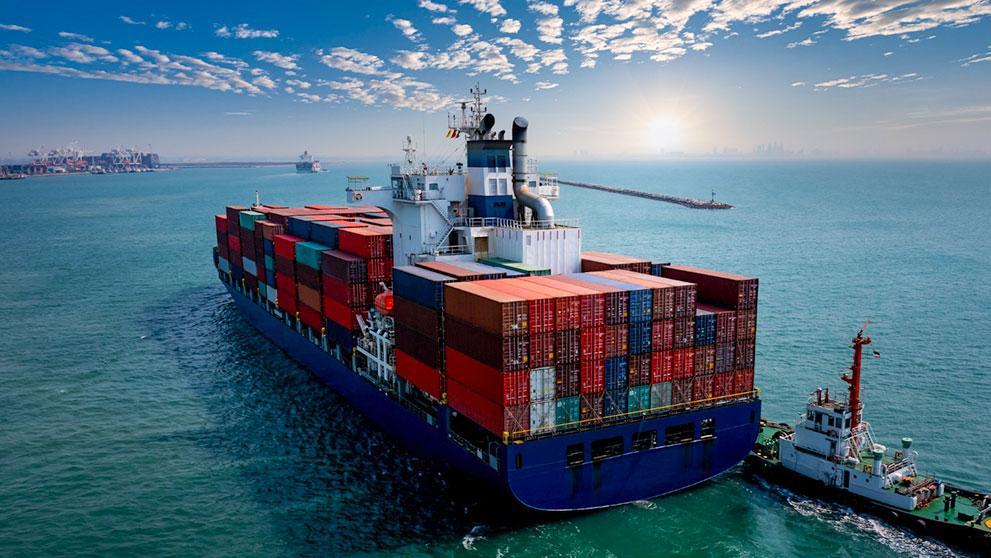
Durban and Cape Town have always had their own battles. Durban, the workhorse, has wrestled with congestion for years. Cape Town’s challenge has always been the wind, and the pressure of the fruit export season. But for the first time, both ports are turning a new page at the same time, each with its own bold play.
Durban’s story centres on a landmark private concession, bringing global muscle and fresh thinking to its flagship terminal. Cape Town is betting on new gear and smarter ways of working to finally outsmart the Cape Doctor and keep the fruit moving, wind or no wind. For exporters, Q1 is the real test: can these changes finally deliver the speed and reliability that South African business has been begging for?
Durban: Changing the Game, Raising the Bar
The real headline in Durban? Pier 2 is now under the stewardship of International Container Terminal Services Inc. (ICTSI), after a 25-year deal inked at the end of 2025. The takeover isn’t just changing the name on the door, it’s a full-scale reinvention, with ICTSI committing R11 billion to supercharge capacity from 2 million to 2.8 million TEUs.
The impact is already being felt. Crane moves per hour are climbing from a sluggish 18 to a much sharper 28, and vessel turnaround times are tightening. That matters, because Pier 2 handles nearly three-quarters of the port’s volume. Every gain here has a direct knock-on effect for supply chains across the country. Exporters who’ve spent years dodging bottlenecks are now seeing real, measurable improvements.