

REFERENCES
1 & 2 – CleanHub, May 2025

Consumers today are making purchasing decisions differently than they did just a few years ago. While price, quality, and convenience remain important, many shoppers now also consider how products are made, packaged, and delivered.
Across the UAE, sustainability has become an increasingly important part of everyday business. As the country continues to advance its Net Zero by 2050 Strategic Initiative, consumers are becoming more aware of their environmental impact and are actively seeking brands that share their values.
For small and medium-sized businesses (SMEs), this presents an opportunity. By embracing sustainable practices and communicating them effectively, businesses can strengthen customer trust, differentiate themselves from competitors, and support long-term growth.
Conscious consumerism refers to making purchasing decisions based not only on price or convenience but also on the environmental and social impact of those purchases.
Today's consumers increasingly consider questions such as:
Rather than simply buying products, conscious consumers choose brands whose values align with their own.
For businesses, this means sustainability is no longer just a corporate initiative—it has become part of the overall customer experience.
Sustainability has become a national priority across the UAE.
Government initiatives, environmental awareness campaigns, and increasing investment in renewable energy have encouraged both businesses and consumers to adopt more responsible practices.
Consumers today have greater access to information than ever before. Before making a purchase, many research companies online, read reviews, visit sustainability pages, and compare brands based on environmental commitments.
At the same time, large organizations and government entities increasingly expect suppliers to demonstrate responsible business practices, making sustainability an important competitive advantage for SMEs.
Environmentally conscious consumers come from all age groups, but younger generations continue to lead the shift toward sustainable purchasing.
Millennials and Generation Z often prioritize brands that demonstrate transparency, ethical sourcing, and environmental responsibility. However, sustainability is becoming increasingly important across all generations, particularly for everyday purchases such as food, fashion, beauty products, electronics, and household goods.
Whether shopping online or in-store, today's consumers expect businesses to demonstrate genuine action rather than simply making environmental claims.
9 out of 10 consumers believe that it’s important for businesses to act in a socially and environmentally responsible way2
From your supply chain to your packaging and brand story, every touchpoint matters. Here’s what they’re looking for:

Consumers appreciate businesses that are honest about their sustainability journey.They do not expect perfection, but they do expect genuine efforts to reduce environmental impact. Sharing real progress, challenges, and future goals helps build long-term credibility.Businesses that communicate openly are often viewed as more trustworthy than those making broad, unsupported sustainability claims.
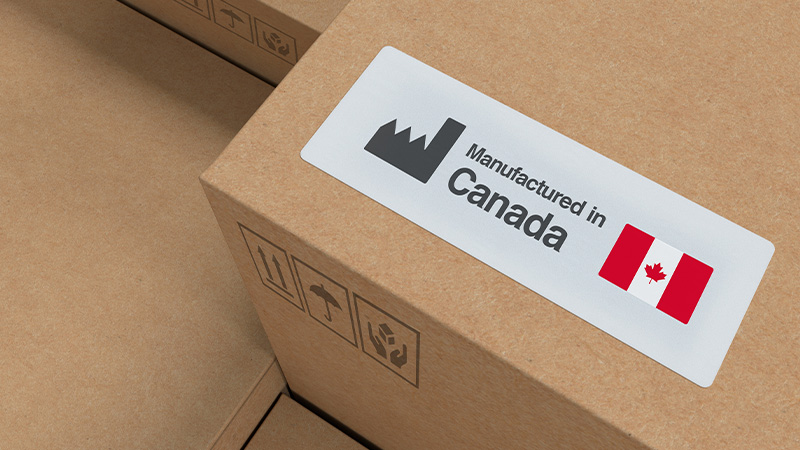
Customers increasingly want to understand where products come from and how they are produced.Providing information about sourcing, manufacturing, packaging, and shipping helps customers make informed purchasing decisions.Being transparent also helps businesses avoid accusations of "greenwashing," where companies exaggerate or misrepresent their environmental efforts.
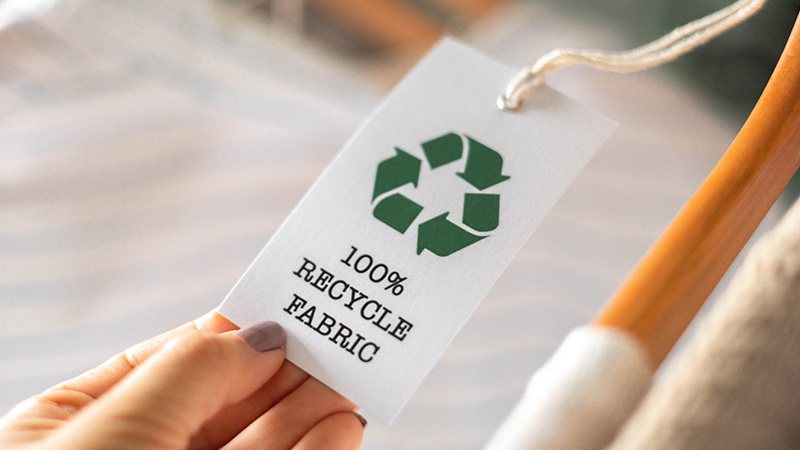
Packaging often shapes a customer's first impression.
Using recyclable, reusable, or responsibly sourced materials demonstrates environmental responsibility while helping reduce waste. Businesses can also minimize unnecessary packaging by selecting appropriately sized boxes and reducing filler materials. These small changes can lower shipping costs while improving the customer experience.

Consumers increasingly care about how their orders reach them.
Fast delivery remains important, but many customers also appreciate businesses that offer lower-emission shipping options.
Working with logistics providers that invest in sustainable logistics solutions allows businesses to reduce shipping-related carbon emissions without compromising service quality.
Here’s how your business can start building trust and loyalty with mindful shoppers.
Not every SME has the resources to launch a full sustainability program – what matters is starting where you can. Switching to recyclable packaging, reducing filler materials, or offering low-emissions shipping options are all manageable steps that signal your values to customers.
Use your website, product pages, marketing emails, and social media to share the story behind your efforts. Be honest about where you are, and what you're working towards. Be open to feedback from customers, too – listen to their suggestions to direct your sustainability focus.
Words are good – but numbers are better. If you’ve reduced packaging waste by 20%, for example, talk about it across your comms. Measurable impact helps customers understand the real-world effects of their choices, and builds credibility for your brand.
Eco-conscious consumers are more likely to stick with brands that align with their values. By making sustainable choices easy and visible, you can turn first-time buyers into long-term advocates. You could nudge them along by rewarding customers who choose eco-friendly options with loyalty points, for example.
The UAE continues to position itself as a global leader in sustainability through initiatives that encourage innovation, responsible business practices, and carbon reduction.
By improving operational efficiency, reducing waste, adopting sustainable packaging, and investing in greener logistics, SMEs can contribute to these national ambitions while strengthening their own businesses.
Every improvement—whether large or small—supports both environmental goals and future business growth.
Conscious consumerism is reshaping customer expectations across the UAE.
Businesses that embrace transparency, sustainability, and responsible operations are better positioned to attract environmentally conscious customers and build lasting relationships.
Whether you're reducing packaging waste, improving operational efficiency, or choosing greener international shipping solutions, every step contributes to a stronger, more resilient business.
DHL Express UAE supports SMEs on this journey through innovative logistics solutions, including GoGreen Plus, helping businesses reduce shipping-related carbon emissions while maintaining the speed, reliability, and global reach they expect from DHL Express.

REFERENCES
1 & 2 – CleanHub, May 2025


 Share
Share