#IndustryInsights


 Share
Share
Logistics of the Energy revolution: Mapping out the new landscape
3 min read
Share

Accelerating the Energy Revolution
The energy sector must lead the global response to climate change. That will require a dramatic shift in supply chains and logistics capabilities.

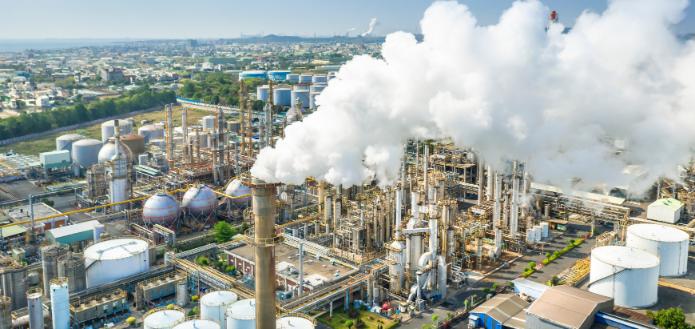
2021 was a year of weather extremes, from record high temperatures and intense tornadoes in North America to flooding in Europe. As the climate becomes warmer, such events are likely to become more common, and more severe.
According to the World Meteorological Organization, 62 of 77 extreme and deadly weather events reported between 2015 and 2017 revealed significant human influence.
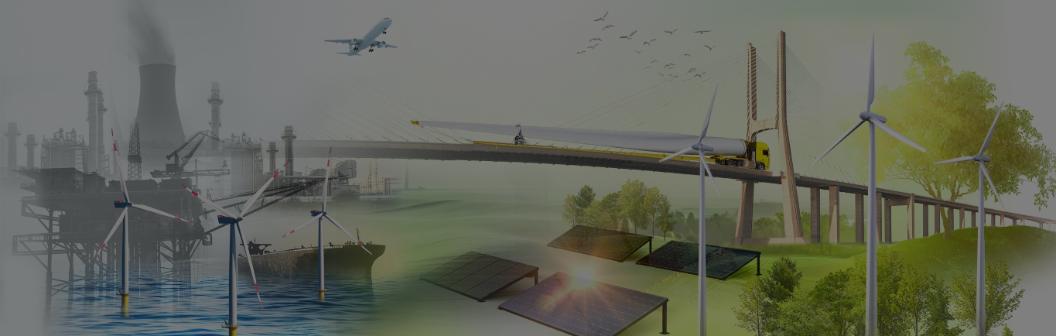
To limit anthropogenic climate change, the world needs to dramatically reduce the emission of CO2 and other greenhouse gasses.
That action will involve nothing less than a transformation in the global energy system, with a significant shift away from the combustion of fossil fuels and a dramatic increase in the deployment of low and zero-carbon energy sources such as wind and solar power.
Achieving that transformation will have an impact on both energy users and energy producers, but it will bring significant opportunities too. New technologies, new skills and new large-scale supply chains will be required to build, support, and maintain tomorrow’s energy infrastructure.
The shift to new energy sources and technologies will have far-reaching consequences for energy companies. Energy generation will tend to become more fragmented, decentralized, and remote, for example, as large power stations are replaced or supplemented by small-scale plants in rural areas, solar farms and on or offshore wind installations.
The logistics industry will be a key enabler in the energy revolution. The energy-density of renewable sources is much lower than those of fossil fuels, and their availability is often intermittent. The world will therefore need more energy infrastructure, and a greater diversity of infrastructure, to meet its energy needs from renewable sources, with a correspondingly greater requirement for logistics and supply chain capabilities.
To deliver those capabilities, the logistics sector needs to adapt to the changing requirements of its customers. Those requirements will be increasingly diverse, ranging from the installation and support to small-scale off-grid solar installations to the need to handle the giant components used in ever-larger (offshore) wind turbines.
New thinking, capabilities, and solutions are needed. That’s why it is essential that governmental bodies, companies in the energy sector, logistics providers, and other stakeholders work together to shape a more sustainable future.
If you enjoy reading this short blog, you will definitely enjoy reading the latest Logistics of the Energy Revolution White Paper. Please see below to download your copy today.
Logistics of the Energy Revolution
Logistics has an ever-growing role to play, both enabling and supporting the energy revolution.
A key feature of this will be the need of advanced logistics capabilities, competencies, skills and experience at unprecedented scale in the energy sector.
 Share
Share