The final phase of the Australia-India Economic Cooperation and Trade Agreement (ECTA) took full effect on 1st January 20261, offering unprecedented access to the world’s most populous market. This guide outlines how Australian SMEs can leverage tariff eliminations and digital customs integration to turn India into their most profitable export destination.
As of January 2026, the export landscape has fundamentally shifted. Over 90% of Australian goods now enter India completely tariff-free. For Australian businesses, there has never been a more lucrative window to tap into India’s 1.4 billion consumers, who are set to reach the high- and upper-middle-income base by 20302.
The surge in demand is being led by a young, urbanised demographic of "Digital Natives", Gen Z and Millennial shoppers who value Australian quality and science-backed efficacy. We are currently seeing a "gold rush" across specific Australian sectors:
- Clean beauty & wellness: Organic skincare, high-SPF sunscreens, and premium vitamins.
- Premium agri-products: Macadamias, cherries, avocados, and high-end Australian wine.
- Sustainable fashion: Boutique Australian labels focusing on ethical production and Merino wool.
By following this shipping guide, you can ensure your courier service to India from Australia is as efficient as a domestic delivery, capitalising on a market where e-commerce is projected to be the second-largest globally by 2034.
Navigating the digital customs landscape
To send a parcel to India from Australia, you must align your documentation with India’s highly digitised customs framework, powered by the ICEGATE portal. Precision at the point of sale prevents "held" shipments at the border.
1. Secure your duty-free status
To claim 0% tariffs under ECTA, you must provide a Certificate of Origin (CoO). You can apply for this digitally via the Australian Chamber of Commerce and Industry (ACCI) or the Ai Group. Without this document, your parcel to India will be charged at standard "Most Favoured Nation" rates, which can still be as high as 30% for some categories.
2. Mandatory KYC (Know Your Customer)
India’s customs authority requires the receiver to provide a government-issued ID (Aadhar, Passport, or PAN number) before a package can be sent to India and cleared.
Pro-tip: Integrate a field into your website’s checkout to ask Indian customers for their ID number. This allows for 24-hour clearance before the plane even lands. Ensure the shipping address matches the address on the customer's KYC document to avoid immediate rejection by Indian Customs.
3. Precise HS Code classification
Use the DHL MyGTS (Global Trade Services) tool to identify your 6-digit Harmonised System (HS) code. Correct classification ensures you benefit from ECTA-reduced duties and improves overall business efficiency. For example, "Clean Beauty" products often fall under HS 3304, while premium wellness supplements might sit under HS 2106.
Packaging for the subcontinent
When shipping to India from Australia, your packaging must withstand high transit volumes and the subcontinent's extreme fluctuations in humidity. Protecting the integrity of your product is vital for reducing returns and maintaining brand trust.
Humidity and moisture protection
India's climate can be brutal on packaging. Moisture damage is a leading cause of cargo loss during international shipping to India. To prevent this:
- Use vacuum-sealed or foil-lined bags for electronics and textiles to prevent mildew.
- Include silica gel packets to absorb excess moisture. High-quality desiccants prevent "container rain" inside your parcels.
- Standard boxes often soften in high humidity. Use double-walled cardboard to maintain structural strength.
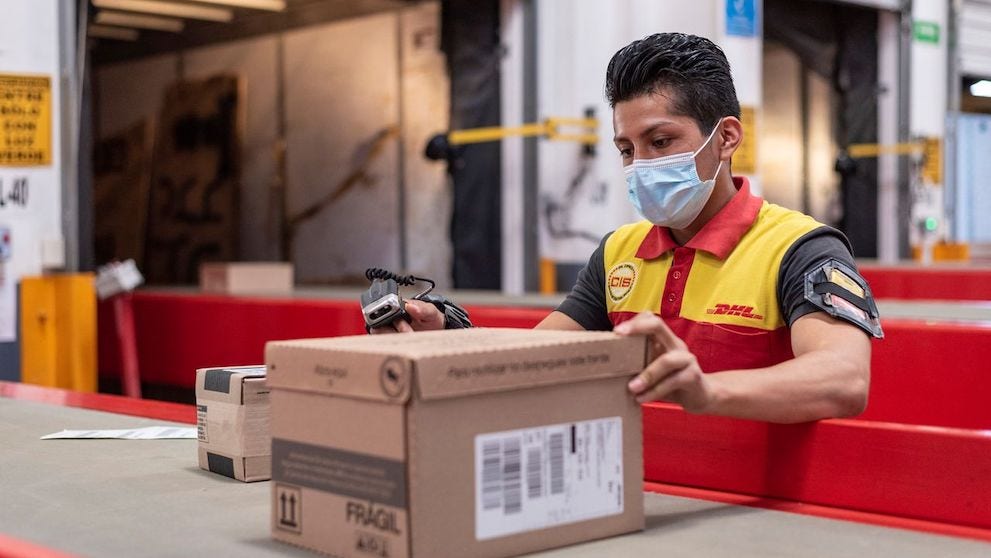
- Apply tape across all seams and corners of the box to create a tamper-evident, rigid seal.
- Avoid shipping air. Use boxes that fit your product closely to reduce costs and minimise movement inside the package.

Why DHL: The strategic advantage for the India corridor
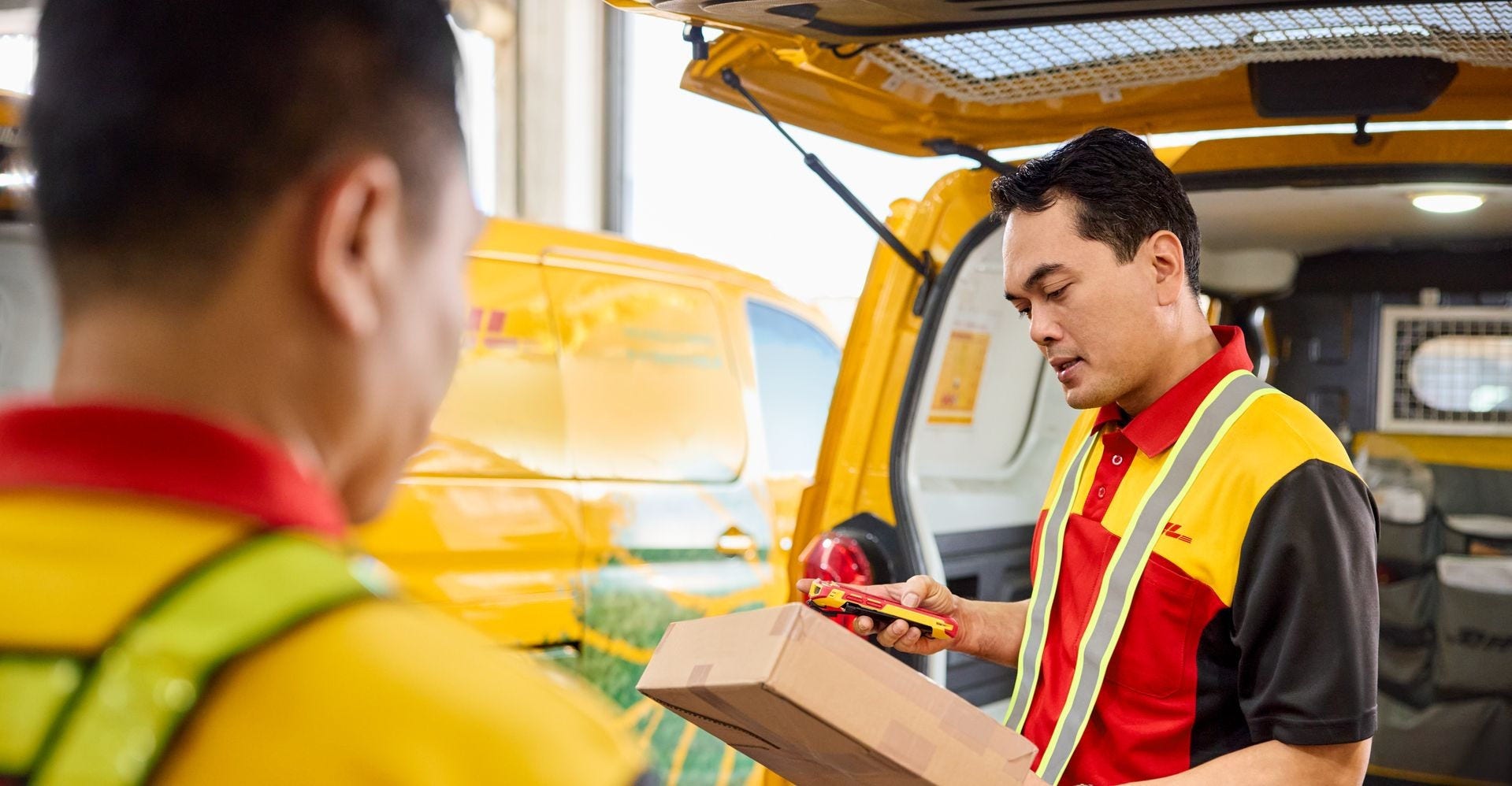
Choosing the right courier service to India is about more than just a label; it is about infrastructure. DHL Express provides a dedicated "India Corridor" designed for speed and transparency.
- The KYC specialist: Our digital KYC portal proactively reaches out to your customers via SMS or email to upload their IDs before the plane lands. This enables 24-hour clearance for most international e-commerce shipments.
- Direct network reliability: While other providers rely on third-party handoffs, DHL uses its own global air fleet to send your parcel to India directly, bypassing maritime congestion at major Indian ports.
- Landed cost transparency: Our tools let you show Indian customers the final price, including ECTA-reduced duties and GST, at checkout. This prevents "sticker shock" at the door, which is a major cause of refused deliveries.
- Eco-focused shipping: Through DHL GoGreen Plus, you can use Sustainable Aviation Fuel (SAF) to reduce the carbon footprint of your exports. This aligns with the values of the modern Indian consumer, who increasingly rewards brands with transparent ethical sourcing.
Your gateway to the world's fastest-growing economy
The verdict for 2026 is clear: the barriers to exporting overseas have effectively vanished for those prepared. With ECTA providing a duty-free pathway and DHL providing the digital tools for seamless clearance, Australian businesses are better positioned than ever to scale. Success in the Indian market is no longer about overcoming distance; it is about choosing the right logistics partner to navigate the "final mile" in a digital-first economy.
Open a business account with DHL Express today and start your journey into the world's most dynamic economy.
Disclaimer: Any regulatory information contained herein is for informational purposes only and DHL assumes no responsibility for the accuracy of the information. DHL does not provide specific regulatory or legal advice to the public and you are encouraged to seek your own legal or compliance counsel.


 Share
Share
Similar Stories