
1 – World Finance

Shipping internationally can feel like a maze for SMEs – especially with import tax, import duty, and customs fees to manage. One wrong step, and costs soar or shipments get delayed at borders.
This guide makes it simple. We’ll show you how to navigate customs with ease, manage duties and taxes, and keep your shipments moving – so you can focus on growing your business across borders.
Import duty (or customs duty) is a tax collected by customs authorities on all goods sold across borders. Import duty primarily aims to generate income for local governments, while also increasing the final price of foreign goods to encourage domestic consumption. Some common examples of this include trade tariffs and excise duties.
Import tax, on the other hand, is a broader term, serving as an umbrella for all charges applied to imports, which includes custom duty, sales tax and Value Added Tax (VAT). Understanding this system of taxation is key, as this consumption tax applies even when goods are purchased abroad while entering a different country.
Even though they’re often used interchangeably, import duties, tariffs and import taxes each have distinct meanings that impact international shipping. Understanding these differences is essential for businesses navigating global trade:
Import duties are taxes collected by customs authorities on goods as they cross international borders. Its primary purpose is to generate government revenue and to protect local industries from foreign competition. These duties are usually levied on goods entering a country, with the importer often responsible for payment. Some of the most common examples include anti-dumping taxes and excise duties.
Tariffs are a specific form of import duty imposed on certain types of imported goods. They are primarily used to regulate international trade flows, often with the goal of protecting domestic industries from international competition. Generally calculated as a percentage of the goods’ value, tariffs can significantly influence the cost of import tax, ultimately affecting your pricing strategy and the total landed cost of your products.
Import taxes are government fees applied to purchased goods entering a country. This consumption tax, which also includes sales tax, Value Added Tax (VAT) or Goods and Services Tax (GST), applies even if the goods were bought overseas, and can vary significantly by country and product. While import duties are a specific type of tax on cross-border goods, import taxes are broader charges on almost all purchases, with both contributing to total import costs.
Here’s a quick overview of some of the most common duties and taxes your business might encounter when shipping internationally:
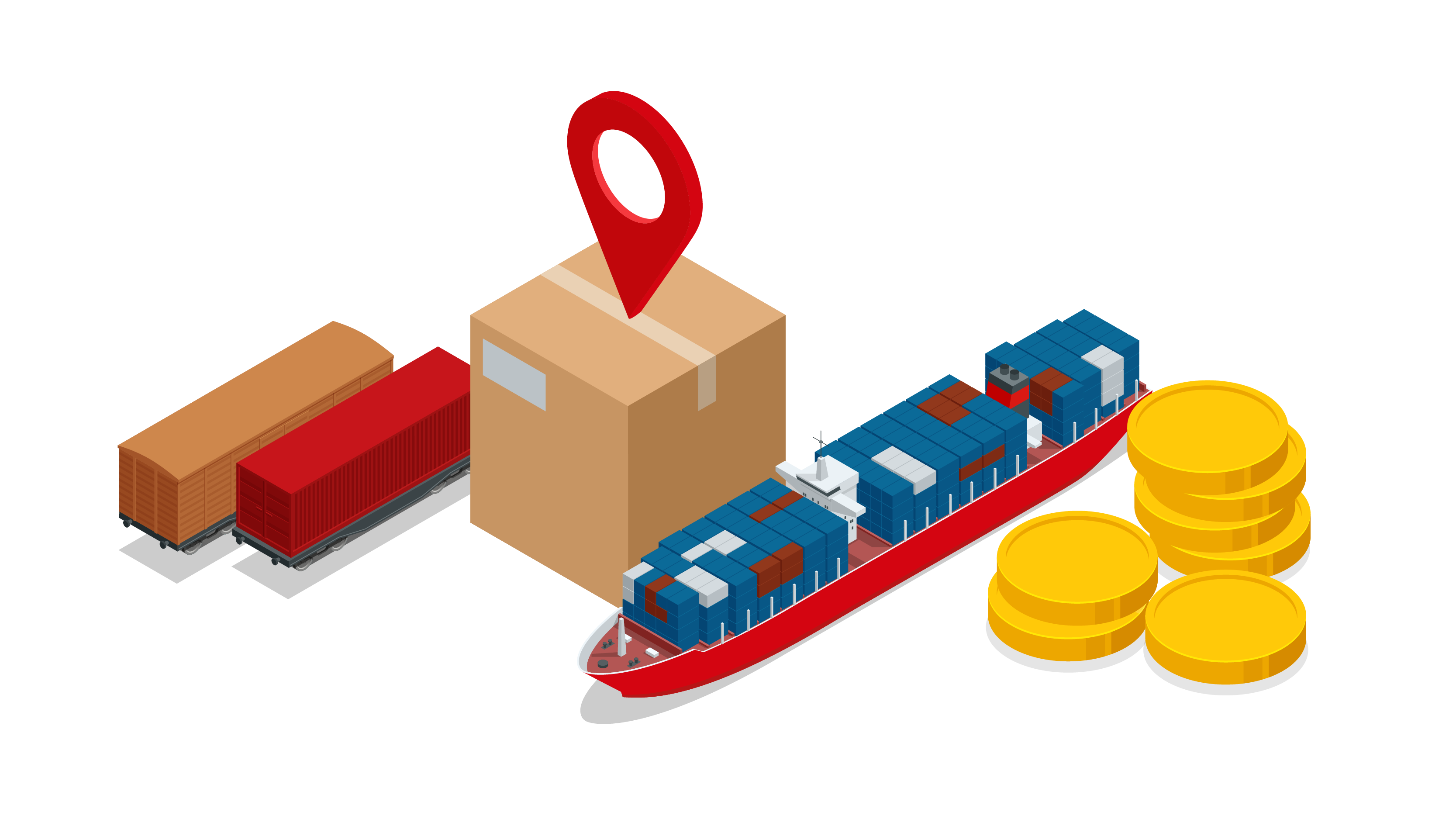
The standard tax charged on imported goods, usually based on the item’s classification, value, and country of origin.
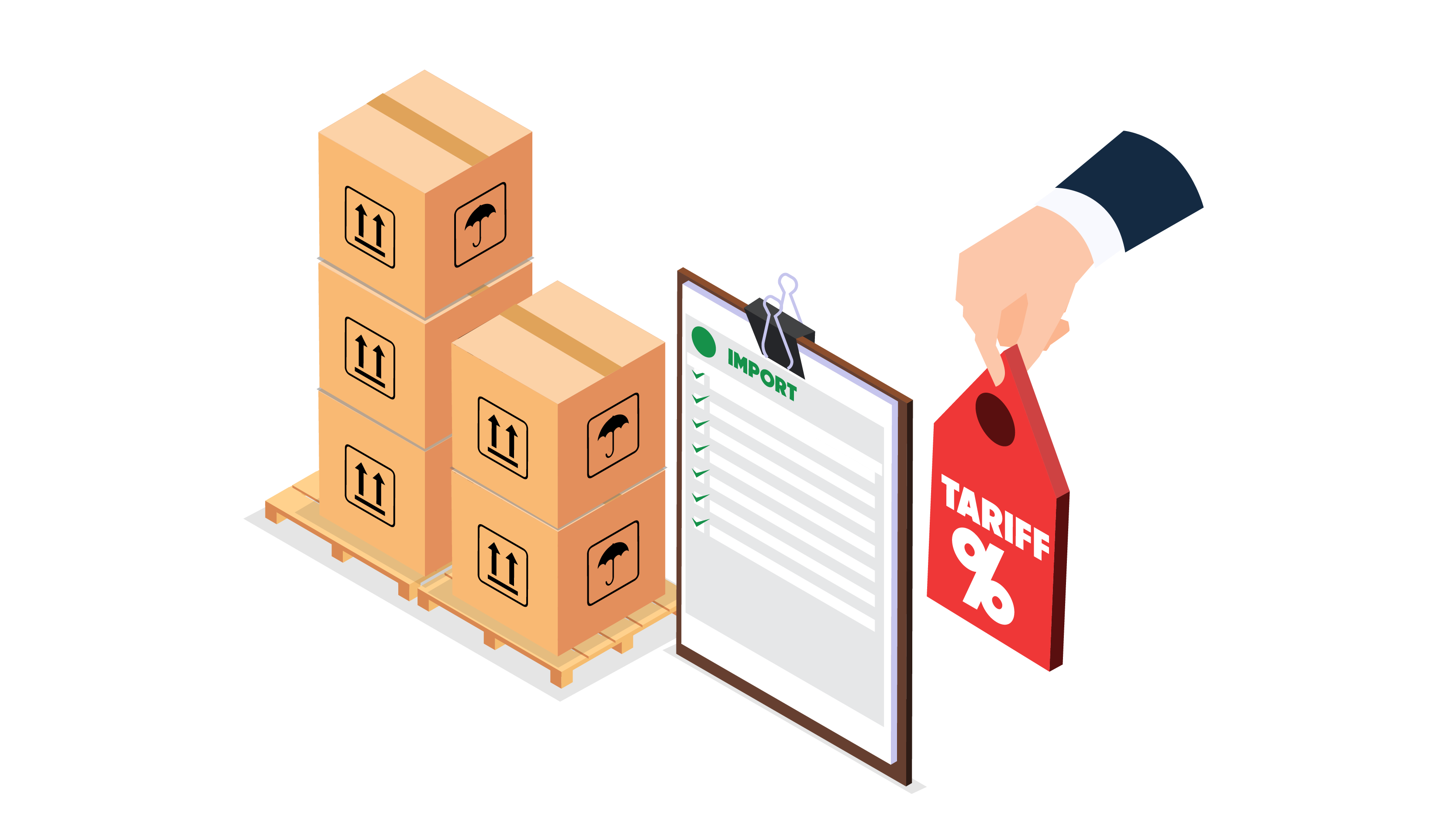
A specific kind of customs duty applied to certain products, often used to protect local industries or balance trade between countries.

A tax on specific goods such as alcohol, tobacco, or fuel – often applied on top of import duties.
A consumption tax added to most goods and services, including imports, in many regions around the world.

An extra charge on imported goods sold at unfairly low prices, designed to protect domestic producers.
For both businesses and individual shippers, correctly understanding these charges is vital for smooth international trade, as underestimating them carries risks beyond simple fees. For example, import duties and import taxes will impact the total cost of your shipment, making early awareness important so that you can factor them into your pricing strategy to ensure business profitability.
Additionally, failing to manage these duties and taxes properly could cause your shipment to be held up at customs or can earn you hefty fines, further resulting in disrupted supply chains and unexpected storage fees. It can also end up surprising your customers with unforeseen charges upon delivery, potentially harming your business’ reputation.
The total cost of your import tax is determined by several key factors, such as:
Goods value: This includes the item's price, freight costs and insurance fees. Customs authorities use this total value to assess the applicable custom duty and taxes.
Goods description: A clear and accurate description on the commercial invoice is crucial. It helps customs quickly understand the product's nature, end-use and country of manufacture.
Country of origin and destination: The origin of your goods and their final destination significantly impact the rates, as international trade agreements between countries can influence the amount of duties and taxes.
Many countries also have a minimum order value – called a de minimis threshold – below which goods can enter without additional taxes or duties. If your shipment exceeds this threshold, the extra charges kick in.
Good news: you don’t have to guess these amounts. With DHL’s MyGTS tool, you can easily calculate import taxes and duties for your shipment before it leaves, helping you plan pricing, avoid surprises, and keep your customers happy.
The de minimis threshold, which is the minimum value below which goods can enter a country without additional duties or taxes, varies significantly worldwide, impacting both overall cost and shipping convenience.
Highest de minimis thresholds
Lowest de minimis thresholds
Some markets charge significantly higher average tariff rates, which can add a meaningful cost and complexity for e‑commerce sellers. The Bahamas, for example, has an average tax rate of 18.56% on imported items1.
If you’re shipping into such markets, expect higher landed‑cost add‑ons for duties – they’ll impact pricing, margin, and customer experience.
On the flip side, some countries maintain very low average tariffs, making them more accessible from a cross‑border shipping cost perspective. For instance, Switzerland and Japan both report tariff averages below 2–3%2.
That means fewer duties to factor in, which gives you a bit more flexibility on pricing and logistics for your customers.
So, who is responsible for paying the import taxes and duties on a cross-border shipment? Here’s where it can get a little complex, so let’s break down the different parties and their responsibilities:
The carrier is the service provider that transports the shipment cross-border, such as DHL Express. In international trade, the carrier acts as a customs broker, managing border documentation for clients so that their goods clear customs without any problems. Additionally, the carrier is also responsible for collecting all associated import taxes and duties.
In the case of cross-border B2C e-commerce transactions, the seller sending the goods out of the country is the exporter, whilst the customer buying the goods is considered the importer. The party responsible for paying the taxes and duties passed on by the carrier is determined by an internationally recognised set of rules called ‘Incoterms’.
Incoterms are usually agreed between the exporter and the carrier. The two most common ones are:
However, it goes without saying that the latter is not so popular with customers. While it may seem like the cheaper option for your business, can you afford to damage your customer’s experiences this way? Remember, disgruntled customers won’t return.
The party responsible for import compliance, paperwork, and paying duties is called the Importer of Record. In DDP shipments, that’s you; in DDU, it’s the customer.
Tip: Incorrect Incoterms are a common cause of shipping delays. Partnering with an expert like DHL Express ensures your shipments are smooth, compliant, and stress-free.
For fast, international shipping, open a DHL Express Business Account.
1 – World Finance


 Share
Share