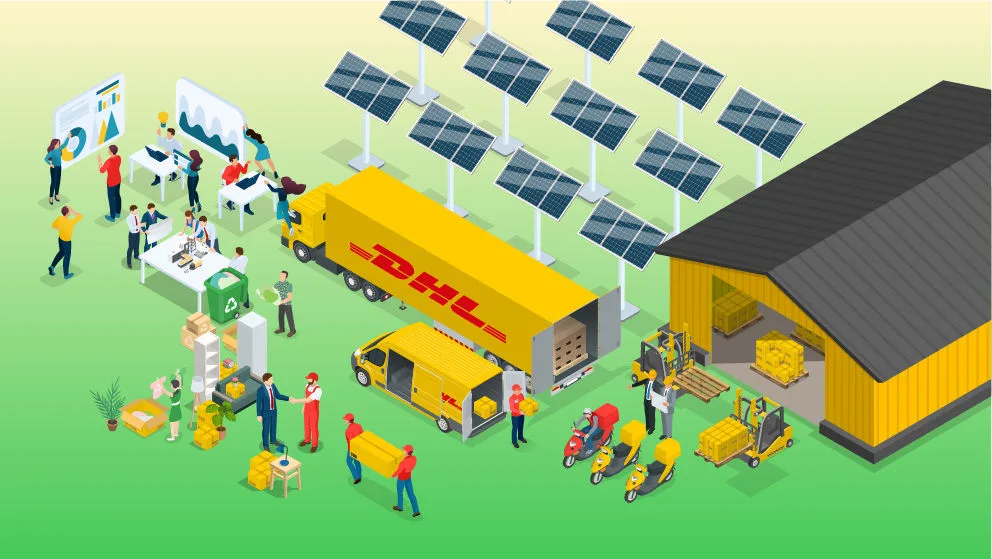

Logistics is no longer just about moving goods from A to B. For Swiss businesses, the way you ship has become a competitive lever in its own right. Customer expectations on delivery speed, sustainability promises, transparent tracking, and seamless customs handling have all moved up the priority list. This page collects the most relevant trends in logistics that affect Swiss companies today, with a focus on what they mean for SMEs that ship across borders.
Customer expectations are pulling logistics upmarket
What was a premium service five years ago is now the baseline. Real-time tracking, predictive delivery windows, proactive customer notifications: these capabilities have moved from differentiator to expectation. For Swiss B2B and B2C senders, the practical implication is that the shipping experience is now part of the product experience. A late or opaque delivery damages the brand more than a small price increase ever would.
Sustainability is moving from claim to compliance
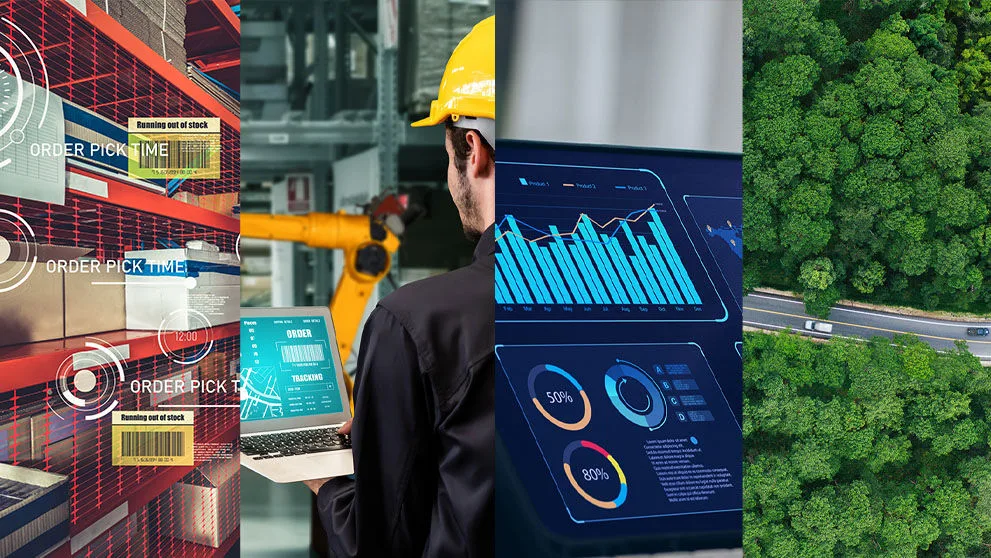
Reporting requirements around scope 3 emissions, EU CBAM (Carbon Border Adjustment Mechanism), and customer-side sustainability scorecards are turning logistics emissions from a marketing topic into a documentation topic. Swiss exporters increasingly need to provide carbon data per shipment, not per year. Logistics partners with GoGreen Plus and similar offerings are starting to differentiate on the data quality they can deliver per consignment.
Data and AI are reshaping last-mile economics
Route optimization, demand prediction, and dynamic capacity management are turning last-mile delivery from the most expensive segment of the chain into one of the most data-driven. The practical benefit for Swiss senders is more reliable delivery windows, fewer failed first-attempt deliveries, and better cost predictability. The shift is operational, but the impact reaches every customer-facing promise you make.
Cross-border complexity is increasing, not decreasing
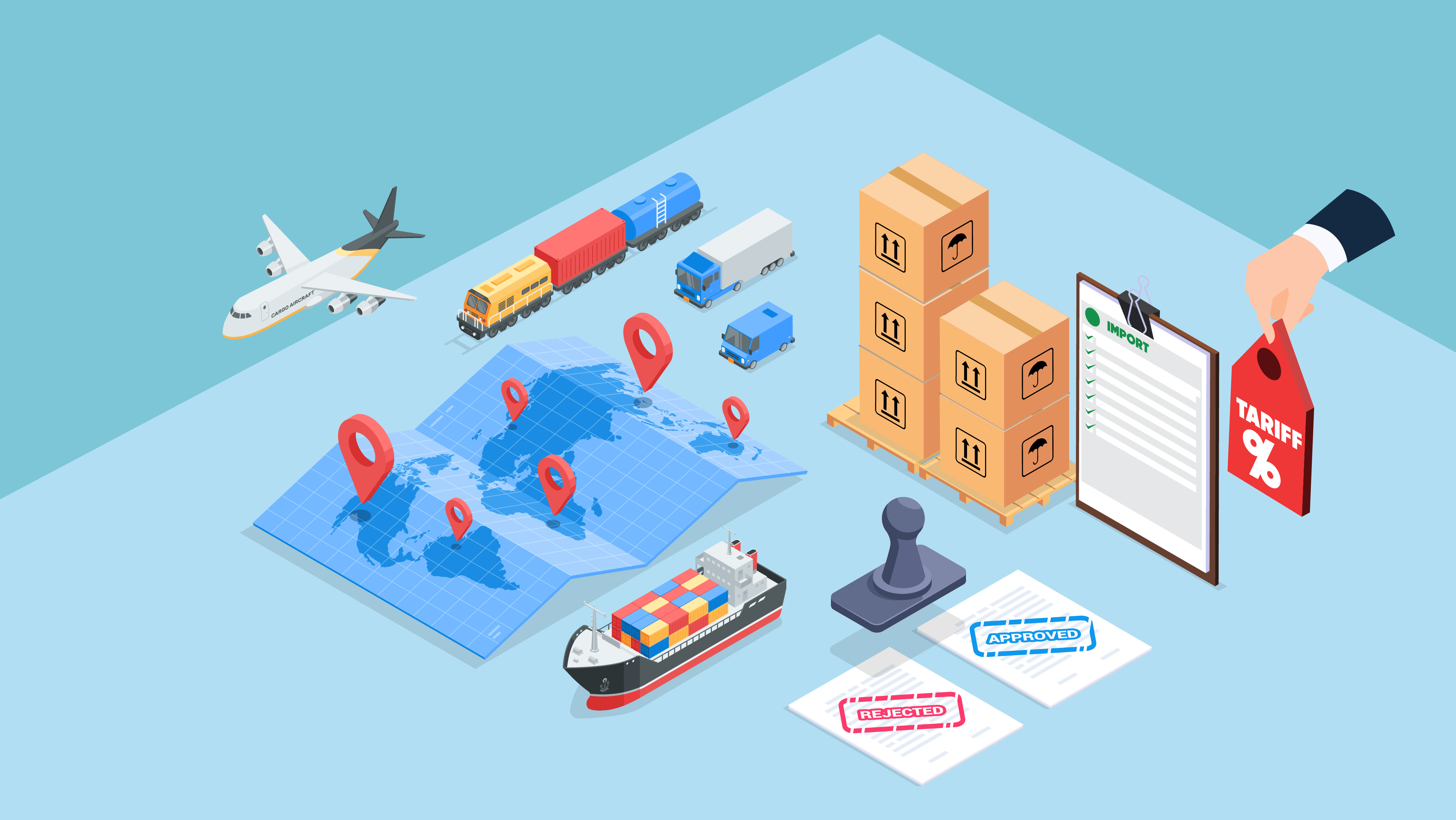
For Swiss exporters, the customs equation has become more, not less, complex over the past years. New EU regulations on product safety, sustainability declarations, and digital reporting interact with the existing Swiss-EU customs setup in non-trivial ways. Companies that treat customs as a back-office topic are increasingly hitting friction. Companies that integrate customs into the front office, with EORI registration, hinterlegte HS codes, and an experienced customs partner, ship faster and with fewer surprises.
Network resilience is back on the agenda
Global supply chains have learned hard lessons from the past five years: pandemics, port congestion, geopolitical disruptions, and weather events have all moved network resilience back onto the C-level agenda. For Swiss SMEs, the practical takeaway is to avoid single-supplier, single-route dependencies for critical inputs and to work with logistics partners whose networks have redundancy built in.
How DHL Express supports Swiss businesses through these shifts
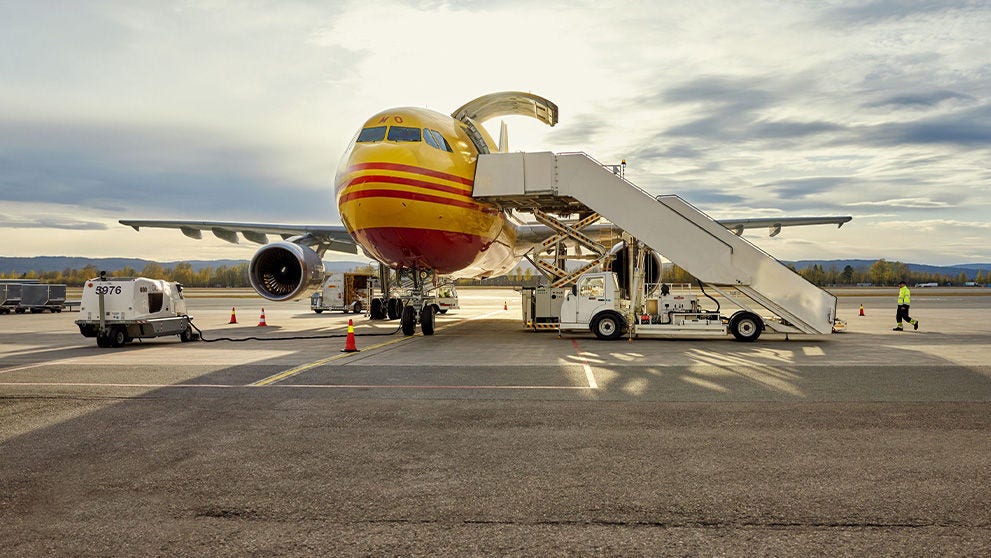
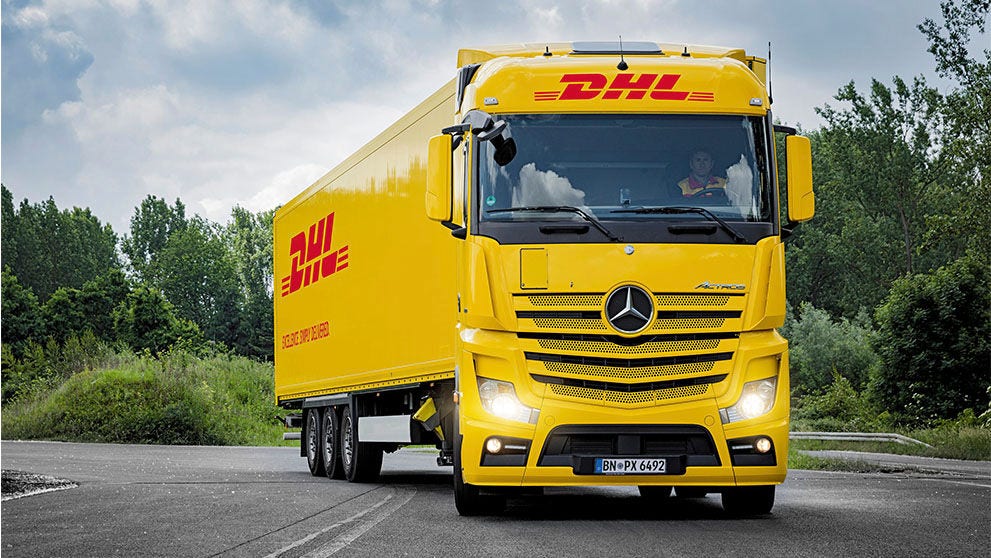
DHL Express in Switzerland combines a global Express network with local Swiss customs expertise. For SMEs and growing exporters, the package includes integrated customs clearance, end-to-end tracking, GoGreen Plus emissions reporting per shipment, and a dedicated Account Manager who understands the Swiss-EU shipping landscape. The result is a logistics partnership that scales with your business and adapts as the surrounding trends keep moving.
 Share
Share
Similar Stories