#SmallBusinessAdvice


 Share
Share
Deep Dive into Bonded Warehouses: Operations, Benefits, and Export Applications
5 Mins Read
Share

This article provides a detailed exploration of the critical role of the bonded warehouse in international logistics. In cross-border trade, businesses often face the dual challenges of cash flow pressure and tariff costs. A bonded warehouse offers a flexible solution that combines duty deferment, processing capabilities, and transshipment efficiency.
What is a Custom Bonded Warehouse?
Definition and Core Concepts
A custom bonded warehouse is a specific facility or secured area approved by customs authorities for storing goods for which import duties and taxes have not yet been paid. The goods stored within these facilities are referred to as "Bonded Goods." These are import materials approved by customs for deferred tax payment, including products temporarily imported for subsequent re-export. Legally, these goods are treated as if they are still "outside the border" regarding tax status; therefore, even though they have physically entered the local territory, no import duties, Value Added Tax (VAT), or consumption taxes are immediately due.
Based on their usage and structure, bonded warehouses generally fall into two main types:
Public Bonded Warehouse: Operated by third-party logistics enterprises, these facilities offer storage space that can be rented by multiple customers simultaneously.
Private Bonded Warehouse: Established by an enterprise specifically for storing its own goods.
Additionally, for specific industries, there is the wet bonded warehouse. This is a specialized facility specifically authorized for the storage of alcohol, tobacco, and other liquids where excise duties are exceptionally high. Whether using a public, private, or specialized wet bonded warehouse, businesses can flexibly choose the model that best suits their operational scale and needs.
Bonded Warehouse Process and Operational Mechanism Explained
Entry, Storage, and Exit Procedures
In practical operation, the bonded warehouse process can be divided into three distinct stages: entry, storage, and exit.
Entry Declaration: When goods arrive at the port, if a company wishes to transfer them to a bonded warehouse, they must complete the "entry declaration" procedure. This involves submitting the bill of lading, packing list, and import declaration forms. Customs must review and approve these documents before the goods can move to the facility. For details on necessary documentation, refer to our International Shipping Guide [Paperwork].
Managing Bonded Inventory & Processing: Once the goods enter the facility, they become bonded inventory. The function of a bonded warehouse is not limited to simple storage; it often functions as a bonded factory. Within this zone, companies can perform various processing operations on the goods, such as sorting, repacking, labeling, or even assembling finished products from raw materials. If these processed goods are subsequently re-exported, they remain exempt from duties and VAT.
Exit Modes: There are generally three modes for removing goods:
Import for Domestic Sale: Goods are transferred from the bonded warehouse into the local market. At this point, import declarations must be filed, and relevant taxes paid.
Bonded Warehouse Export (Re-export): Goods are transferred directly to a third country. No local taxes are paid, effectively supporting entrepôt trade operations.
Transfer: Goods are moved from one bonded zone to another, maintaining their tax-suspended status without interruption.
Key Advantages of Using a Bonded Warehouse
Optimizing Cash Flow and Supply Chain Resilience
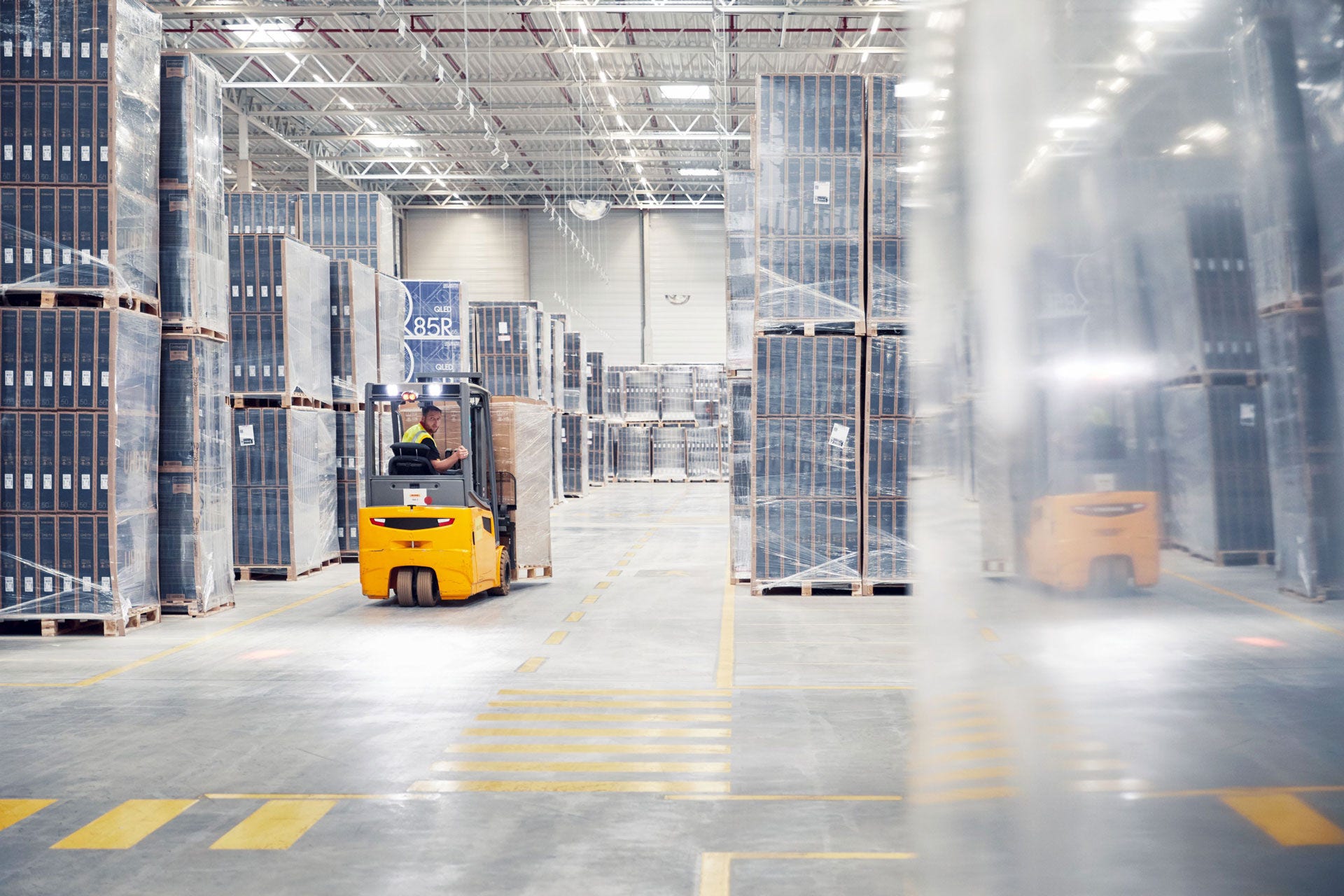
Duty Deferment is the most significant financial advantage of using a bonded warehouse. Typically, imported goods require immediate tax payment upon entry. However, by managing bonded inventory, companies can delay tax payments until the goods are formally sold or enter the local market. This significantly improves cash flow, particularly for high-value items or large-volume shipments, allowing capital to remain available for other business operations for a longer period.
Furthermore, the bonded warehouse export function facilitates entrepôt trade. Goods can be imported in bulk to a central bonded hub and then distributed to surrounding countries based on specific orders. This eliminates repetitive customs procedures across multiple countries and avoids double taxation, reducing administrative costs.
Other benefits include:
Enhanced Cargo Security: Since a bonded warehouse operates under strict Customs Supervision, every item's entry and exit are rigorously recorded. This results in a lower risk of damage, loss, or theft compared to general storage.
Flexibility for Policy Changes: If businesses encounter sudden policy changes, such as issues with trade quotas or licensing, goods can be temporarily stored in the bonded zone while waiting for the trade environment to stabilize.
DHL provides a range of value-added services related to customs and taxes. Learn more about our Optional services, Surcharges and Customs services to help handle various import and export matters.
Applicable Scenarios and Industries
Best Suited for Bonded Warehouses?
Among various sectors, Cross-border E-commerce (B2B2C) is one of the most frequent users of bonded warehouses. Merchants can adopt a "bulk in, parcel out" strategy, storing popular items as bonded inventory in advance. When a customer places an order, the item is shipped directly from the warehouse, drastically shortening delivery times. Importantly, duties are only paid on the actual items sold, reducing unnecessary costs. For more insights, read How companies can ride the cross-border e-commerce wave.
Another key sector involves high-duty or excise tax products, such as alcohol, luxury goods, or automobiles. Here, the wet bonded warehouse is essential. It allows businesses to store liquids (like wine or spirits) for aging or until market demand peaks without paying high excise duties upfront. For specific advice on liquids, see What to Know About Shipping Liquids Internationally.
For traders requiring assembly, the bonded warehouse serves as an ideal workspace for kitting, labeling, or adjusting packaging to meet destination requirements (such as compliance for liquid transport). Many global repair centers also utilize bonded warehouses to import parts, complete repairs, and re-export the finished items tax-free.
Bonded Warehouse vs. General Warehouse: How to Choose?
Critical Differences
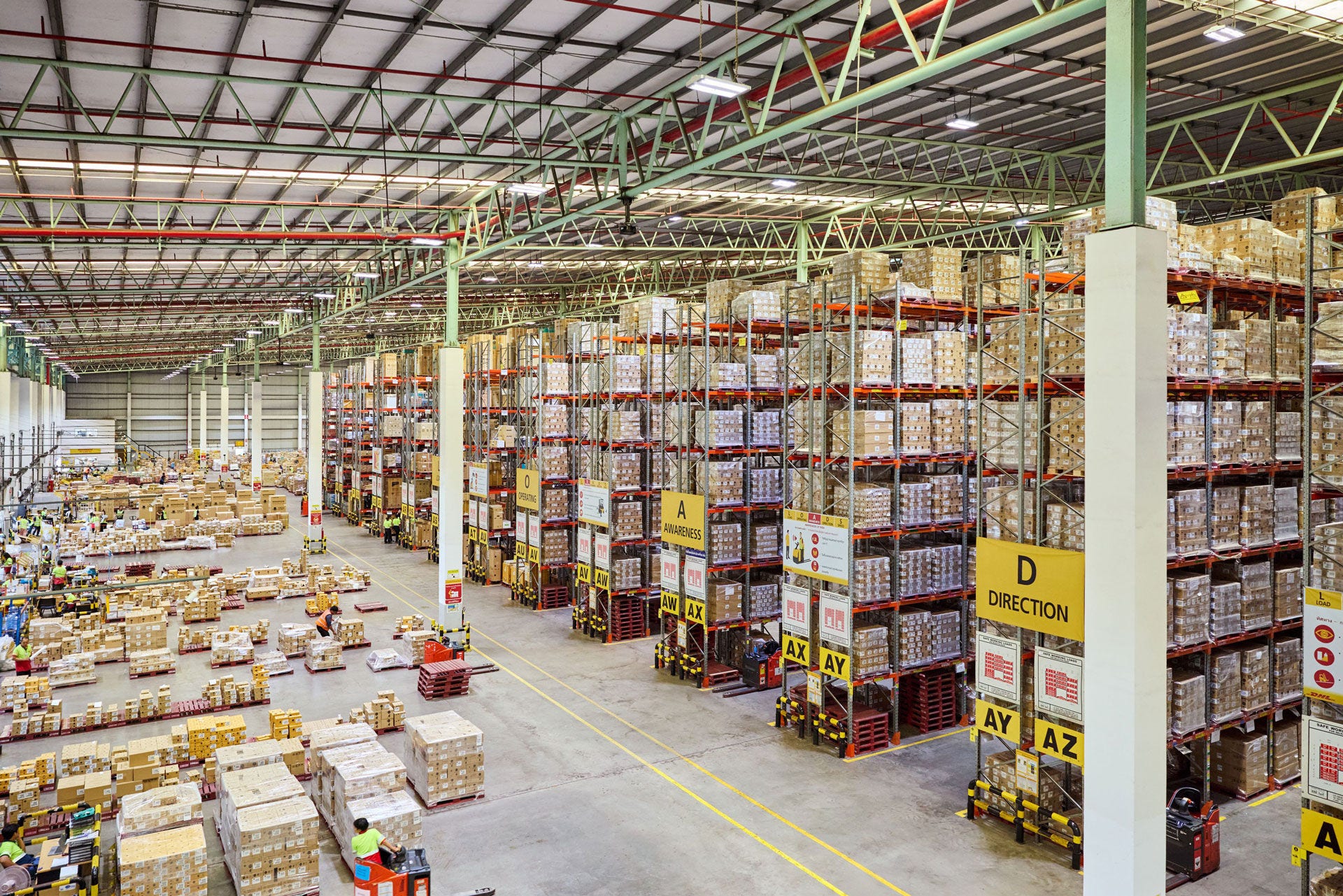
The most critical difference between a bonded warehouse and a general warehouse lies in their tax status. Goods in a general warehouse are considered fully imported, meaning all duties and taxes must be paid immediately upon entry. In contrast, a bonded warehouse allows for duty deferment or exemption.
However, because a custom bonded warehouse is under strict customs supervision, the administrative procedures are more complex and time-consuming. Paperwork must be precise. A general warehouse involves simpler procedures.
Businesses must also be aware of storage time limits. In some countries, regulations dictate that goods can only be stored in a bonded facility for a fixed period (e.g., 1 to 2 years). Upon expiration, companies must choose to re-export, pay taxes for domestic sale, or destroy the goods.
Regarding cost, rent and management fees for a bonded warehouse are generally higher than for a general warehouse. Companies need to weigh whether the savings from duty deferment and re-export advantages offset the extra storage expenses. To understand broader logistics strategies, refer to 4 Supply Chain Trends That Are Shaping the Future.
Conclusion: Leveraging Bonded Warehouse Strategies for Competitiveness
The bonded warehouse is a powerful logistics tool in international trade. Businesses should evaluate their capital status, target markets, and product characteristics to determine if this model is suitable. Through compliant and efficient bonded warehouse processes, companies can not only save on tariff costs but also maintain supply chain stability amidst market fluctuations, maximizing overall efficiency.
-/Disc_Mexico2014_3334_loading%20plane_small.jpeg)
Open a DHL Business Account to Flexibly Plan Cross-Border Logistics
Whether handling complex customs procedures or planning multi-country supply chains, DHL helps you easily navigate cross-border logistics challenges and seize global business opportunities.
📦Open a DHL Express Account to Enjoy Special Discount Today!
Share