
Businesses and consumers increasingly purchase automotive parts from international suppliers. While most shipments continue to move through customs without issues, certain steel-containing products may now require proof that the iron or steel used in their manufacture is not of Russian origin. Here's what importers need to know.
Why has the EU introduced this requirement?
As part of its sanctions framework, the European Union restricts the import of certain products containing Russian-origin iron and steel.
The objective is to prevent Russian steel products from entering the EU market, either directly or through further processing in third countries.
However, this does not mean that every metal product is automatically affected.
Which automotive products may be impacted?
The key factor is not whether a product contains steel, but how it is classified for customs purposes.
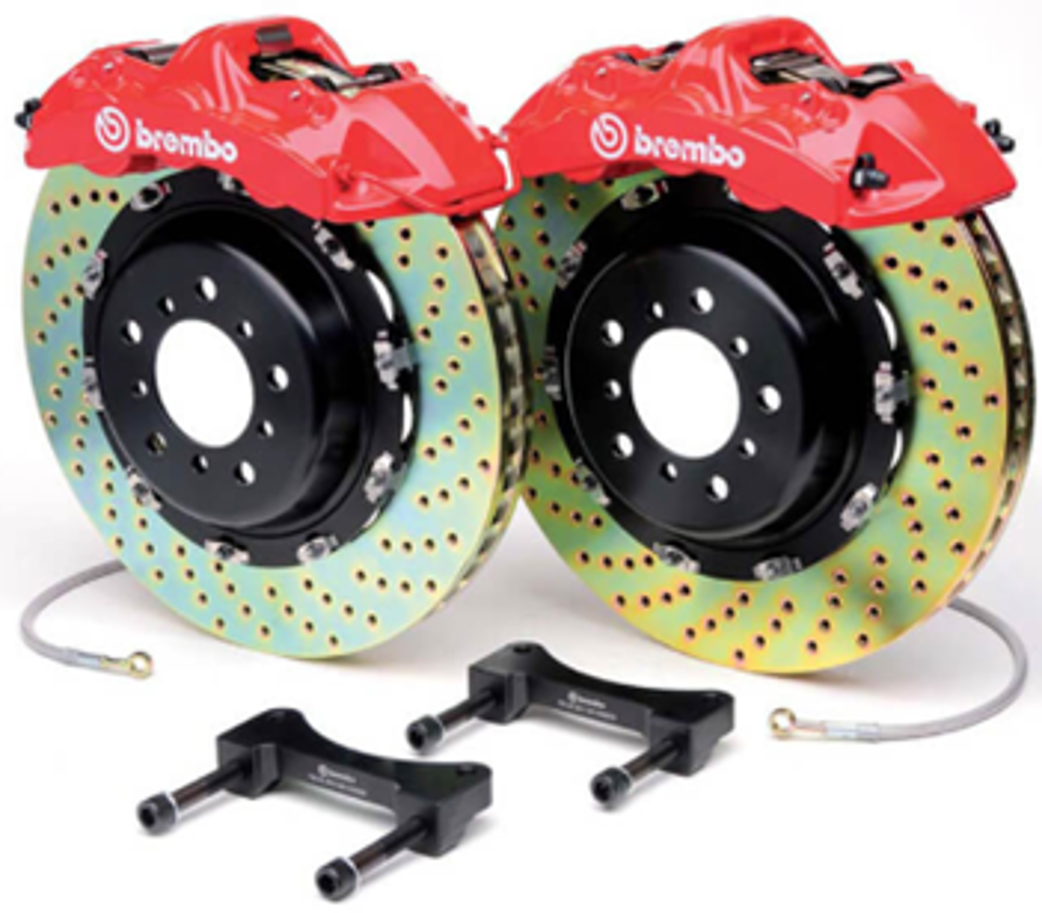
For example, brake components may contain significant amounts of steel but are often classified under different customs tariff codes and may therefore fall outside the restricted categories.
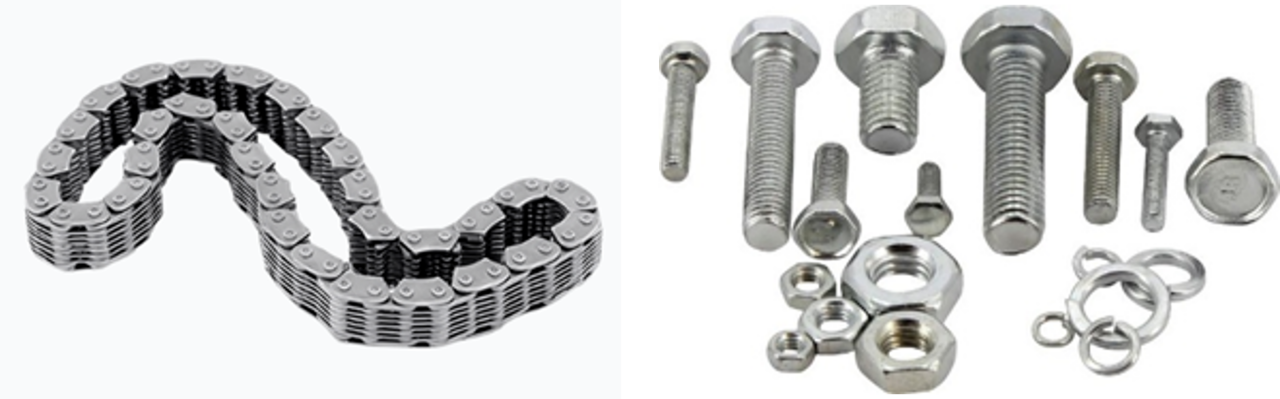
Products more likely to attract customs scrutiny include:
- timing chains,
- bolts,
- nuts,
- washers,
- other steel fastening components.
Although these items are frequently sold as automotive parts, they may be classified under customs categories specifically covered by the regulations.
What documentation may be required?
- In most cases, importers do not need complicated certificates or additional paperwork.
- Customs authorities can accept various forms of evidence demonstrating that the iron or steel used in the product is not of Russian origin.
- A commercial invoice may be sufficient if it includes:
- the tariff code of the finished product,
- the tariff code of the steel or iron input material,
- the country of origin of the material,
- a clear product description,
- shipment identification details.
- These details help customs authorities verify compliance with EU regulations.
Are there any exemptions?
Yes.
For products shipped from certain countries, the EU does not require this additional proof of origin.
These countries include:
- Switzerland
- Norway
- United Kingdom
- Liechtenstein
Imports originating from these countries generally benefit from simplified treatment regarding this requirement.
What does this mean for online shoppers?
If you order steel-containing items such as bolts, chains or other metal components from overseas suppliers, the required information is often already included on the commercial invoice or accompanying shipping documents.
As a result, customs clearance is usually completed smoothly without additional action from the buyer.
Key Takeaway
The new EU requirement is designed to ensure that certain imported products do not contain iron or steel of Russian origin. The rules apply only to specific product categories, and in most cases exporters already provide the information required for customs clearance. Consequently, international orders of automotive parts and components can continue to be shipped and imported with minimal disruption.


 Share
Share

Similar Stories