#SmallBusinessAdvice


 Share
Share
Importing padel equipment into Indonesia: What businesses need to know
5 Mins Read
Share

Padel, a fast-paced racquet sport blending elements of tennis and squash, is capturing the attention of players worldwide. At the beginning of 2024, the sport reached a milestone of 60,000 courts globally, a remarkable 240% growth over just three years1. This rapid expansion underscores the surging global popularity of padel and points to significant opportunities for emerging markets like Indonesia, where urban sports clubs, gyms, and leisure facilities are increasingly adding padel courts to meet growing local demand.
For entrepreneurs, this growing enthusiasm represents a compelling business opportunity. Importing padel equipment, like rackets, balls, nets, court flooring, and glass walls, can satisfy the rising demand in Indonesia's sports and leisure sectors.
This blog explores everything businesses need to know about how to import padel equipment, including sourcing, regulations, challenges, and logistics considerations, giving you the tools to expand your sports retail or facility offerings confidently.
Understanding the demand for padel in Indonesia
Padel is rapidly gaining traction among Indonesians, particularly in urban centers such as Jakarta2. Sports clubs and gyms are increasingly incorporating padel courts into their facilities to attract a younger, fitness-conscious demographic.
This surge in interest translates into a strong market for equipment distributors and retailers. As more venues install padel courts, the need for high-quality rackets, balls, nets, and accessories grows in parallel, offering lucrative opportunities for businesses willing to meet the demand.
What businesses should know about sourcing padel equipment
Where to source padel equipment
When considering where to source padel balls and equipment, two of the most prominent exporting countries are Spain and China3. Spain, the birthplace of modern padel, is especially known for offering premium rackets, balls, and court materials that meet professional standards.
Businesses must decide whether to work directly with manufacturers, which can offer better pricing and customization options, or to purchase through global distributors for faster access and consolidated international shipping services. Both approaches require careful evaluation of padel equipment quality, compliance with Indonesian market standards, and shipping logistics.
Import regulations for padel equipment in Indonesia
Customs requirements
Importing padel equipment into Indonesia requires several key documents for customs clearance:
- Commercial Invoice
- Packing List
- Air Waybill
- Import License (API)
Padel equipment, like rackets and balls, is generally classified under the HS Code for sports goods, but large court materials like flooring and glass panels may require additional permits. Understanding these requirements in advance ensures smoother processing and avoids costly delays when going to market.
Taxes and duties
Importers must account for both import duties and VAT when bringing padel equipment into Indonesia. Duties and taxes are calculated based on the declared value of the shipment, so accurate documentation is essential for smooth customs clearance.
Compliance with local standards
Imported sports goods must comply with Indonesian labeling and safety regulations. Large court installations, in particular, may require certification to meet structural and safety standards. Working with certified suppliers ensures compliance and reduces the risk of delays at customs or complications with local authorities.
Common challenges when importing padel equipment
Businesses face several hurdles when importing padel equipment:
- Size and weight: Court installations can involve heavy flooring and large glass panels that are difficult to ship.
- Customs delays: Incomplete or incorrect paperwork can slow down clearance.
- Shipping costs: Inefficient logistics increase costs, particularly for bulky or oversized items.
- Fragile equipment: Tempered glass panels and precision rackets can be damaged during transit if not packaged properly.
Best practices for businesses importing padel equipment
To minimize risks and optimize operations, consider the following best practices:
- Plan imports ahead of the sports season to ensure timely availability.
- Consolidate shipments to reduce freight and import tax costs.
- Work with certified suppliers to avoid compliance issues and ensure quality products.
- Invest in proper packaging and shipping strategies for fragile or heavy equipment.
How DHL Express helps importers of padel equipment
Customs clearance support
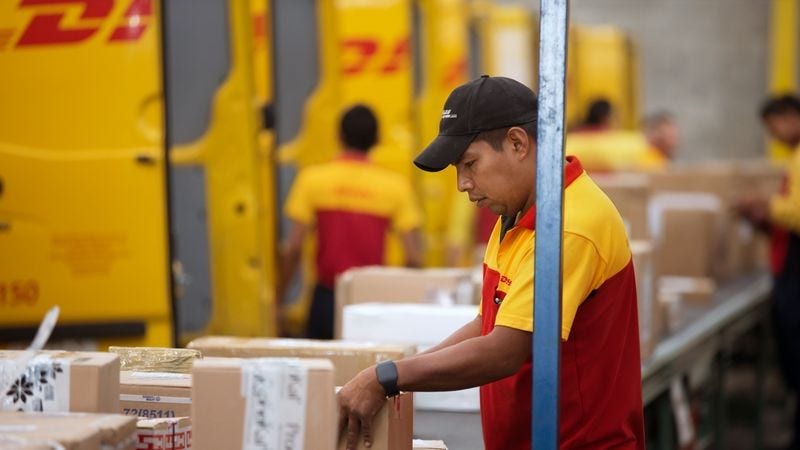
DHL Express provides expert guidance on the documents and procedures required for smooth customs clearance when importing padel equipment. This support helps businesses navigate import taxes, avoid delays, and ensure compliance with Indonesian regulations.
End-to-end delivery
From supplier warehouses in Spain or China, DHL acts as a trusted international courier in Indonesia, providing reliable end-to-end delivery. On-demand delivery options help businesses manage last-mile logistics efficiently, ensuring padel equipment reaches sports clubs, gyms, and retailers on time.
Handling bulky and fragile shipments
DHL Express offers tailored packaging solutions for heavy or fragile items, such as glass panels, court flooring, and other padel equipment. With the capability to deliver overseas and across Indonesia’s major cities, DHL Express ensures each shipment is securely packed, minimizing damage during transit and maintaining product integrity from origin to destination.
Digital tools for importers
Platforms like MyDHL+ allow businesses to book shipments, track deliveries, and estimate costs digitally. These tools provide full visibility, making it easier to plan imports and manage supply chains effectively.
Partner with DHL Express to import padel equipment
Indonesia's padel market presents significant growth potential, but successful importing requires careful planning, compliance, and logistics expertise. Partnering with DHL Express enables businesses to navigate customs, optimize shipping costs, and ensure the timely delivery of equipment like rackets, balls, and full-court installations.
Stay ahead of the curve. Sign up for a DHL Express Business Account today to access customized logistics solutions, expert customs guidance, and a worldwide express network that keeps your padel business moving forward.
Share
Similar Stories