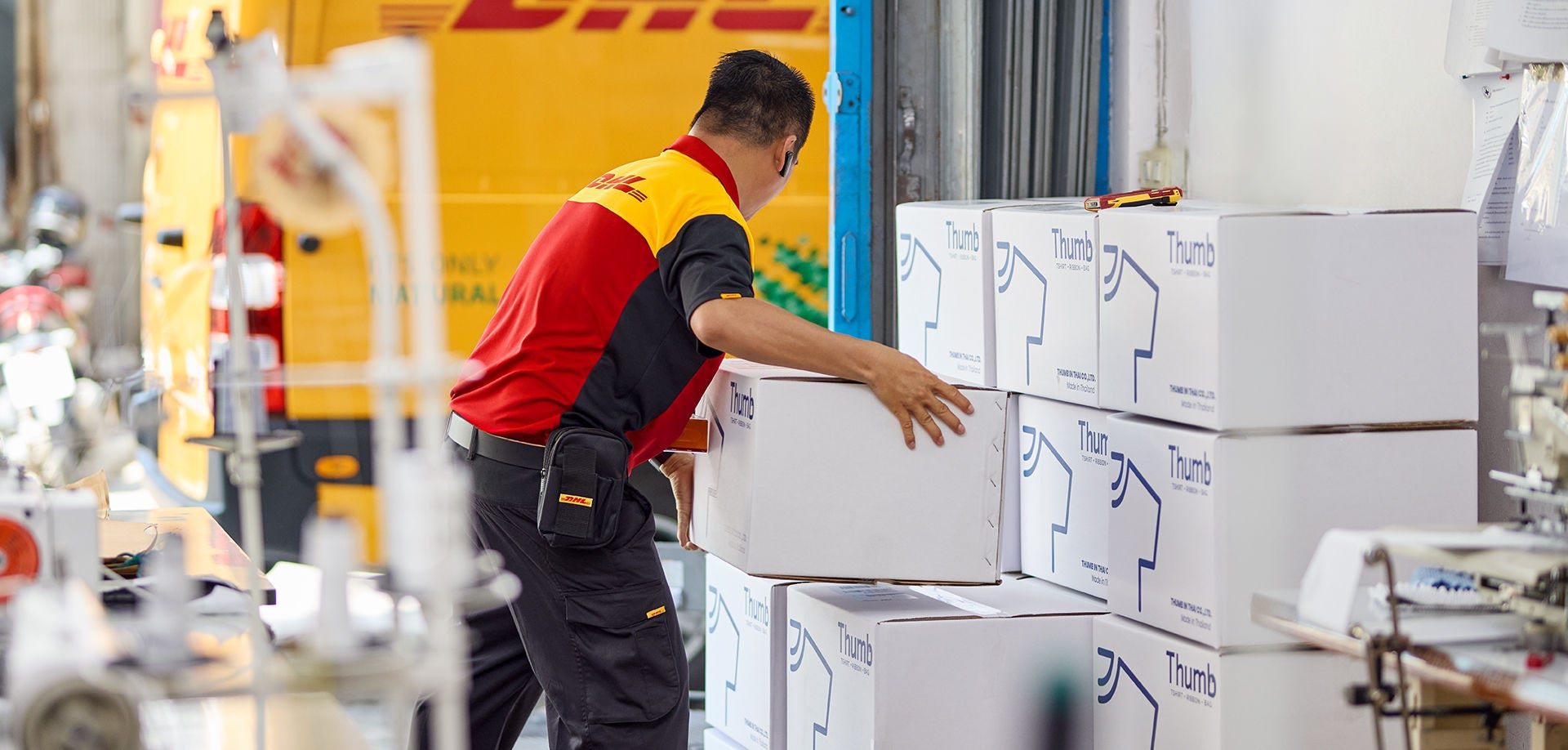
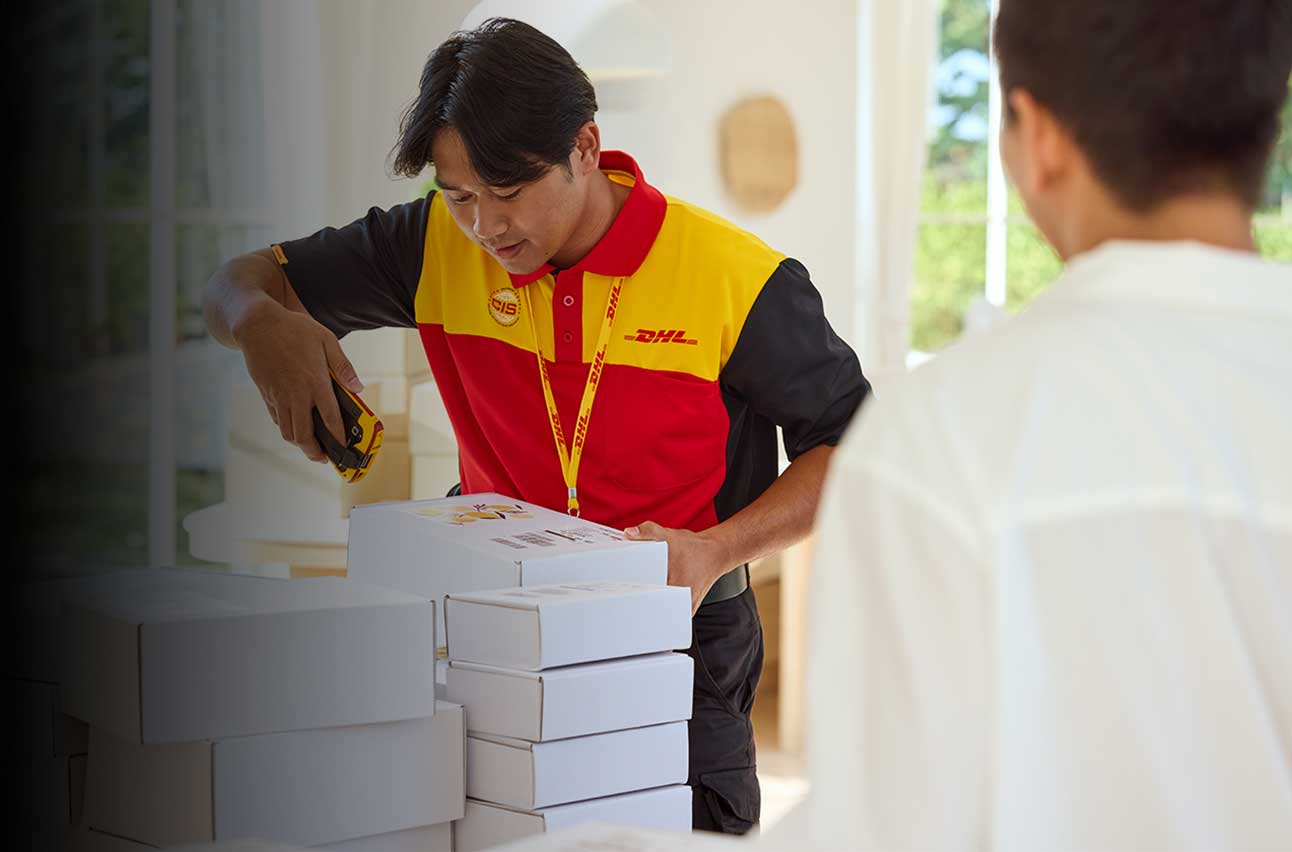
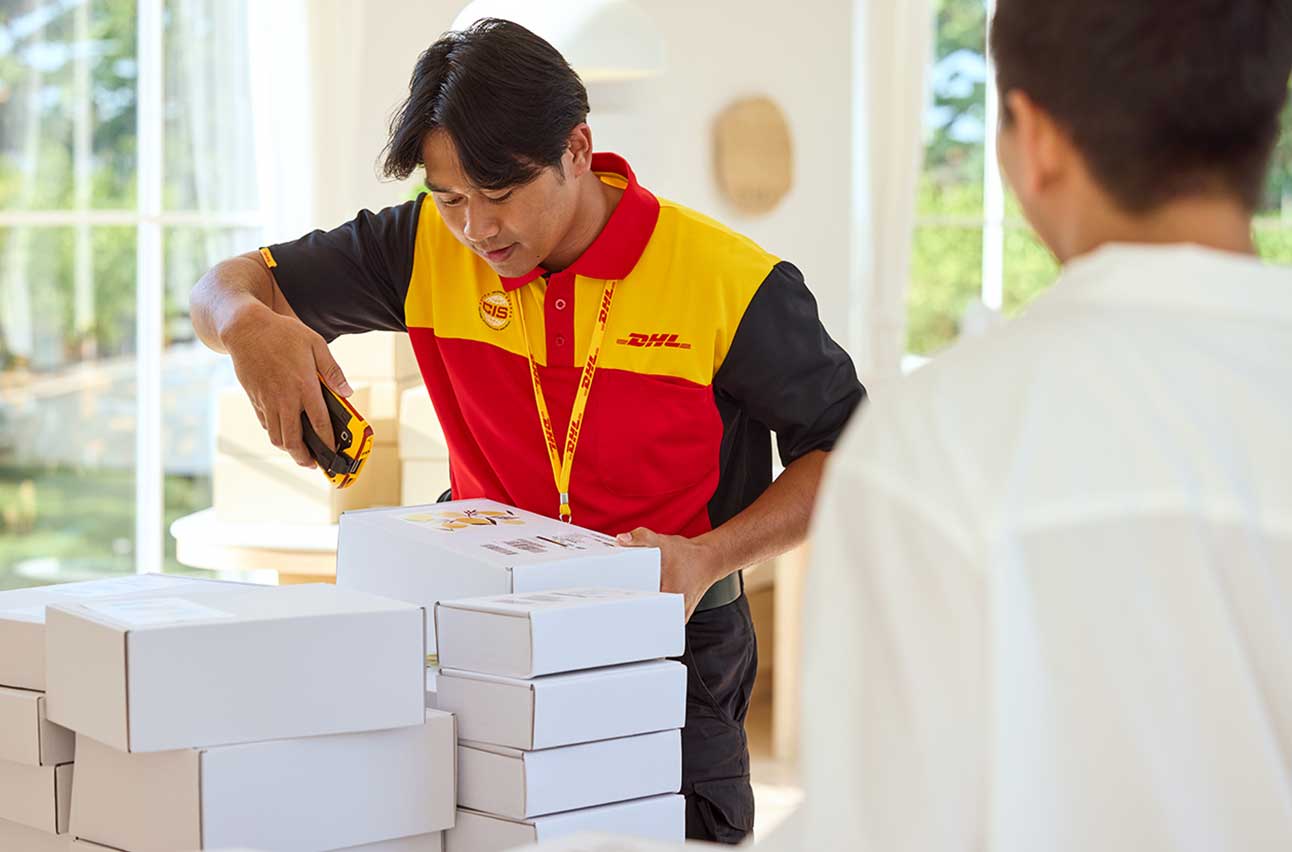
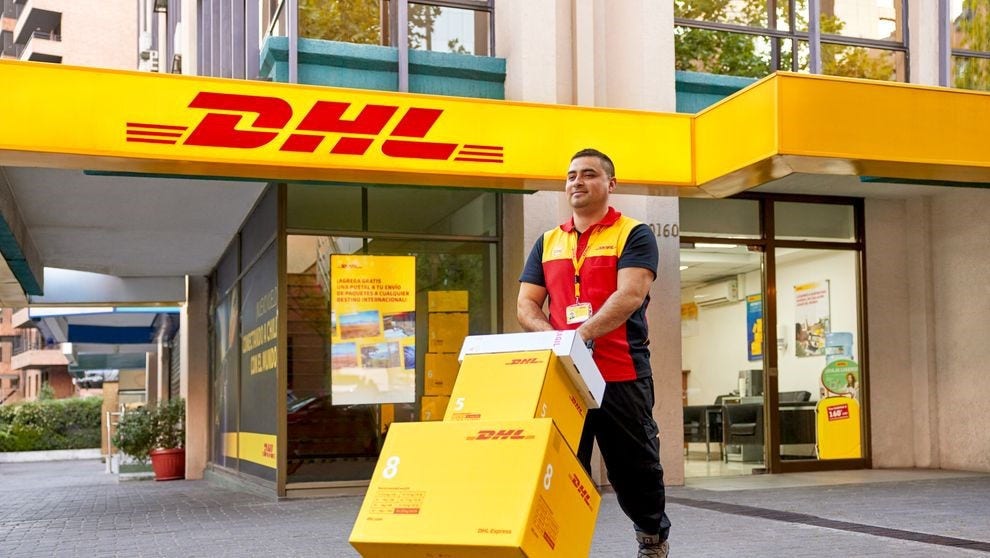
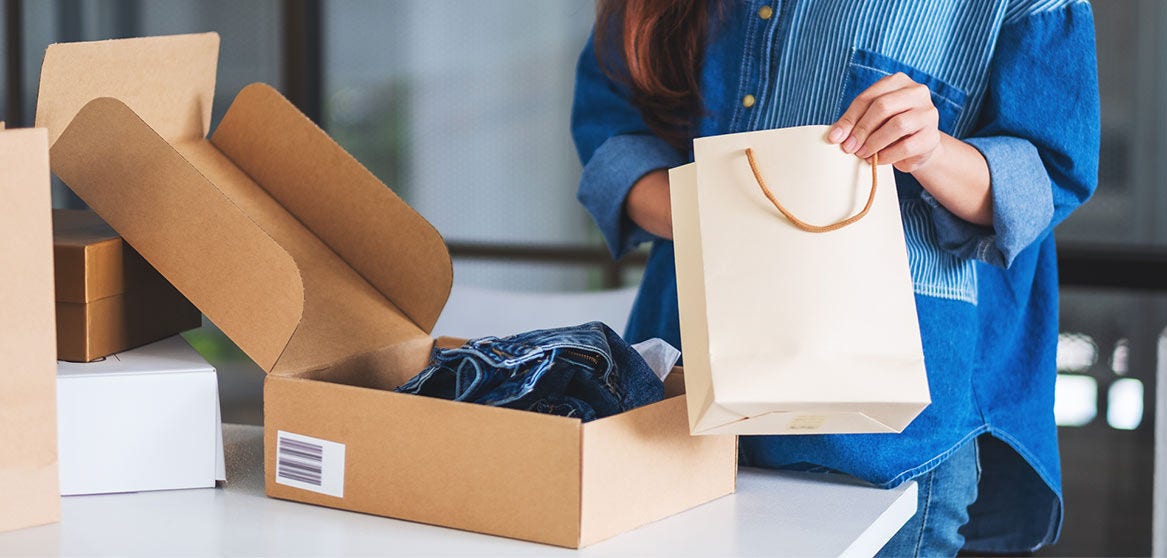
The Ship from Store model works because your physical shops are usually closer to urban customers than a centralised warehouse. By having retail staff pack online orders directly from the shop shelves, transit times can be significantly reduced.
This approach also puts your floor space and staff to productive use during quiet retail hours, and shipping from high-street locations can bypass regional distribution delays. Consequently, delivery times can drop from days to mere hours, making same-day or next-day delivery a standard offering rather than an exception.
Making the daily handoff work
A fixed daily pickup schedule means you can ship international orders straight from the store counter instead of coordinating transport runs to a distant warehouse. Capacity can tighten dramatically during the peak Diwali season, making localised dispatch points even more valuable. This is especially true if you're managing outbound freight from a major technology and e-commerce hub like Bengaluru.
Five steps to turn your shopfront into a fulfilment node
We recommend working through these steps in order:
- Map Inventory: Connect your point-of-sale system to your e-commerce platform for live, synchronised stock counts.
- Designate Packing Zones: Set up a small, dedicated space in your stockroom for wrapping and labelling parcels for shipment.
- Train Staff: Teach retail employees to pick, pack, and label international express shipments using clear, established guidelines.
- Establish Cut-offs: Set clear daily cut-off times for online orders, so same-day preparation happens before the courier arrives.
- Schedule Pickups: Set fixed daily collection times with DHL Express to maintain consistent and reliable dispatch windows.
How do you handle click and collect logistics in mature retail markets?
Click and collect in mature markets like Australia or Singapore only works with a unified inventory system that matches real-time store availability to what customers see online.
What happens when the system gets it wrong
If a customer arrives at your store and their pre-ordered item is not available, brand loyalty can be significantly damaged. DHL Express Worldwide helps merchants manage the international inbound flow of stock to retail stores, supporting effective replenishment so local collection points remain adequately supplied.
Consumer expectations for click and collect services are growing in India's major cities, with customers expecting accurate stock information and a seamless pickup experience. It is important to have robust systems in place before finalising your approach.
How the three fulfilment models compare
Here is a comparison of the different fulfilment models:
Fulfilment Model
| Inventory Source
| Delivery Destination
| Key Benefit
|
|---|
Standard E-commerce
| Centralised Warehouse
| Customer Home
| Maximises central stock control and simplifies bulk packing
|
Ship from Store
| Retail Shop Floor
| International Customer
| Reduces transit distances by shipping from the nearest physical shop
|
Click and Collect
| International Inbound
| Local Retail Branch
| Eliminates residential delivery fees and drives physical foot traffic
|
How do you integrate regional digital platforms and super apps?
You can integrate regional digital platforms by connecting your inventory database to them through Application Programming Interfaces (APIs), enabling instant ordering and localised delivery wherever your customers shop. In India, this can mean integrating with all-in-one 'super apps' used for mobile payments, social browsing, and delivery.
Keeping delivery flexible once the order lands
Your omnichannel strategy needs to connect these platforms to your physical stores to capture active digital shoppers. For orders from social commerce or super app storefronts like Paytm or Tata Neu, the DHL Express Mobile App and On Demand Delivery let buyers choose a safe place or a new date for their delivery, which helps to cut failed delivery attempts.
That flexibility also helps build trust with first-time international buyers. If you're managing outbound freight, you can link your backend systems to provide a seamless experience.
Four consumer demands this strategy handles
This approach addresses the details that matter most to regional buyers:
- Flexible Redirection: Buyers can modify delivery locations while the shipment is in transit.
- Instant Notifications: Customers receive real-time updates directly on their mobile devices.
- Alternative Collection: Receivers can opt for local service points instead of home drop-offs.
- Cashless Settlement: Integrated payment systems can speed up duty collections where applicable.