#LogisticsAdvice


 Share
Share
How to export pickles from India overseas: Tips on shipping and packing
6 Mins Read
Share

Discover how to share the taste of home or grow your business by exporting Indian pickles overseas. Learn peak season tips, packing guidelines, and DHL Express shipping solutions for individuals and exporters alike.
Homemade pickles are a cherished part of Indian cuisine, with recipes passed down through generations and flavours deeply rooted in regional traditions. From tangy mango pickles in the north to fiery mustard-based varieties in the south, each jar reflects local ingredients, family techniques, and cultural identity.
Between February and May, India enters its peak pickle season. Fresh, seasonal produce is abundant, and households across the country prepare batches meant to last the year. This agricultural abundance also creates a timely opportunity for businesses looking to export authentic Indian pickles overseas.
Whether you plan to send pickles to loved ones or explore selling them internationally, understanding how to pack and ship them correctly helps ensure they arrive safely, fresh, and ready to be enjoyed.
The pickle export scene in India
India’s pickle industry is steadily expanding, reflecting both strong domestic consumption and growing global demand. In 2024, the Indian pickles export market was valued at approximately US$ 592.66 million and is projected to reach around US$ 976.08 million by 2033, growing at a compound annual growth rate of about 5.3%1.
This sustained growth signals an opportunity for exporters. Indian pickles are no longer niche, ethnic grocery products. They are now part of mainstream international retail, driven by diaspora communities, rising interest in global cuisines, and demand for bold, fermented and spice-forward flavours.
Pickles in high demand
Global demand for Indian pickles spans multiple categories, with fruit-based varieties leading the market.
- Fruit Pickles: Mango, lemon, and mixed fruit pickles are all popular choices among international buyers. Fruit pickles account for the largest share of international exports of pickles from India1.
- Vegetable Pickles: Mixed vegetable, chilli, carrot and garlic pickles are popular across North America and Europe, particularly in diaspora-heavy markets.
- Meat Pickles: Regional specialities such as prawn and chicken pickles are gaining niche demand, though they may face stricter import requirements depending on the destination country.
- Other Prepared Condiments and Relishes: Specialty blends and regional variations that don’t fall into the standard fruit or vegetable categories are also gaining attention in international markets.
Pickles from Andhra Pradesh are especially popular for international shipments, with many households and businesses sending the region’s bold, spicy varieties to friends, family, and customers overseas.
Top destination countries for pickle exports from India
Indian pickles are in demand across the globe, with certain markets showing particularly strong potential for exporters2:
- United States: High demand among the Indian diaspora and growing interest in international cuisines.
- Germany: Popular in regions with sizable South Asian communities and specialty food markets.
- Canada: Strong consumer base for authentic Indian flavors, especially in metropolitan areas with diverse populations.
These countries represent key opportunities for both small-scale businesses sending parcels overseas and larger enterprises looking to expand their pickle exports.
Who can send pickles abroad?
Individuals
For many individuals, shipping homemade pickles from India to loved ones abroad is a heartfelt gesture that bridges the distance between loved ones.
Whether it’s a jar of tangy mango pickle or a spicy lemon chutney, receiving food made at home often evokes deep feelings of nostalgia and love. This simple act of sharing familiar flavors helps families stay connected, even when they’re miles apart.
Small businesses
The pickle season presents a valuable opportunity for small-scale businesses to share their homemade pickles with a broader audience, especially as demand for authentic regional flavors grows.
Many small-scale pickle makers and local artisans are now leveraging online platforms to sell their products worldwide, giving customers access to traditional homemade pickles. During the peak season, Indian exporters can tap into this demand by offering unique, homemade pickles to customers craving an authentic, nostalgic experience.
Here are a few tips for finding overseas buyers for pickles from India:
- List your products on B2B platforms and marketplaces catering to international buyers.
- Participate in international trade fairs to showcase your pickles and connect with distributors.
- Use social media marketing to build awareness and engage directly with global consumers.
Packing pickles for international delivery
Proper packaging is essential when sending pickles abroad. It ensures jars arrive intact, without leaks or spills, while complying with overseas shipping regulations.
For businesses, knowing how to pack pickles for flight or long-distance transport also helps preserve freshness, protect flavours, and make sure products reach customers in the best possible condition.
Follow these steps to pack your pickles safely:
1. Jarring
- Use high-quality, airtight containers to prevent leaks and preserve freshness for international shipping from India.
- Ensure lids are tightly sealed, as this prevents spills and protects both the contents and surrounding packaging.
2. Cushioning (Internal Padding)
- Wrap each jar individually in bubble wrap or foam padding.
- Cushioning absorbs shocks and protects jars from bumps or impacts during transit.
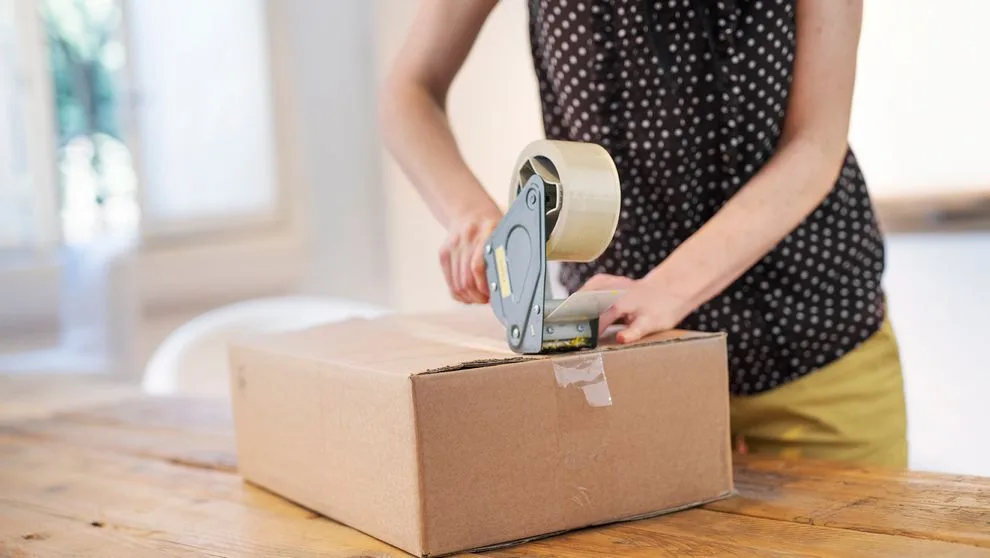
3. Outer Packaging
- Place the wrapped jars in a sturdy outer box.
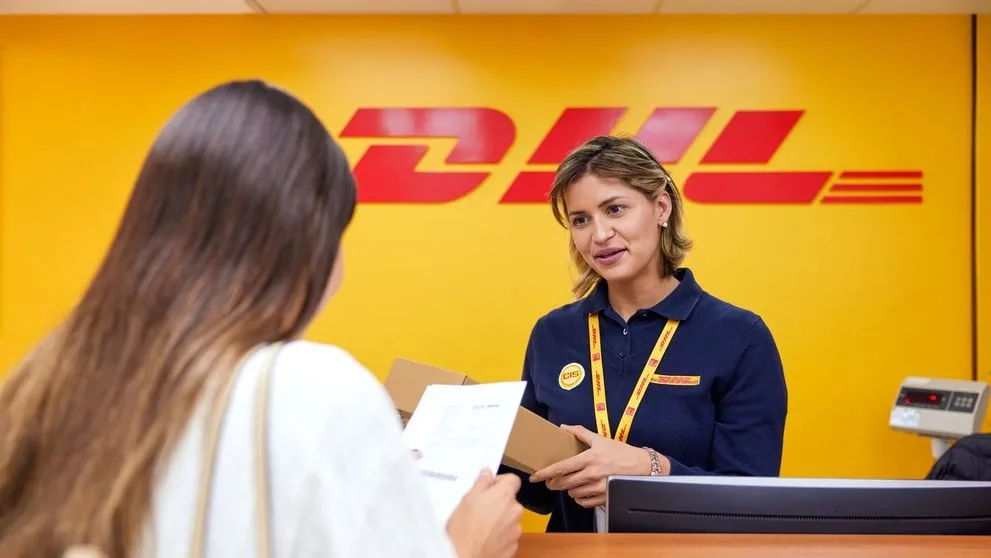
- Visit your nearest for high-quality packaging materials and expert guidance.
4. Labelling & Declaration
- Clearly declare the contents as pickles and provide accurate weight and quantity.
- Comply with airline and customs regulations for shipping food items, including limits on liquids.
- Proper labelling helps avoid delays and ensures smooth customs clearance.
By following these steps and tapping on the expertise of an export service provider like DHL Express, you can be confident that your homemade pickles will reach their destination safely, fresh, and ready to enjoy.
How to start exporting pickles from India
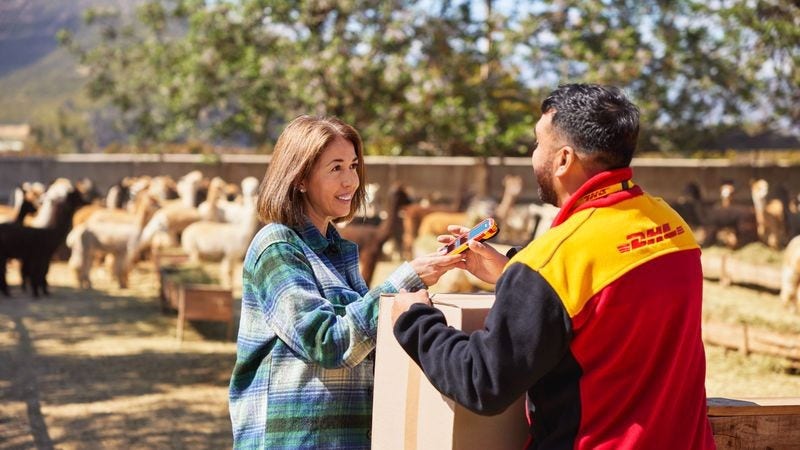
Exporting pickles from India requires careful preparation, regulatory compliance, and proper documentation. Here’s a step-by-step guide to get started:
1. Business registration & GST
Before you can export your pickles overseas, you must ensure your business is legally registered and compliant with tax regulations:
- Company Registration: Register your business with the Ministry of Corporate Affairs (MCA) to operate legally.
- GST Registration: Mandatory for all export activities, GST registration ensures your business can comply with tax regulations and claim input tax credits where applicable.
2. Secure certifications
Certain certifications are essential for legally exporting food products and gaining buyer trust:
- IEC (Import-Export Code): A 10-digit code issued by the Directorate General of Foreign Trade (DGFT) required for all exporters.
- Food Safety and Standards Authority of India (FSSAI) License: Legal requirement for any business handling and exporting food products.
- Agricultural and Processed Food Products Export Development Authority (APEDA) Registration: Mandatory for exporters of processed foods, including pickles, to ensure quality standards.
- Spices Board of India Certification: Required if exporting spice-based pickles or products containing significant spice content.
- Phyto-Sanitary Certificate: Some destination countries require this certificate to prove that exported items are free from pests and diseases.
3. Select the correct HS Code
Assigning the right Harmonized System (HS) code is essential for customs clearance and duty calculation. Common codes for pickles and related products include:
- Fruit-based pickles: 2001, 20019000, 20011000
- Vegetable-based pickles: 2005, 20059900
- Meat and fish pickles: 1604, 16041210
4. Prepare export documentation
Proper documentation helps avoid delays and ensures regulatory compliance. Here’s a list of documents you will need for export:
- Commercial Invoice: Details the transaction and value of goods.
- Packing List: Specifies the contents of each package.
- Certificate of Origin: Confirms where the pickles were produced.
- Air Waybill: Essential for tracking and air transport.
- Bill of Lading: Required for sea shipments.
- Shipping Bill: Required for customs clearance and export compliance.
- Export License: Required for regulatory compliance in certain cases.
Pickle delivery with DHL Express: A shipment of love and flavor
Indian pickles are no longer confined to home kitchens. They are crossing borders, appearing in international grocery aisles, specialty food stores, and online marketplaces worldwide. With evolving global tastes, consumers are also seeking bolder, more authentic flavours, and Indian pickles are well-positioned to meet that demand with intensity, variety, and character.
Whether you’re sending a jar of spicy mango pickles to a loved one in another country or shipping your products to distributors overseas, DHL Express ensures smooth delivery with speed, compliance, and dependability. Our global reach and expertise in international shipping give you confidence that every jar arrives safely, fresh, and ready to delight recipients.
Explore DHL Express’ courier services tailored to individuals looking to send personal parcels or businesses planning to export pickles overseas. For more established enterprises, you can also consider opening a DHL Express business account to streamline shipments, ensure compliance, and power your global trade with confidence.
Frequently asked questions about shipping pickles from India
Can we send pickles by courier service in India?
Yes, you can send pickles via courier services in India. Proper packaging is essential to prevent leaks and preserve freshness. Using airtight jars, cushioning materials, and a sturdy outer box ensures your pickles reach their destination safely.
Can we send homemade pickles from India?
Yes, homemade pickles can be sent from India, provided they are properly packed and comply with the destination country’s import regulations. Using tightly sealed, leak-proof containers and secure outer packaging helps prevent spills during transit.
Is a FSSAI license mandatory for pickle businesses?
Yes, a Food Safety and Standards Authority of India (FSSAI) license is mandatory for any business handling and exporting food products, including pickles. It ensures compliance with food safety regulations and builds trust with buyers and regulators, both in India and internationally.
Get Started with a DHL Business Account Today
Exclusive business discounts up to 60%
Seamless global shipping
Dedicated support for your business growth

 Share
Share
Similar Stories