#LogisticsAdvice


 Share
Share
How stricter security measures will impact shippers and why you should reevaluate your heavy cargo transport options
Share
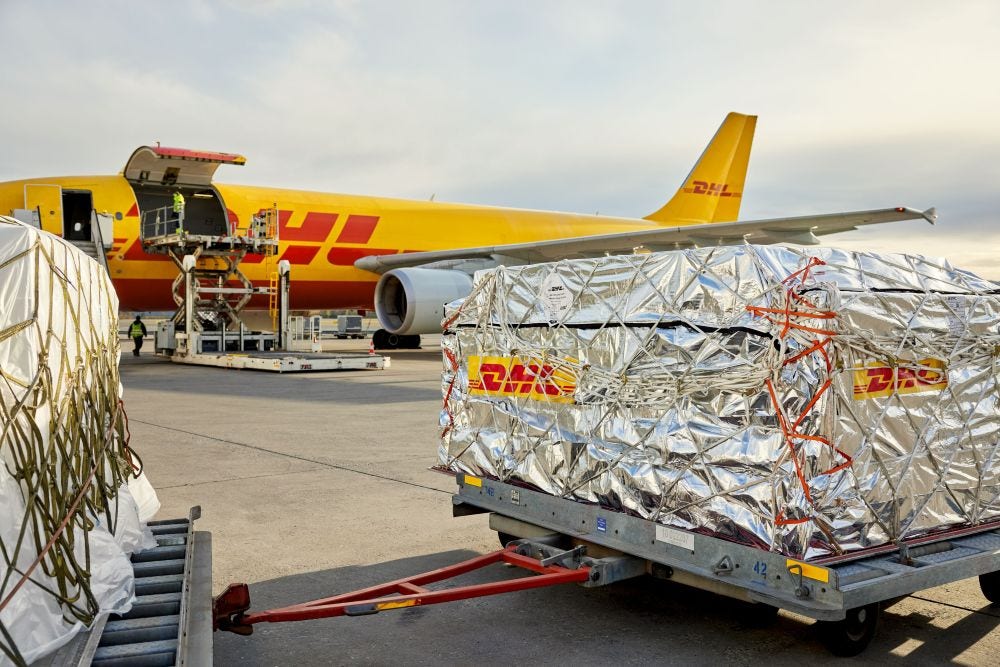
From January 2026, the environment surrounding international air cargo shipped from Japan will undergo major changes. Security requirements for air cargo will be significantly strengthened, with more rigorous screening processes—such as enhanced explosive detection—becoming mandatory.
These changes are aligned with global regulatory trends. Air cargo security measures are based on international standards set by the International Civil Aviation Organization (ICAO), and countries such as the United States and those in Europe have been progressively reinforcing their frameworks over the years. The upcoming updates in Japan follow this same international direction.
This new requirement has the potential to affect not only logistics providers but also the entire supply chain of shippers handling heavy or oversized cargo.
In this article, we explain the background behind the changes, the challenges shippers are likely to face, and the key points to consider when reevaluating your transport strategy.
What the stricter air cargo security measures mean
Until now, security checks were primarily conducted using ETD (Explosive Trace Detection), which detects microscopic particles on the cargo surface.
From January 2026 onward, X‑ray screening will become the standard for all cargo, regardless of size, requiring more stringent and comprehensive security procedures.
As a result, shippers may experience:
- Additional inspection steps
- Higher costs due to expanded screening requirements
- Longer lead times caused by screening queues or capacity constraints
These effects will be particularly noticeable for companies handling heavy or oversized cargo.
Common concerns among shippers
With the updated regulations, many shippers are expressing the following concerns.
1. Greater uncertainty over shipping lead times
- As more time will be required for explosive detection screening, shipments might have to be expedited to accommodate delays
- Potential backlog and congestion at airports
- Longer waiting times during peak seasons
- Heavy cargo may face daily weight/acceptance limits, resulting in multi‑day processing
This raises a key concern across supply chains on the possibility of meeting existing timelines.
2: Rising costs
- Additional fees associated with the revised screening procedures
- Higher storage or handling costs due to clearance delays
- Varying fee structures depending on the service provider, creating cost uncertainty
For heavy cargo in particular, unexpected cost increases may arise beyond initial estimates.
3: Quality and security risks
- Risk of packaging damage or contamination during manual inspections
- Impact on sensitive products such as precision instruments or metal components
- Increased risk of confidential information exposure due to cargo opening

Choosing the right transport partner moving forward
This regulatory change is not temporary—it represents a long‑term shift.
As a result, the key decision factor will no longer be just freight cost, but whether a transport partner can operate reliably under the new requirements.
Key questions shippers should consider include:
- Is the transport process simple and predictable?
- Can the provider maintain consistent lead times?
- Can heavy cargo be handled under the same quality standards as regular cargo?
- Is the minimal risk of unexpected process changes or additional costs?
Selecting the right logistics partner now is crucial for future stability.
Why shippers choose DHL Express for heavy cargo
There is no single perfect transport option—what matters is building the right mix according to cargo characteristics and risk levels.
For heavy cargo, which is especially vulnerable to the upcoming regulatory changes, DHL Express offers a simple, end‑to‑end process with a transparent rate structure, supported by our own global network.
By operating our own integrated air network, DHL Express delivers highly visible, stable international logistics even under the new regulatory environment.
Key strengths of DHL Express
- Global network covering over 220 countries and territories
- End‑to‑end handling by DHL—from customs clearance to final delivery
- Simple, predictable operations with transparency and visibility across network
- Consistent service quality even for heavy cargo
- Fast delivery supported by optimized conditions and strategic planning
- Reduced fluctuations in additional screening fees and lead times*
*Conditions may vary depending on cargo size and weight that fall under explosive detection screening requirements.
Learn more about our heavy shipping service: https://www.dhl.com/discover/ja-jp/ship-with-dhl/heavy-shipping
Preparing for the new regulations: Understand the specific requirements
To respond effectively to the new regulations, it is important not to rely on general assumptions.
Instead, shippers should evaluate how their specific cargo weight, size, and shipping conditions may be affected. Depending on these factors, feasibility, lead times, and cost structures can vary significantly.
Keeping track of these changes in advance will help avoid confusion and unexpected issues once the new rules take effect.
For heavy cargo in particular, shippers should regularly review transport requirements with their logistics partner to be fully prepared.
Treat the regulatory change as an opportunity—not just a risk
Stricter air cargo security measures may increase burdens for many shippers.
At the same time, this is an opportunity to reassess:
- Transport stability
- Cost transparency
- Heavy‑cargo handling capabilities
Strengthening these areas can help build a more resilient supply chain. If you are feeling uncertain about heavy cargo transport, now is the ideal time to consider your next move.
Rather than relying on a single transport method or provider, this regulatory change encourages businesses to take a broader view of their supply chain, identify potential risks, and simplify where possible.
Starting with high‑impact areas—such as heavy cargo—is a practical first step toward overall optimization.
What Is the KS/RA System? (Japan Ministry of Land, Infrastructure, Transport and Tourism)
The KS/RA system is Japan’s regulatory framework for air cargo security, designed to prevent explosive or dangerous items from being loaded onto aircraft. Its goal is to ensure that cargo accepted and loaded by airlines has undergone secure handling in the supply chain, with traceable records.
KS (Known Shipper)
A Known Shipper is recognized for maintaining consistent security measures, such as proper storage environments, controlled access, and cargo handling procedures. Achieving KS status indicates that the shipper is reliable from an aviation security perspective.
RA (Regulated Agent)
A Regulated Agent is a logistics provider—such as a freight forwarder or warehouse operator—authorized to conduct security screening and manage secure cargo handling before the cargo is handed over to an airline.
RAs must ensure:
- Secure storage
- Controlled access
- Seal and label management
- Screening
- Proper handover procedures
Why the KS/RA Framework Matters
What matters in practice is determining:
- What a KS shipper can handle
- What needs to be supported by the RA or warehouse operator
- How the entire process satisfies the airline’s acceptance requirements
Although each party (shipper, forwarder, warehouse, airline) appears to operate independently, a failure at any step can lead to cargo rejection or delays.
Clear role‑sharing and information flow under the KS/RA framework is essential for maintaining stable air cargo transport.
Share