Shipping fragile goods across borders is a challenge many Kenyan businesses face, not because demand is low, but because damage often chips away at profits.
From exquisite handmade ceramics and delicate glassware to sensitive electronics and vital medical devices, these items encounter a tough journey. They pass through sorting hubs, aircraft holds, customs inspections, and last-mile delivery, each stage testing their resilience.
The truth is, most damage claims stem from poor packaging, a preventable setback that can even void your insurance coverage if standards aren’t met. When shipping internationally, packaging is more than just protection; it's a critical part of your logistics strategy.
Understanding the True Cost of Weak Packaging
Your shipment embarks on a demanding trip. Parcels are stacked, sometimes with heavier packages crushing lighter ones. They face temperature swings from chilly -10°C to scorching +60°C. Automated sorting systems, multiple handlers, and transfers across vehicles and borders add to the stress.
But damage isn’t just about broken products. It hits your business where it hurts:
Delayed deliveries that frustrate customers and hurt your reputation.
A dented brand image from damaged goods leading to returns and bad reviews.
Financial risks if your packaging causes damage to other shipments or equipment.
Insurance claims denied due to substandard packaging.
At scale, these problems don’t just cost one shipment, they chip away at your margins and stunt your international growth.
Fragile Packaging: A System That Works
Good packaging isn’t about tossing in extra bubble wrap. It’s a smart, step-by-step approach that makes sure your product survives the real conditions of transit. The mission is clear: stop movement, absorb shocks, and keep the package strong from Nairobi to anywhere.
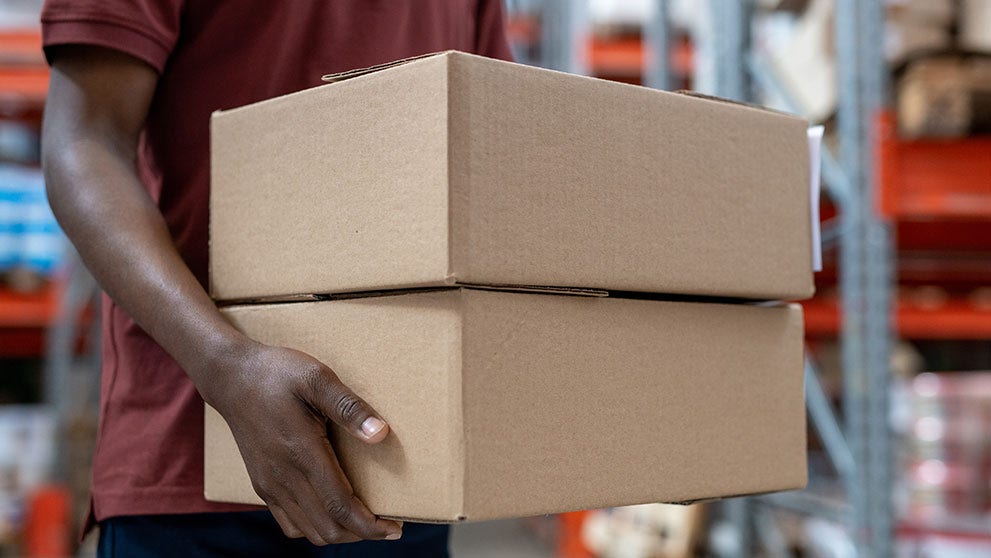
Your outer box isn’t just a container, it’s the first line of defence. Use high-quality corrugated cardboard, ideally double or triple-wall for fragile or heavy items. Check the manufacturer’s strength rating and avoid reused boxes, no matter how good they look. Remove old labels to avoid mix-ups and pick the right size; too big invites collapse, too small risks bursting.
A weak box doesn’t give warnings; it fails outright. When it does, your whole shipment is in danger.
Inside the Box: The Real Battle for Survival
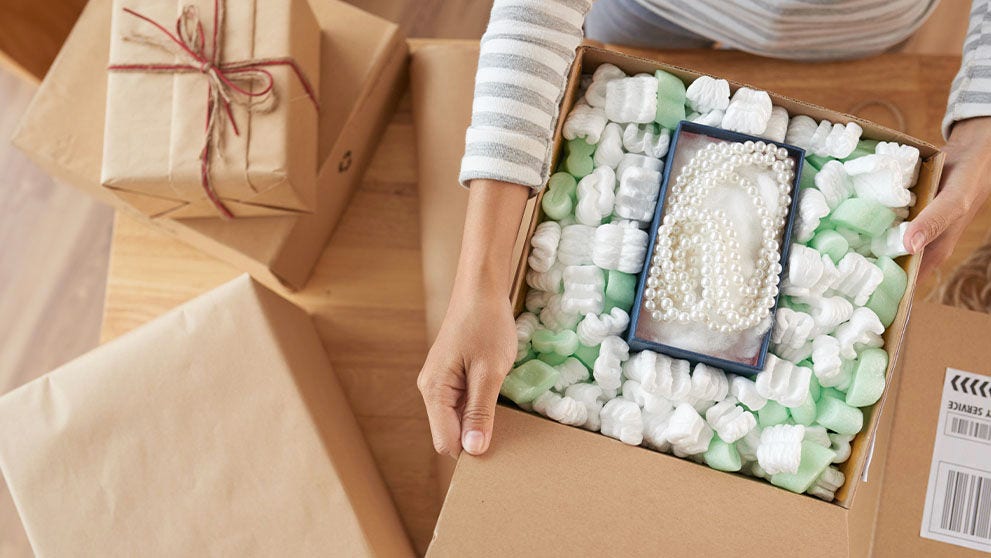
What you pack inside matters more than the box itself. Keep your items at least 6 cm away from all sides, this buffer absorbs shocks before they reach your products. Wrap each piece separately with bubble wrap, foam, or corrugated padding; fragile items like glass or ceramics need extra layers.
If you’re sending multiple items, use dividers to stop them from bumping into each other. Fill every gap, polyurethane foam offers the best protection, but air pillows, bubble wrap, or scrunched kraft paper work too. Don’t forget to cushion the top under the lid to prevent crushing.
Movement inside the box is your enemy. Even tiny shifts on long journeys turn into damage.

Double-Boxing: The Gold Standard for High-Value Goods
For those precious ceramics, glassware, electronics, medical devices, artwork, or shipments valued over KES 50,000, double-boxing is a must. Place your product in a smaller cushioned box, then nest that inside a larger box filled with padding. This two-layer shield greatly reduces shocks and pressure impacts, often the difference between safe arrival and costly damage.
Clear labels help your package move smoothly through the network. Put your shipping label on the top surface, steer clear of edges or seams, and remove all old labels and barcodes. Use document pouches for paperwork and include a duplicate label inside the package. Apply “Fragile” stickers on multiple sides, but remember, labels don’t replace strong packaging.
Seal It Right, Seal It Tight
A weak seal can undo even the best packaging. Use strong packing tapes like polypropylene, vinyl, or fibre-reinforced tape. Apply the H-taping method: one strip along the centre seam and two strips across the edges. Reinforce corners for heavy shipments. Avoid flimsy materials like string or cellophane tape, your seal is part of the box’s structure.
Why DHL Is Your Partner in Safe Delivery
Even the best packaging needs the right logistics partner to shine.
International shipments pass through many hands and transport modes, and consistent handling is key to success.
DHL supports your fragile shipments by offering packaging guidelines tailored to real transit conditions, not assumptions. With real-time tracking and visibility, you and your customers stay informed every step of the way. DHL’s global network ensures consistent handling, reducing damage caused by variability. And if problems arise, our clear claims process helps resolve issues quickly.
Aligning your packaging with DHL’s standards means you’re not just protecting your goods, you’re plugging into a system built for reliable, predictable delivery.
Protect Your Craft, Protect Your Business
For Kenyan artisans, manufacturers, and exporters, fragile items often carry the highest value, not just in price, but in skill and brand trust. Once your products leave your hands, packaging is your only safeguard.
Right packaging means fewer damages, happier customers, and more repeat business. It’s not a cost, it’s an investment in your margins and your reputation.
Ready to ship your fragile goods with confidence? Open a DHL Express account or get a quote through MyDHL+ for trusted international delivery, tracking, and support tailored for high-value shipments.


 Share
Share
Similar Stories