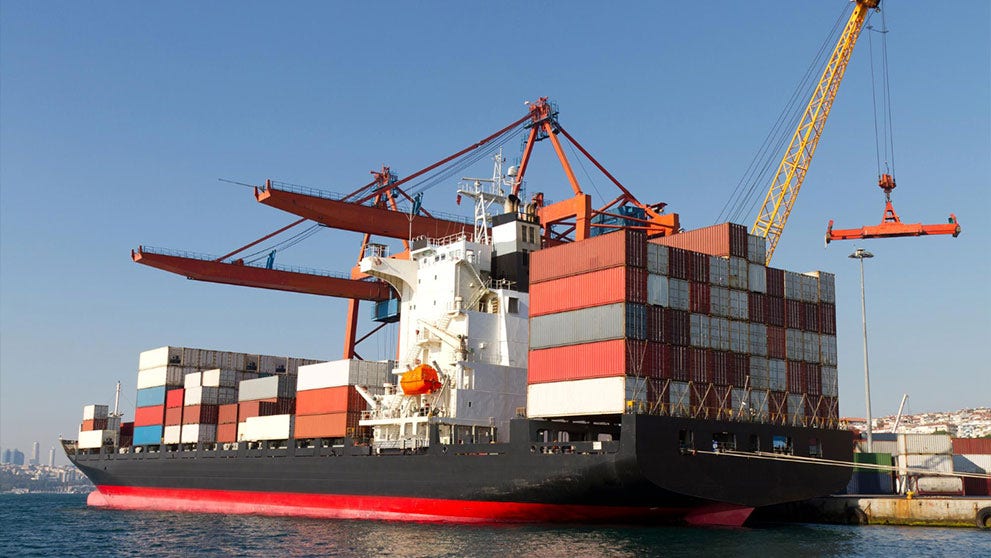
Kenyan importers have faced tough times over the past couple of years. Longer shipping routes, soaring freight costs, and unpredictable delivery timelines have become the new normal. With cargo that used to sail through the Red Sea and Suez Canal being rerouted around the Cape of Good Hope, transit times stretched by weeks, putting pressure on supply chains and budgets alike.
But there’s fresh hope on the horizon. In February 2026, Gemini Cooperation announced the resumption of its ME11 service, a key shipping route connecting the Middle East and India with the Mediterranean, back through the Red Sea and Suez Canal, now under naval protection. This marks the first transit of its kind since the disruptions started.
While this doesn’t mean shipping will snap back to pre-2023 patterns overnight, it signals a shift that Kenyan importers can’t afford to ignore. Changes in route dynamics affect transit times, vessel availability, and freight rates, all critical factors for your import strategy. It’s time to prepare.
What’s Behind the Route Shift?
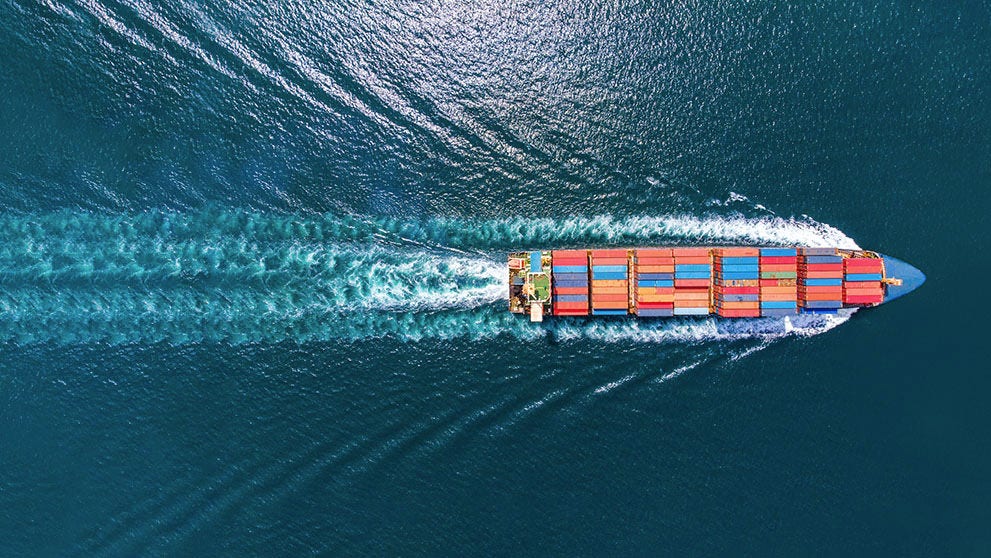
Since late 2023, the majority of container ships opted for the longer, safer journey around the Cape of Good Hope to avoid security concerns in the Red Sea. This detour added 10 to 15 days to trips between Asia and Europe and became the default route for global shipping.
The longer voyages absorbed vessel capacity and kept freight rates high, even as new container ships entered the market.
Now, with signs of improved security, carriers are cautiously testing the waters. The ME11 service began transiting the Suez Canal again in mid-February, and there’s talk that other routes might follow if conditions remain stable.
That said, the situation is still fragile. CMA CGM’s brief return to Red Sea sailings followed by a quick withdrawal highlights just how fast things can change. Many cargo owners remain understandably cautious.
A Gradual Return to the Red Sea
Major shipping lines are reintroducing the Red Sea route step by step. Some services have resumed Suez Canal transits, buoyed by better regional stability and successful trial voyages.
This return will be cautious and uneven. Shipping companies are rolling out routes one at a time, closely monitoring security developments.
Reopening the Red Sea could shake up the market. Vessels currently stuck on longer detours may flood back, boosting capacity and pushing freight rates down, at least temporarily. The disruption that once drove costs up could now bring a new wave of volatility.
What Kenyan Importers Should Expect
For businesses importing through the Port of Mombasa, a potential increase in Red Sea traffic could mean:
Shorter transit times as faster routes reopen.
Freight prices fluctuating as capacity returns, expect some ups and downs.
Adjustments in sailing schedules and port calls as carriers rebalance their networks.
This mix of opportunity and uncertainty impacts how you plan inventory, manage cash flow, and meet customer demands. Lower freight costs are a plus, but sudden schedule changes or short-term price shifts could disrupt your timelines if you’re caught off guard.
Key Signals to Watch
Stay alert to these indicators:
Carrier announcements on route changes often hint at market shifts.
Security updates in the Red Sea region can speed up or delay the return to traditional routes.
Movements in freight rates reveal returning capacity or rising competition.
Port congestion at major hubs signals how smoothly the transition is unfolding.
Keeping an eye on these will help you anticipate changes and stay ahead of surprises.
Smart Planning for a Shifting Shipping Landscape
Focus on your critical products, those that keep your business running and can’t afford delays. Prioritize their shipments and consider faster options if needed.
Build smart inventory buffers. Avoid overstocking but maintain a small safety stock of fast-moving, hard-to-replace items.
Stay informed. Track carrier updates and freight trends to adjust shipment timing and avoid last-minute shocks.
Maintain flexibility with suppliers and logistics partners. Discuss shipment schedules, split large orders if necessary, and work with partners who can offer alternative routes.
How DHL Supports Your Business Through Change
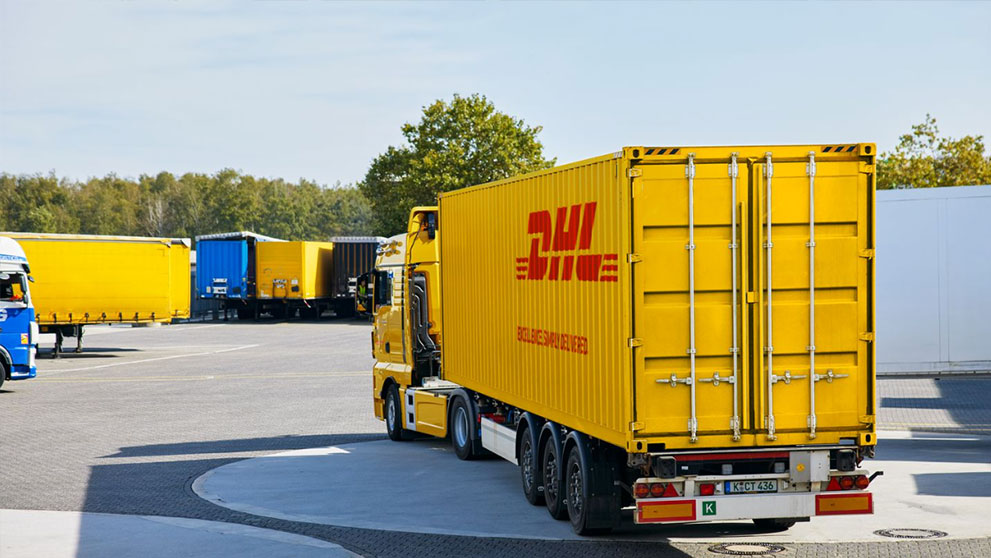
In times of uncertainty, having a reliable logistics partner is crucial. DHL offers shipment visibility, a vast global network, and flexible routing solutions that adapt as conditions evolve.
Opening a DHL Business Account gives you access to online tracking, tailored routing advice, and dedicated support, helping you secure the best shipping options as the market shifts.
What This Means for Your Business
The potential reopening of the Red Sea route in 2026 is a reminder of how quickly global logistics can change. For Kenyan importers, staying informed on route updates, carrier plans, and freight trends will be key to navigating the months ahead. Early preparation will help you control costs, protect your margins, and keep your goods moving smoothly as the market adjusts.
At DHL, we’re here to help you navigate these changes with confidence.


 Share
Share
Similar Stories