#LogisticsAdvice


 Share
Share
Mastering the last mile delivery: A guide for Cambodian small businesses
6 Mins Read
Share

Known as the “last-mile delivery,” the final stage of getting a product to your customer is arguably the most critical and complex part of the entire e-commerce journey. For a small business in Cambodia, this final interaction can be a crucial touchpoint for securing customer loyalty and building a strong brand reputation in a growing market.
While it’s important to focus on product quality and finding customers, one of the keys to long-term success, especially when sending parcels overseas or locally, lies in mastering this final delivery process. When done correctly, seamless execution here can transform a logistical hurdle into a competitive advantage.
Navigating Cambodia's unique logistics challenges
Moving goods across Cambodia, particularly beyond major urban centers, presents a unique set of challenges in logistics management. These hurdles, specific to the last-mile delivery stage, require local knowledge and careful planning to overcome.
The problem of rural delivery
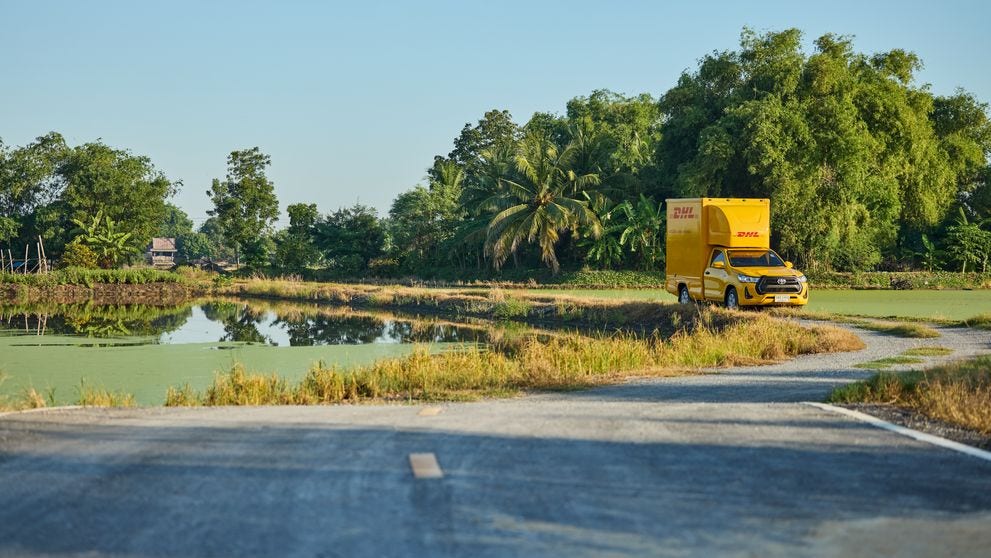
While major cities benefit from well-developed road networks, Cambodia's varied geography and developing infrastructure often make final-mile shipping to a rural area complex and highly unpredictable. This directly contributes to significant last-mile delivery challenges for businesses operating across the country.
Recognizing this, the government has launched ambitious development strategies. For instance, the Comprehensive Intermodal Transport and Logistics System Master Plan (CITLS-MP) (2023–2033) is a major initiative designed to address these gaps.
The CITLS-MP outlines 174 hard and soft infrastructure projects, including major investments in 94 road projects, the expansion of railway lines, and the establishment of key logistics complexes and transport hubs like the Phnom Penh Logistics Complex (PPLC) and Sihanoukville Logistics Complex (SHV-LC)1. These projects aim to create a highly connected network, reducing overall shipping costs for both large enterprises and small businesses.
However, while construction is underway, these large-scale infrastructure projects can temporarily worsen the challenges in the delivery system. So, whether you’re making rural or urban deliveries in Cambodia, the active construction zones, unexpected roadblocks, and detours can affect your goods’ transit times.
Consequently, having a robust plan to manage these infrastructural problems and associated longer transit times is essential for maintaining both operational efficiency and customer satisfaction when sending parcels overseas or domestically.
Unofficial addresses and connectivity gaps
Another significant last-mile delivery problem that small businesses may face involves inaccurate or non-standard recipient information. Unlike formal street addresses in Phnom Penh, many Cambodian locations lack clearly defined numbers or postal codes. This issue of unofficial or incomplete addresses frequently leads to delivery delays and, frustratingly, failed attempts.
Moreover, communication breakdowns make the final leg of delivery more challenging, as real-time coordination with drivers is often disrupted by limited or unreliable Internet access in remote areas. To overcome these challenges, you’ll need proactive communication strategies that go beyond digital channels.
For effective shipping logistics in small businesses, carriers often rely on local knowledge and phone calls to confirm precise locations and arrange handovers, thereby bridging the physical and digital divide between sender and receiver.
Your practical guide to seamless logistics management
To overcome the complex last-mile delivery challenges in Cambodia, adopt seamless and reliable internal processes for your small businesses. Mastering these operational aspects ensures that your packages are prepared for transit and your customers are kept informed every step of the way.
Preparing your shipments for success
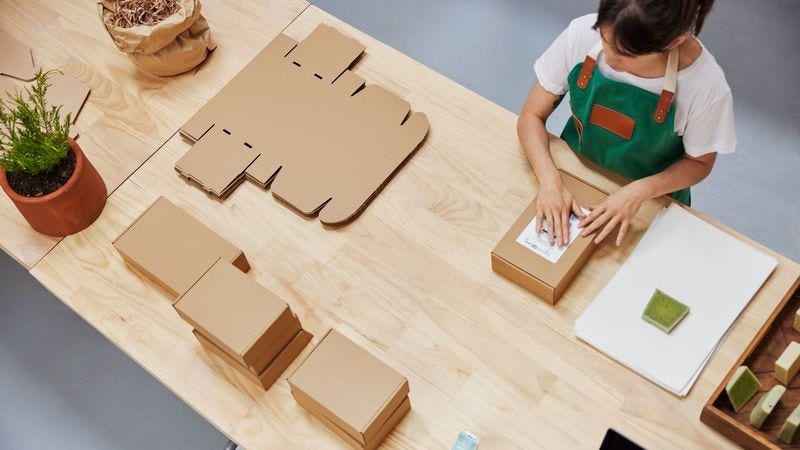
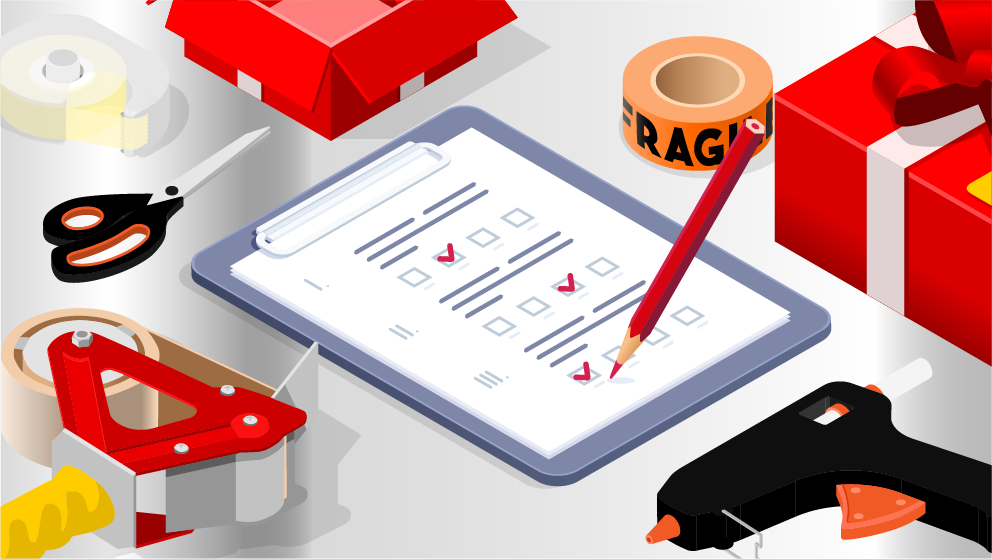
The physical preparation of your last-mile delivery solutions is the first line of defense against damage and delay. Therefore, to ensure that your goods are protected throughout the entire transit and handled quickly by courier teams, follow these packaging and labeling guidelines:
- Choose sturdy boxes appropriate for the size and weight of the items being shipped. The container must be able to withstand the rigors of long-distance transport, especially when the shipment involves sending parcels from an overseas location.
- Utilize internal cushioning materials like foam, bubble wrap, or packing peanuts to fill empty space and prevent items from shifting, which is vital for safe final-mile shipping.
- With proper sealing, you can prevent accidental opening or tampering. So, seal all seams and edges of the package using strong, pressure-sensitive tape.
- Attach clear, durable labels with all necessary information, including a clear, complete recipient name, physical address (including the zip code), and a reliable contact phone number.
- For fragile items, apply appropriate handling stickers or markings to alert courier personnel to the need for special care.
Managing customer expectations
Success in last-mile delivery in logistics is often measured by the customer experience, making transparent communication as vital as physical delivery speed. To build customer trust and secure long-term loyalty, you need to set realistic expectations and keep customers informed.
- Communicate Realistic Delivery Timelines: Be transparent about estimated delivery windows, especially for remote or rural areas in Cambodia, where transit times may be longer. To maintain credibility, avoid overpromising speed.
- Provide Proactive Shipment Updates: Use automated notifications, such as SMS or email, to inform customers at key stages, including when the shipment is collected, in transit, and out for delivery. By providing this visibility, you can reduce your customers’ anxiety about their packages.
- Establish a Clear Inquiry Process: Ensure customers know exactly how to contact you or the carrier when they have questions about their last-mile delivery.
- Handle Issues Quickly and Fairly: If a delay or issue occurs, notify the customer immediately, apologize sincerely, and provide a clear plan of action for resolution.
- Offer Delivery Flexibility: Where possible, give customers options for preferred delivery times or alternative drop-off locations to accommodate busy schedules and improve the delivery success rate.
Partnering with DHL Express for a competitive advantage
While internal strategies are crucial, fine-tuning the last stage of transport requires reliable external support. For a growing garment exporter, a handicraft e-commerce shop, or a seller of local agricultural products, scaling often hinges on reliable delivery.
This is where partnering with a specialist in international logistics becomes vital for any small business. With DHL Express, you can access logistics solutions designed to formalize and streamline your entire shipping operation, turning chaotic processes into predictable, efficient workflows. By partnering with DHL Express when sending parcels locally or overseas, you can enjoy several benefits, including:
- Extensive Network: DHL Express’s vast reach extends well beyond Phnom Penh and major highways, ensuring reliable rural delivery is possible across every province and corner of Cambodia.
- Digital Tools: Advanced tracking and digital platforms provide you and your customers with real-time visibility, streamlining the delivery process and making complex global movements easy to monitor.
- Local Expertise: Local teams possess the critical, on-the-ground knowledge needed to navigate complex local addresses and customs regulations with ease, significantly reducing the common roadblocks in last-mile delivery.
Small business delivery redefined
Usually, the reputation of a small business is forged in the final handover of the product to the customer. Therefore, it’s essential to streamline your shipping processes, especially when you’re dealing with the unique challenges of urban and rural deliveries in Cambodia.
By combining proactive internal strategies with external logistics assistance, you can transform shipping issues into growth opportunities for your small business through a robust last-mile delivery plan.
Ready to redefine your logistics and scale your business? Open a DHL Express business account today.
Share