Grow your business with the Discover newsletter
Logistics advice & insights straight to your inbox
Subscribe now


 Share
Share
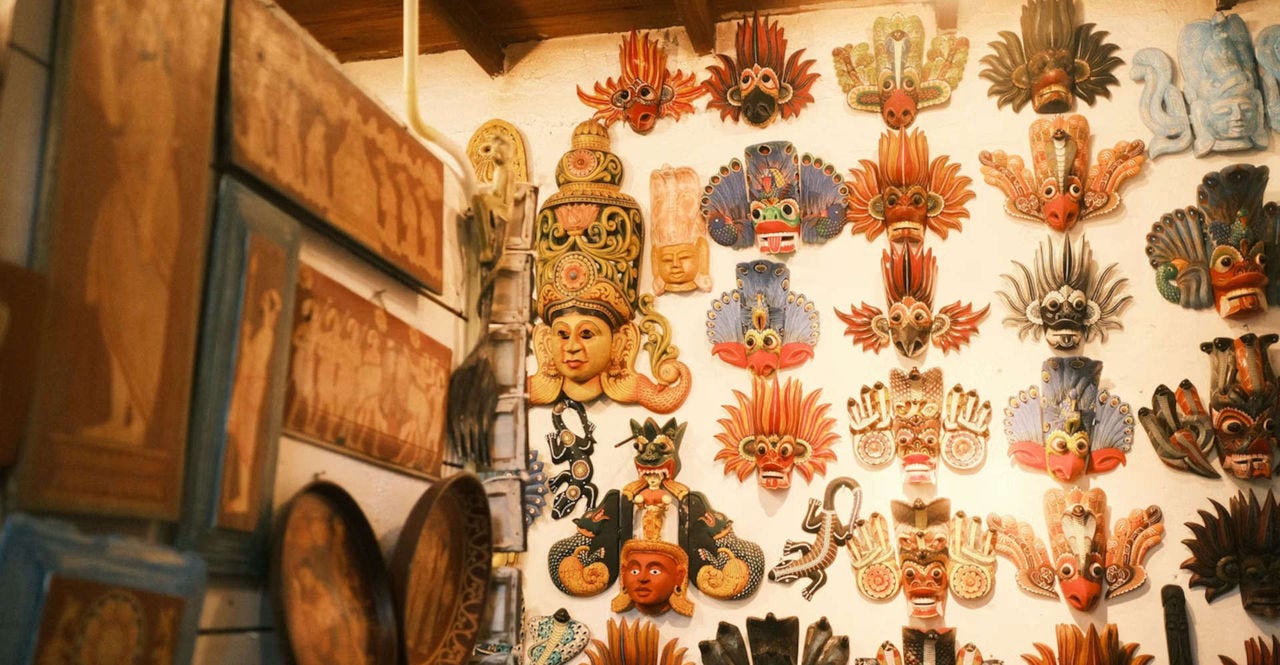
Sri Lanka's art scene is experiencing a renaissance. From the vibrant contemporary galleries of Colombo to independent artists working in studios across the island, Sri Lankan creatives are capturing international attention with their distinctive cultural narratives, exceptional craftsmanship, and fresh perspectives that blend tradition with modernity.
Today's artists and galleries aren't just creating for local audiences—they're selling to collectors in London and New York, participating in exhibitions in Singapore and Sydney, and fulfilling online art sales to buyers they've never met in person. The world is watching, and Sri Lankan art is ready for its global moment.
However, when it comes to shipping these artworks internationally, it involves more than simply packing a parcel and hoping for the best. Whether you're a gallery owner coordinating a shipment of paintings to a European exhibition or an independent artist sending your first sculpture to an overseas collector, success depends on three critical elements: careful handling, correct documentation, and reliable logistics partners who understand what you're shipping.
The international art world has discovered what Sri Lankans have always known: the island produces extraordinary artistic talent. Contemporary Sri Lankan artists are earning recognition for work that uniquely tells Sri Lankan stories while speaking to universal human experiences. Traditional forms are being reimagined through modern lenses, and the results are captivating collectors, curators, and institutions worldwide.
Interest is particularly strong from established art markets in Asia, Europe, the UK, Australia, and North America, with serious collectors and galleries actively seeking original, limited-edition, and handmade artworks that offer something different from mass-produced pieces. Sri Lankan art delivers that authenticity in abundance.
The growth of online art sales and virtual exhibitions has accelerated this trend dramatically. The global online art market, valued at US$10.6 billion in 2024 and projected to reach US$15.9 billion by 2030, has effectively dissolved the geographic barriers that once limited artists to local markets1. Today, an artist in Galle can reach a collector in Melbourne as easily as one in Mount Lavinia. The opportunities are unprecedented, and with the right logistics support, artists can confidently navigate the steps needed to reach these global markets.
If you're thinking about shipping your artwork overseas, it helps to know which markets are showing the strongest interest in Sri Lankan art. Here are some of the most popular destinations where artists and galleries are finding success:
UK & Europe: As powerhouses of the global art market, these countries are home to established gallery networks, sophisticated collectors, and strong institutional support for emerging artists. The UK's Commonwealth connections create natural cultural bridges that benefit Sri Lankan artists, while European buyers appreciate the fusion of Eastern and Western influences in contemporary Sri Lankan work.
Singapore & Hong Kong: Serving as regional art hubs with thriving gallery scenes and wealthy private collectors, the proximity of these markets is particularly attractive for Sri Lankan artists looking to establish their first international presence. The cultural familiarity and established trade links simplify the process of shipping art overseas to these destinations.
Australia: Offering cultural ties, a growing appetite for contemporary Asian art, and an accessible market for Sri Lankan artists, Australian collectors and galleries show genuine interest in work from the region, making it an ideal testing ground for artists venturing into international sales.
USA: The US represents an enormous opportunity, with demand spanning contemporary art, emerging artists, traditional forms, and everything in between. American collectors, museums, and galleries actively seek diverse voices, and Sri Lankan art fits that brief perfectly.
To successfully ship artwork internationally, it helps to understand what you're actually shipping from a regulatory perspective. Different types of art receive different treatment by customs authorities, so knowing how your work is classified makes the process smoother.
Artwork classifications vary depending on type. A canvas painting, a bronze sculpture, a limited-edition print, and a mixed-media installation may all require different approaches to documentation and declaration. Some of your pieces may be high-value, fragile, or genuinely one-of-a-kind, and all of these factors affect how your artwork can be shipped safely and how customs officials assess your shipment.
When preparing to export, you'll need to navigate two regulatory frameworks: Sri Lanka Customs regulations covering exports from the island, and the import rules of your destination country. Meeting both sets of requirements ensures smooth clearance at both ends and keeps your shipment moving without delays.
Certain categories may also warrant special attention. Antiques or culturally significant works may require additional permits from Sri Lankan authorities before export, and artworks incorporating specific materials—certain woods, ivory substitutes, semi-precious stones, or mixed media components—may trigger scrutiny or require certification. Understanding these requirements before you pack saves considerable stress later and keeps your shipments moving smoothly.
Once you understand the regulatory considerations, the next step is to gather the appropriate documentation. While paperwork might seem tedious, it's the foundation of successful customs clearance when shipping artwork internationally. Missing or incorrect documents cause delays, additional costs, and frustrated buyers. Getting it right from the start keeps your shipments moving smoothly.
After you've gathered the necessary documents, attention turns to the physical preparation of your artwork. Proper packaging is your artwork's first line of defense during its international journey, ensuring it arrives in pristine condition, protecting both your reputation and your client relationships.
Protecting the artwork
Different mediums require different approaches to packing artwork for shipping.
For paintings and prints, use acid-free tissue paper or glassine as the first layer of protection. This prevents chemical reactions and discoloration during transit. Never allow bubble wrap to contact painted surfaces directly, as it can stick or leave impressions.
Framed works, on the other hand, need bubble wrap and corner protectors. Frames are vulnerable points prone to impact damage, so reinforce corners with additional cardboard or foam corner guards, then wrap the entire piece in bubble wrap, securing it with tape.
Crating and packaging
For high-value sculptures, installations, or particularly fragile pieces, custom wooden crates are worth the investment. While they cost more than cardboard boxes, the cost of replacing damaged original artwork far exceeds the expense of proper crating. For many valuable pieces, professional crating is essential for protecting your investment.
Double-boxing offers excellent protection for smaller or medium-value works. The technique is straightforward: place your wrapped artwork in a box with adequate cushioning, then nest that box inside a larger box with additional padding between the two layers. This shock-absorbing buffer significantly reduces the risk of damage during handling and transit.
Moisture and climate protection
Sri Lanka's tropical climate means your artwork has adapted to higher humidity levels. When shipping internationally, sudden changes in climate during transit can cause warping, cracking, or mold growth. Protect against moisture damage by including silica gel desiccants in your sealed packaging. For particularly valuable shipments, moisture barrier bags inside your outer packaging provide an extra layer of climate control.
Labelling
Proper external labelling ensures that handlers treat your shipment with appropriate care. Clearly mark boxes with "FRAGILE - ORIGINAL ARTWORK" and "THIS WAY UP" orientation indicators where appropriate. Include a brief description that matches your customs documentation—for example, "Original Acrylic Painting on Canvas – Sri Lanka"—so everyone in the logistics chain understands what they're handling.
HS codes (Harmonized System codes) also help customs officials correctly classify your shipment and apply the appropriate duty rates. Common HS codes include 9701 for paintings and drawings, 9703 for original sculptures, and 9702 for original engravings and prints. Your shipping partner can advise on the correct code for your specific piece to ensure smooth customs processing2.
While shipping artwork internationally is entirely achievable, understanding common challenges helps you navigate them successfully. Even experienced artists and galleries encounter these situations, but with proper preparation, they're manageable.
Damage during transit remains the most frequent concern. Inadequate packaging, rough handling, or incorrect orientation during transport can devastate delicate artwork. One damaged shipment can destroy a client relationship or exhibition opportunity that took months to develop. Following the packaging guidelines outlined above can help significantly reduce this risk.
Beyond physical damage, artists navigate several logistical considerations. Customs delays can occur when artwork descriptions lack clarity, values appear questionable, or documentation is incomplete. These delays become particularly problematic when you're shipping artwork internationally to meet exhibition deadlines or collector expectations, where exhibitions open on fixed dates, auction houses operate on strict schedules, and gallery openings can't be postponed. The time-sensitive nature of these events means there's zero margin for error when shipping overseas. Adding to this complexity, uncertainty about duties and taxes can confuse overseas buyers about who pays what and when, potentially leading to abandoned purchases. Without proper tracking and delivery confirmation, you're essentially shipping blind, unable to answer when collectors or galleries ask where the artwork is, which affects both the logistics and the professional relationships you're working to build.
This is where reliable logistics partners transform shipping artwork from a source of stress into a manageable process. DHL Express Sri Lanka understands that artwork isn't ordinary cargo, and has developed services specifically to address the challenges artists and galleries face.
DHL’s express shipping combines speed with careful handling, meaning fewer handling points and a lower risk of damage to your work. Beyond the physical transit, DHL provides customs expertise to guide you through Sri Lankan export requirements and destination-country import regulations, helping reduce the delays that can derail time-sensitive shipments. Real-time tracking across a network of 220+ countries and territories also gives you end-to-end visibility from pickup to delivery, letting you track your artwork with peace of mind and confidently respond when collectors or galleries inquire about their shipment. This visibility extends to your buyers too: On-Demand Delivery gives overseas recipients control to reschedule or redirect shipments, eliminating the frustration of missed deliveries.
Whether you're shipping to Hong Kong or Stockholm, the same DHL Express standards apply everywhere, giving you confidence in every shipment. This global network can be accessed through MyDHL+, DHL’s digital platform that lets you book shipments, generate documentation, and track deliveries from your studio, streamlining the administrative side so you can focus on creating art.
International success is no longer reserved for established galleries and famous artists. Individual artists and small studios are reaching global audiences, building international collector bases, and participating in overseas exhibitions. The barriers have fallen.
What separates successful international artists from those who remain local isn't necessarily talent—it's confidence and knowledge in navigating logistics. When you know how to ship your art internationally, you can say yes to opportunities that once seemed impossible.
Ready to start shipping artwork internationally? Open a DHL Express business account today to access express shipping rates, streamlined documentation tools, and dedicated support for your art exports.
Share