Grow your business with the Discover newsletter
Logistics advice & insights straight to your inbox
Subscribe now

As global demand for digital services accelerates1, Sri Lanka’s export sector is emerging as a key driver of national growth2. However, in 2026, scaling a tech business beyond borders will depend on more than just high-quality code; it requires speed, reliability, and seamless global reach.
While the industry has historically focused on internal development, Sri Lanka's ICT service exports have now reached a tipping point, generating billions in foreign exchange and employing over 175,000 skilled professionals3. For any tech firm or BPO looking to capture a share of the ICT service exports market, understanding the intersection of digital innovation and operational excellence is the only way to scale confidently.
To compete effectively, businesses must first understand what ICT export is in the modern context. It’s no longer limited to simple data entry; it encompasses a sophisticated suite of digital and physical assets.
Today, the sector is broadly categorized into:
It’s a common misconception to view ICT exports as entirely "weightless." While the service itself is digital, the business model often depends on physical, cross-border operations. This includes deploying secure hardware, using an international delivery service for original legal contracts, and shipping prototypes, all of which require a firm grasp of how to classify goods for customs to avoid costly regulatory delays.
Sri Lanka’s key market appeal for its ICT exports is built on several value-driven pillars that allow local firms to punch above their weight on the global stage:
Strategic expansion requires targeting the right geographies. Currently, the growth of Sri Lanka's ICT exports is most visible in these high-value regions5:
Targeting these markets provides revenue stability and allows Sri Lankan firms to benchmark their services against the highest global standards.
The growth of Sri Lanka’s ICT service exports is being propelled by several converging global trends:
Despite the remarkable growth, the ICT export sector in Sri Lanka faces several challenges:
One of the most significant insights for modern tech firms is recognizing the role of logistics in ICT exports. While your code lives in the cloud, your business lives in the real world.
The function of logistics in ICT exports becomes critical when:
A tech firm that masters its physical supply chain demonstrates a level of professionalism that purely digital competitors often lack.
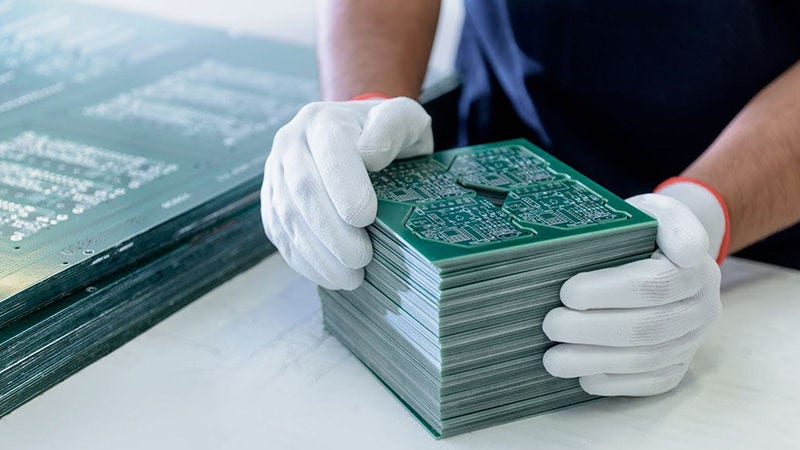
DHL Express is more than a courier; we’re a growth partner for the tech sector, providing the infrastructure to support your digital expansion.
We offer time-definite shipping to over 220 countries and territories. Whether it's an urgent contract or a replacement server, we ensure your physical assets move as fast as your data.
High-value tech hardware requires security. Our real-time tracking provides total transparency. By using professional packing materials for shipping, you ensure that your hardware arrives in "out-of-the-box" condition, every time.
Navigating global regulations is a major hurdle. We assist businesses in identifying the correct landed cost estimate so your clients aren't surprised by hidden duties, and we guide you through the complexities of customs documentation.
The future lies in moving up the value chain. We’re seeing a shift toward AI-driven platforms, specialized fintech and indigenous SaaS products that own the intellectual property rather than just providing man-hours.
Operational excellence will be the differentiator. As you scale into new markets, your choice of logistics partner becomes part of your brand promise. DHL Express is committed to supporting the next generation of Sri Lankan tech giants.
Open a business account with DHL Express today and leverage our global network to power your ICT export strategy.


 Share
Share