Grow your business with the Discover newsletter
Logistics advice & insights straight to your inbox
Subscribe now
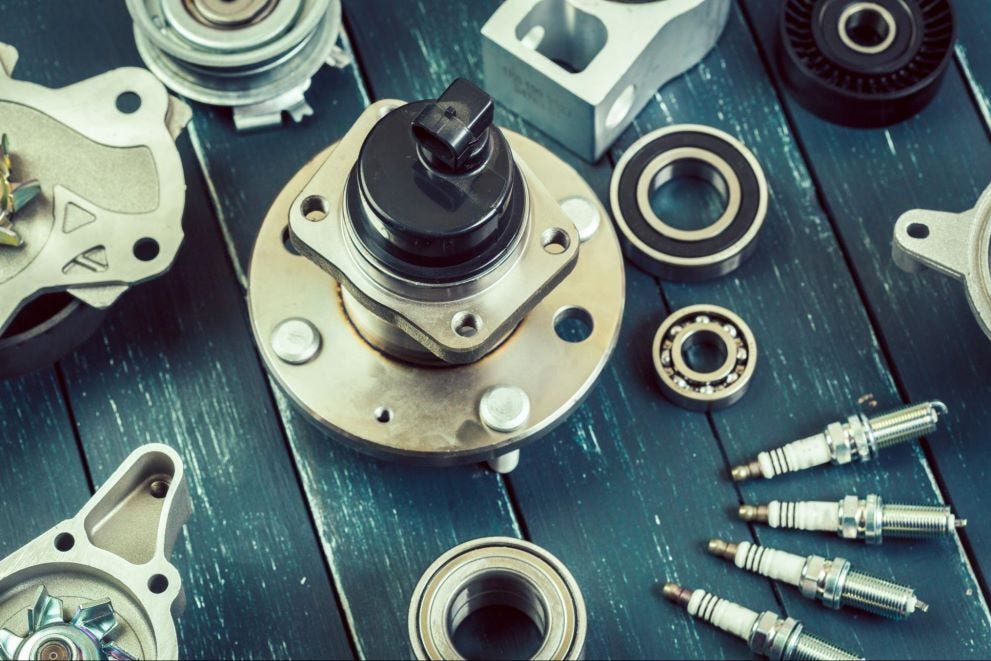
From routine vehicle maintenance and repairs to high-demand aftermarket replacements, Sri Lanka relies heavily on importing auto parts to sustain its domestic transport infrastructure. In 2023, the nation imported US$73.5 million worth of motor vehicle parts and accessories, becoming the 115th largest importer of these components globally1.
Commonly imported items include batteries, tires, brake systems, filters, rubber components, wiring, electronics, and various car accessories. These imports support vital fleet operations and commercial transport sectors, keeping everything from passenger cars to heavy-duty trucks on the road.
However, successfully importing car parts involves much more than just sourcing and pricing. Efficiently navigating customs compliance, understanding HS codes for automotive parts, and staying updated on fluctuating duties are all pivotal to a successful supply chain. These regulatory factors are critical for avoiding costly delays and unforeseen financial penalties that can impact an importer's bottom line.
This blog provides a comprehensive look at how to import car parts, covering the essential requirements and strategic steps. We will also explore how partnering with an experienced international shipping provider, such as DHL Express, can streamline this complex journey, ensuring your components arrive safely and on time.
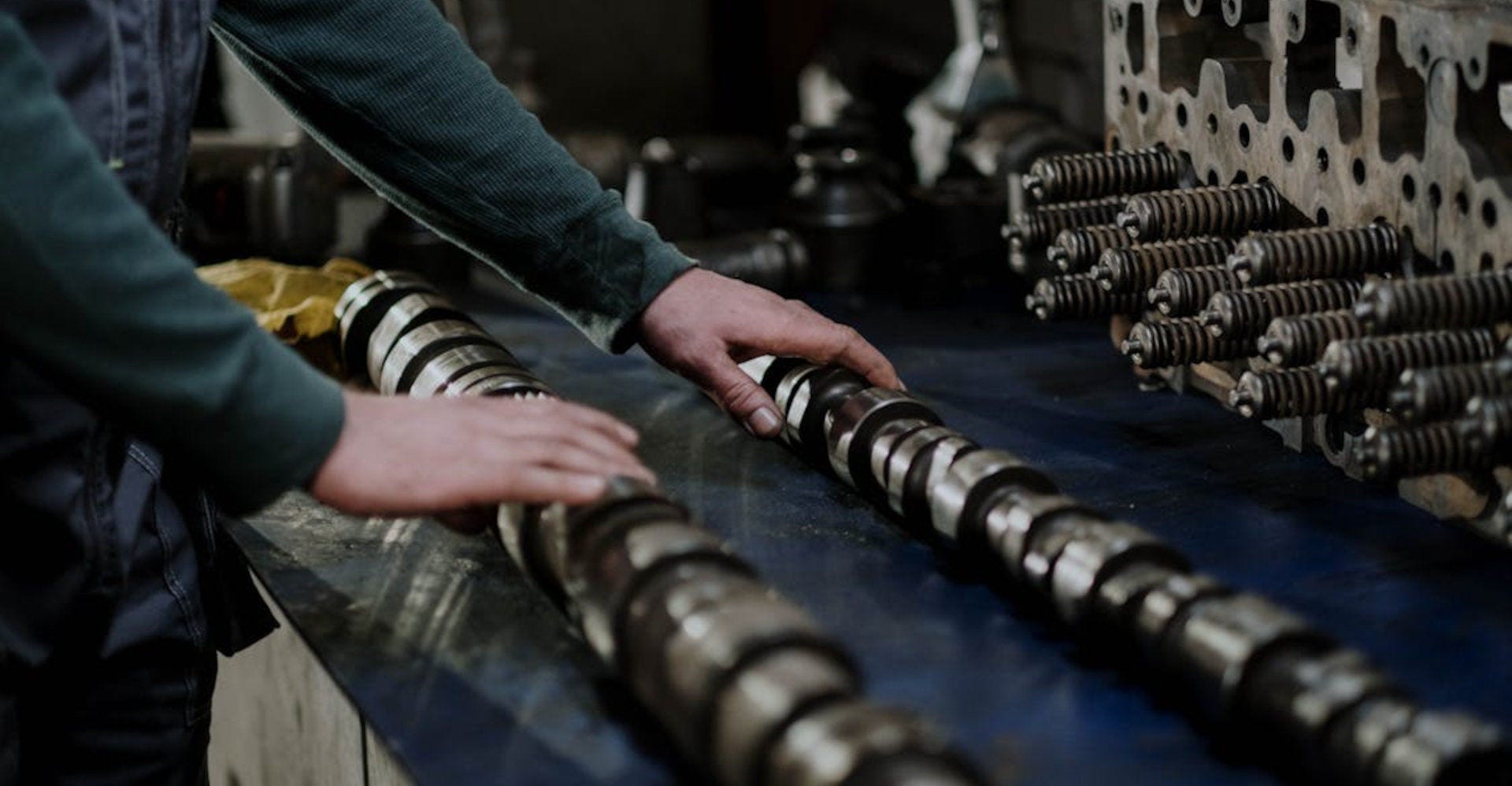
The primary driver of automotive parts imports is the limited domestic manufacturing capacity for specialized vehicle components. While Sri Lanka produces certain rubber-based parts locally, the high-tech precision engineering required for engines, transmissions, and advanced electronic control units necessitates sourcing from global manufacturers to ensure vehicle safety and performance.
Furthermore, global shipping allows local businesses to access competitive pricing and a much wider product variety than what is available domestically. By sourcing from diverse overseas suppliers, Sri Lankan importers can offer a broader range of high-quality Original Equipment Manufacturer (OEM) and aftermarket options to their customers, maintaining a competitive edge in the local market.
The growing demand for these parts is fueled by several key factors:
Additionally, there is growing interest in electric vehicle (EV) components, including specialized batteries and high-tech accessories. As Sri Lanka looks toward greener transport solutions, the need to import automotive parts tailored for EVs is becoming a significant market trend.
According to the latest 2023 reports from TrendEconomy2, Sri Lanka sources its automotive parts from several strategic hubs worldwide. Understanding these markets is vital when planning your import and shipping strategy:
All imported auto parts must comply strictly with Sri Lanka Customs regulations and Import Control Department rules where applicable. In this process, precision is paramount; every shipment must have an accurate classification and a transparent goods declaration to ensure it clears the border without legal or financial friction.
Requirements often vary based on the specific type of automotive part, its material composition (such as rubber, metal, or complex electronics), and whether the item is classified as regulated, restricted, or hazardous. For example, certain electronic components may require different clearances compared to standard mechanical gears.
To ensure you have the most up-to-date information and understand the specific permits required for your shipment, you should regularly consult the official Sri Lanka Customs regulations and the Department of Import and Export Control website.
When preparing to import car parts, having your paperwork in order is the most effective way to prevent transit bottlenecks. Here are the essential shipping documents required:
Duties and taxes in Sri Lanka are calculated based on the specific HS code, the declared value of the goods, and the country of origin. The importance of correct HS codes cannot be overstated; they are the universal language of customs and the primary tool for determining the applicable auto parts import tariff. Using the wrong code can lead to heavy fines or the seizure of goods.
Another significant challenge for many auto parts and car parts importers is failing to account for import taxes or import tariffs in their initial financial planning. This can lead to "sticker shock" regarding the final landed cost and significantly impact your bottom line. Beyond basic duties, importers must also factor in additional levies, such as the Social Security Contribution Levy (SSCL), which directly increases costs, to maintain accurate pricing and profit margins.
Navigating the complexities of importing car parts involves several hurdles that can disrupt your supply chain if not managed proactively. Here are the most common challenges that car parts and automotive accessory importers face:
DHL Express provides a comprehensive suite of services designed to help local businesses import automotive parts with ease. Our export and import expertise offers invaluable guidance on documentation and customs compliance, ensuring your paperwork is audit-ready. This includes assistance with tariff classifications, documentation for special permits, and accurate calculation of import duties.
With a global reach spanning over 220 countries and territories, we also facilitate seamless international shipping from China, India, and beyond. Furthermore, our specialized Dangerous Goods capability is essential for handling sensitive items like batteries and other regulated components.
Additionally, because speed and reliability are core to our service, express transit reduces handling risks and keeps your inventory moving. Importers also benefit from end-to-end visibility via real-time tracking, while digital tools like MyDHL+ simplify booking and paperwork management.
Efficiently importing auto parts is critical to keeping Sri Lanka's automotive ecosystem moving and ensuring businesses can meet their customers' needs. DHL Express is more than just a delivery provider; we are a long-term logistics partner dedicated to your growth and compliance.
Ready to streamline your supply chain and access expert customs support? Sign up for a DHL Express Business Account today and take the first step toward hassle-free international shipping.


 Share
Share