Nigeria’s participation in the Economic Community of West African States (ECOWAS) opens the door for imports of certain categories of goods from import duties.
For businesses bringing in capital equipment, medical supplies, pharmaceuticals, or renewable energy technology, this means you could pay zero percent duty under the ECOWAS Common External Tariff (CET). But what exactly qualifies, and what should you know before your shipment leaves the origin port? Let’s break it down.
The ECOWAS Five-Band Tariff (and Why Band 0 Matters)
ECOWAS member states, including Nigeria, use a five-band tariff system that assigns goods to different categories based on their role in the economy and society. The most attractive for importers? Band 0, reserved for zero-rated goods. These are items ECOWAS has identified as essential for public health, industrial progress, or economic growth.
Here’s a quick overview:
Band 0 (0% Duty): Essential social goods, capital equipment, medicines
Band 1 (5% Duty): Essential commodities, raw materials, select inputs
Band 2 (10% Duty): Intermediate goods
Band 3 (20% Duty): Consumer goods and finished products
Band 4 (35% Duty): Products from protected sectors
What Qualifies for Zero-Percent Duty?
Capital Equipment and Industrial Machinery
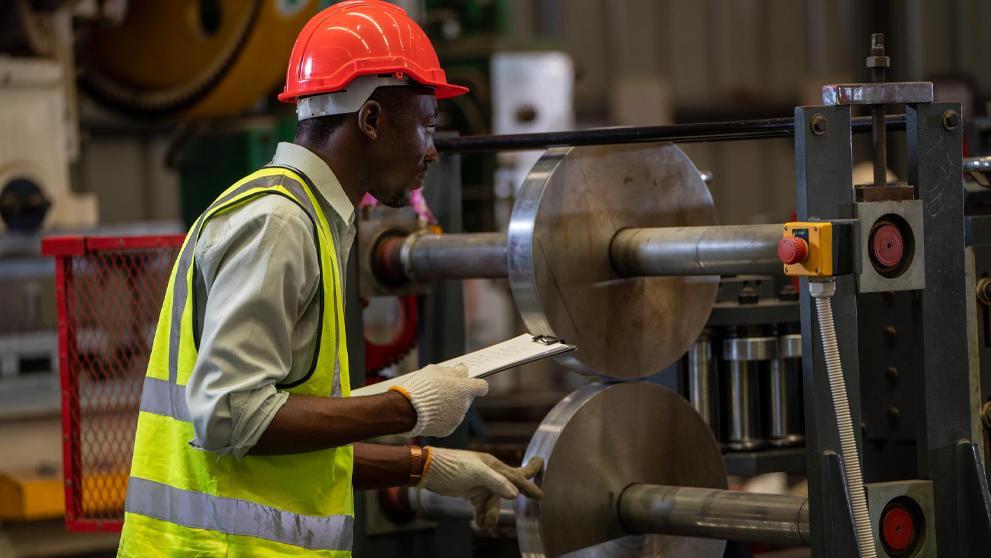
If you’re importing industrial machinery or manufacturing equipment that’s not produced locally in Nigeria, you’re in luck, these shipments qualify for zero import duty. Think production machinery, specialized tools, or equipment needed to launch or expand manufacturing. The goal? Lower the cost barrier for industrial investment and support Nigeria’s growth ambitions. A word of caution: This exemption only applies if there’s no local equivalent. If the equipment is made in Nigeria, the duty-free status may not apply.
Pharmaceuticals and Raw Materials
Bringing in finished pharmaceuticals or raw materials for drug manufacturing? If these products aren’t manufactured locally, they’re eligible for duty-free entry under the ECOWAS CET. The exemption extends to active ingredients, excipients, and even packaging materials, making it easier to support both healthcare access and the development of Nigeria’s pharmaceutical sector.
Medical Equipment and Devices
Essential medical equipment, everything from diagnostic machines to hospital beds and surgical instruments, enters Nigeria at zero duty. During public health emergencies, Nigeria has also issued temporary waivers for personal protective equipment, but keep in mind these are time-bound and outside the standard ECOWAS framework.
Renewable Energy Equipment
Solar panels are another clear winner: they enter Nigeria duty-free under the ECOWAS CET 2022–2027 (specifically under HS codes 8541.42.00.00 and 8541.43.00.00). Note that this exemption is strictly for the panels themselves, batteries and most solar accessories typically attract a 20% duty. Always double-check the HS code for each item in your shipment.
Important Considerations Before Shipping
Zero Duty Isn’t Zero Cost
Even when your goods qualify for zero duty, you’ll still encounter other charges at the border. Expect to pay:
Value Added Tax (VAT) at 7.5%
Customs processing fees
Port handling and storage charges
Additional statutory levies
Altogether, these can add 15–25% to your landed cost. Make sure to build these into your pricing from the outset.
Nigeria’s 2026 Fiscal Policy Measures introduced an Import Adjustment Tax on 192 specific tariff lines. That means a good may be classified as zero-rated under ECOWAS, but if it’s on the IAT list, you’ll still pay this additional tax. Always check your goods’ HS code against the latest IAT schedule before shipping. For most products, the IAT will be gradually phased out from January 2027 and fully eliminated by 2036, in line with Nigeria’s AfCFTA commitments. Notably, electric vehicles are exempt from the IAT under the 2026 measures.

Import Prohibitions Still Apply
A zero-duty classification doesn’t override Nigeria’s Import Prohibition List. The 2026 fiscal policy maintains bans on 17 specific goods from non-ECOWAS countries, regardless of tariff band. This includes items like purebred breeding cattle, maize starch, certain petroleum oils, and select agricultural products. Always verify your shipment against the current prohibition list, duty status is irrelevant if your goods can’t legally enter the country.
HS Code Accuracy Is Everything
Misclassifying your goods (even by accident) is the most common, and costly, error importers make. The wrong HS code can push your shipment into a higher tariff band, triggering duties, penalties, and clearance delays. Always confirm your product’s Harmonized System code and ECOWAS CET classification, and cross-check against the IAT schedule. When in doubt, reach out to the Nigeria Customs Service or work with a licensed customs broker for expert guidance.
How DHL Can Help with Zero-Rated Imports
Navigating duty exemptions demands more than just paperwork. It requires precise HS code classification, airtight documentation, and up-to-date knowledge of both ECOWAS CET and Nigeria’s evolving fiscal policies.
DHL’s customs brokerage professionals are experts in streamlining imports into Nigeria. We ensure your documentation is complete, your tariff classifications are accurate, and your clearance process runs smoothly, reducing your risk of costly mistakes or unnecessary delays.
For businesses importing zero-rated goods regularly, partnering with DHL means you get dedicated customs support, competitive shipping rates, and end-to-end visibility on every shipment. Ready to take the complexity out of your cross-border trade? Open a DHL business account and let our team handle the details, so you can focus on growing your business.


 Share
Share
Similar Stories