It is a plan to delay or reduce the payment of import taxes to keep more working capital in your business. This involves using government-approved schemes like the Deferred Payment Scheme or ensuring your product valuation is accurate.

The Liquidity Unlock: Moving from paying per shipment to a monthly deferred account can free up 15% to 25% of your working capital.
Interest-Free Credit: Schemes like the New Zealand Customs' Deferred Payment Scheme allow you to postpone paying duty and GST.
The Trusted Trader Advantage: Compliant exporters can gain streamlined border clearance through New Zealand's Secure Exports Scheme.
Digital Consolidation: Replacing individual invoices with one monthly statement reduces admin work by up to 40%.
Cash is the lifeblood of high-volume trade. Many businesses treat customs charges as a transactional expense that must be paid at the border before goods are released. This approach traps massive amounts of capital in a dead zone for weeks or months. In 2026, savvy Kiwi businesses are moving away from upfront payments to use strategic liquidity models instead.
Paying duties and GST at the border is an outdated model that drains your liquidity. When you pay these charges per shipment, that capital is unavailable for marketing or new product development until you actually sell the goods.
Cost of Capital: Upfront payments erode your profit margins over the financial year.
The Payment Window: Keeping your money for an extra month or more gives you a zero-interest credit line where local laws allow.
Trusted Trader Status: We help you prepare the documentation required to meet the standards for government programs that streamline customs processing.
Financial Lever: Shifting to monthly payments transforms customs from a bottleneck into a tool for growth.
We help you move away from paying per shipment so you can start paying per month. This keeps your funds in your bank account longer, improving your cash flow.
A duty deferment account is a facility offered by the New Zealand Customs Service that allows approved importers to clear goods immediately while delaying payment of duties and GST. These charges are then consolidated into a single monthly payment.
One Monthly Payment: Your accounts payable team handles just one payment to Customs instead of dozens.
Predictable Outgoings: Deferral makes it easier for your finance team to forecast cash needs, as payment is due on the 20th of the following month.
Better Audit Trail: Your monthly statement from Customs provides a clear view of your total tax liability for reporting.
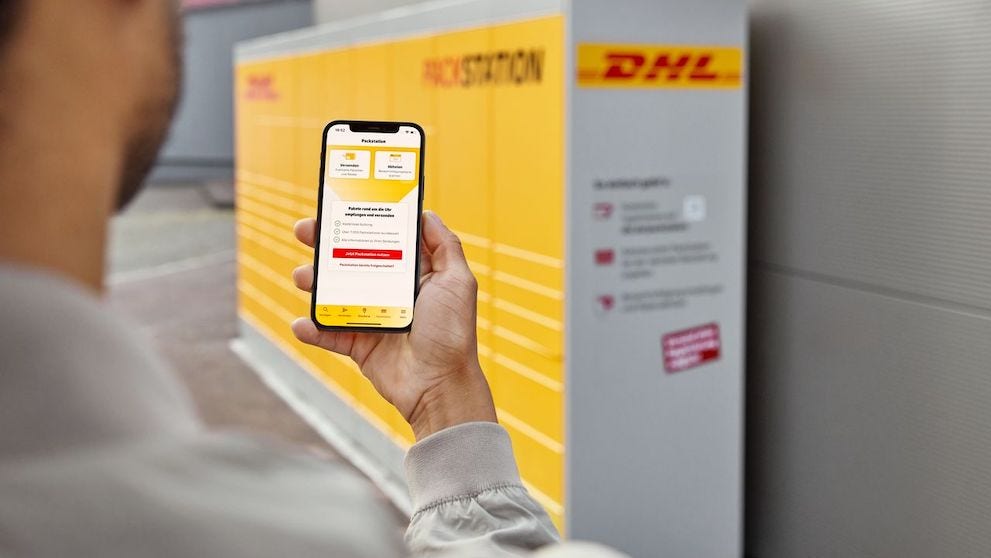
Digital Management: You can record your deferment account details in MyDHL+ to help your team track these movements seamlessly.
Consolidated billing is one of the most effective ways to manage a predictable cash flow. It simplifies your bookkeeping and protects your bank balance.
New Zealand provides a strong model for liquidity management through its Deferred Payment Scheme (DPS). Under traditional rules, you pay duties and GST at the border and then claim the GST back later in your tax return. This creates a significant cash flow gap.
Skip the Border Payment: The DPS allows you to defer all customs charges, including duty and GST, getting your goods cleared without an immediate cash outlay.
Keep Your Funds: This keeps money in your business for up to seven weeks, acting as a valuable, interest-free credit line.
Eligibility Rules: You must apply to the New Zealand Customs Service, and approval may require a bank guarantee depending on your credit history and how long you have been trading.
Brokerage Support: Our team in New Zealand can support your declarations by quoting your client code on your import entries, ensuring the charges are correctly applied to your deferred account.
In 2026, this system is a vital tool for any merchant shipping into New Zealand, from the Port of Auckland to Christchurch Airport.
Many markets are expanding benefits for compliant manufacturers and merchants. In New Zealand, this is achieved through the Secure Exports Scheme (SES), which is the local equivalent of the Authorised Economic Operator (AEO) programme.
Faster Clearance: SES partners are seen as low-risk, meaning fewer inspections and delays at both New Zealand and overseas borders.
Manufacturing Support: This is a major help for companies that need to process raw materials before seeing a return, as it provides greater certainty for supply chains.
Documentation Readiness: We can help you navigate the application process to ensure your internal supply chain security meets government standards.
Global Recognition: SES status is recognised by key trading partners like Australia, China, the US, and Japan, which can streamline your exports into those markets.
Access to these schemes helps you scale your operations with more predictable international shipping. We provide the brokerage expertise to help you achieve and maintain this trusted status.
Choosing between these terms is a constant balance between customer experience and your bank balance.
DDP for Growth: You pay the duties and taxes. This removes friction for the customer but requires you to have the cash ready upfront.
DAP for Liquidity: The customer pays the tax. This protects your balance but risks the customer refusing the delivery when they see the bill.
Strategic Switching: You can start a new market with DAP to protect cash and then switch to DDP once your volume grows.
Duty Payer Change: MyDHL+ allows you to change who pays the tax on a shipment-by-shipment basis depending on your account setup and local rules.
Using a strategic approach to these terms helps you enter new markets without over-stretching your capital. It is also critical to understand the compliance requirements of your export markets, as some food or natural products may need specific registration or labelling, which our advisory teams can assist with.
If you over-value your goods, you are giving the government an interest-free loan. A common mistake is including non-dutiable costs like international freight or insurance in the customs value.
FOB vs CIF: You must know if your local law follows a Free on Board or Cost, Insurance, and Freight model.
Separate Costs: We help you separate shipping fees to ensure you only pay tax on the physical goods.
Customs Audits: Our advisory services check your invoices to help you ensure your dutiable value is correct.
Local Rules: New Zealand uses a Free on Board (FOB) model for valuation. This means duty is calculated only on the cost of the goods sold, not on the cost of international shipping and insurance, which can prevent you from overpaying.
A variance of even 5% in valuation can lead to over $8,000 NZD in wasted tax payments over a single quarter.
Improving your duty and tax payments is a fast way to increase your returns. By moving away from transactional payments and using deferral, you turn your logistics into a source of liquidity. Speak to a DHL specialist today to check your payment strategy and keep your cash in your business.
It is a plan to delay or reduce the payment of import taxes to keep more working capital in your business. This involves using government-approved schemes like the Deferred Payment Scheme or ensuring your product valuation is accurate.
It allows approved importers to defer paying duties and GST when your goods arrive at the border. You settle all charges for the month with a single payment on the 20th of the following month, instead of paying for each shipment individually.
DDP means you pay the taxes, which is better for customers but uses your capital upfront. DAP means the customer pays the tax when the goods arrive, which protects your cash flow but may lead to higher return rates if the customer is surprised by the cost.
Yes, our brokerage teams can guide you through the requirements and help you prepare your documentation. This status, also known as AEO, is designed to show you have a secure supply chain, resulting in fewer border delays.
Yes, you can select the duty payer for each shipment. This feature depends on your account setup, the destination country, and whether the receiver accepts the charges.


 Share
Share