Saudi Made: A Practical Guide to Exporting Saudi Products to the World
For Saudi businesses, reaching international buyers can be a major step in growing their brands--and thanks to Vision 2030, an economic program intended to help grow Saudi Arabia's digital infrastructure and improve economic opportunities, there are incredible options for growth. However, before you can get started, it's important to take a careful look at all the elements that go into effective exports, including product compliance, accurate documentation, suitable packaging, and reliable delivery. If you're looking for a practical, step-by-step export readiness guide, we've compiled the information you need to prepare you for the future of your brand.
The Growing Global Demand for Saudi-Made Products
Saudi manufacturers, SMEs, and e-commerce sellers are increasingly looking beyond the domestic market for increased opportunity for their brands. Not only has production increased exponentially over the past several years as the government has endorsed programs intended to increase national opportunities, there is increased trust in Saudi-made brands. As a result, there are more opportunities than ever for small businesses and larger ones alike to expand their offerings.
If you're ready to expand your brand to an international market, start with a careful look at the options available to you before you get started. Assess demand, product regulations, landed cost, delivery expectations, and returns feasibility to get a better idea of whether the market is the right one for your brand.
How to Choose the Right First Export Market
You don't want to jump into a global market all at once. Instead, take a close look at what costs will look like and the practicality of expanding your brand. Compare nearby GCC markets with longer-distance markets at a practical level, including what actual costs will look like and how you can ensure a smooth consumer experience. Finally, compare B2B versus direct-to-consumer options to get a better idea of the best solutions for your unique brand, products, and preferences.
Getting Your Products Export-Ready
Before you expand your market and export to other countries, you must take a close look at your market and make sure your products are ready. For example, items like weapons or explosives are forbidden, while other products may have highly specific requirements that influence your ability to export them. In addition, look up country-of-origin requirements and destination requirements, since rules can vary based on both product and destination.
Packaging and Labeling Checklist
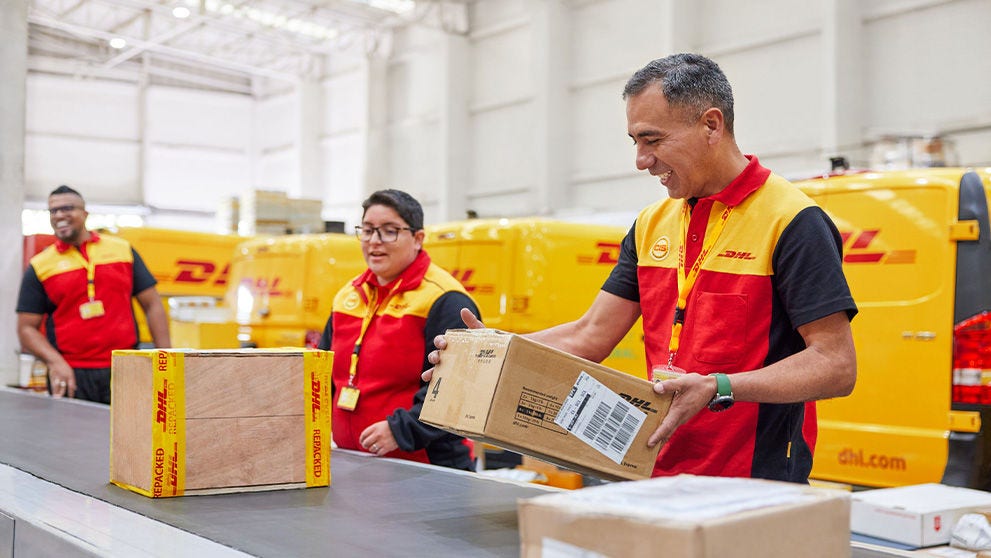
Correctly packaging your products makes the essential difference in the overall customer experience. Make sure that you:
- Include protection, whether that means packing material that can absorb some of the bumps and bangs of transportation or reinforced packaging
- Add void fill to prevent items from shifting during shipment, including air pillows, packing peanuts, and other simple options.
- Focus on tamper resistant packaging, especially for high-value shipments; check out options like security tape, security seals, and shrink bands to ensure that no one alters your products during shipment.
- Add your scannable shipping label
- Complete all receiver details
- Place handling marks where needed
By following this checklist, you ensure that you haven't missed any critical packing details--and that your goods are more likely to make it to their destination on time and intact. Check out our guide for specific packing instructions for the goods you're shipping.
Check Prohibited, Restricted and Dangerous Goods
Both national and international regulations govern export. If your product line contains these items, you may need to carefully review and follow any shipping regulations.
- Prohibited goods: Items that cannot be imported or exported at all, based on either international law or the laws of the country
- Restricted goods: Products that can only be shipped following specific regulations; in some cases, you may require preapproval for those products
- Dangerous goods: Items that can pose a danger during the shipping process, and which require special labeling or other protection for both private and commercial shipping
Check both Saudi rules and the destination import rules before booking your shipment, since you will be responsible for following all those requirements.
Use the Correct HS Code and Goods Description
HS codes and goods description matter immensely for customs treatment. They clearly establish what you are shipping, which can prove essential in moving those goods into the country or ensuring proper billing, including duties and customs fees. Make sure you include key details in your description, not just broad product categories, and that each shipment is properly classified. In Saudi Arabia, export customs procedures are overseen by the Zakat, Tax and Customs authority (ZATCA), so make sure your documentation meets ZATCA standards before your shipment is booked.
Clarify Duties, Taxes and Shipping Responsibilities
Buyer and seller should agree on who is responsible for duties and taxes before dispatch. A small business or e-commerce seller might need to clarify those expectations with the buyer. As your brand grows, you may choose to include that information on your website or as part of your shipping agreement.
Choosing the Best International Shipping Solution
As you expand to an international market, selecting the right shipping partner becomes increasingly critical. Evaluate the details that will matter most to your brand as you make that shift, including:
- Express shipping vs freight shipping by shipment size and urgency
- Customs support options
- Customer expectations and ability to meet them
Many factors may ultimately impact your choice, from the destination to the available delivery speed. You may also want to consider actual and volumetric weight of your average shipment and how that has the potential to impact your costs and delivery speed. In many cases, you may want to choose different solutions for some of your products: for example, you may want to select express shipping for shipments that are time-sensitive or require temperature control.
Tracking and Managing Delivery Exceptions
If you want to enhance the customer experience as they interact with your brand, tracking shipments and managing delivery expectations is a key part of the process. When customers are well-informed about possible delays and have full visibility into their shipments, it's often easier for them to temper their expectations and manage their needs. A quick response to customs queries can also go a long way toward improving the customer experience.
Growing Your Global Customer Base with Reliable Logistics
When you can offer accurate delivery promises, tracking, and dependable fulfillment, it often goes a long way toward enhancing customer trust and increasing the odds of repeat orders. Early shipping data can also help guide your expansion into additional markets, allowing your brand to continue to grow over time.
Plan International Returns Before Launch
Before you start your export expansion, make sure you take care of the critical details. Consider:
- Return eligibility
- Return costs
- Return addresses
- Customs documents
- Refund communication
By laying out that policy ahead of time, you can better prepare your business for the returns process and ensure higher levels of customer satisfaction.
Saudi Export Readiness Checklist
Is your brand ready to expand its market and export more items? Check these key details.
- Do your market research and know where your brand is best positioned to expand.
- Get to know product rules, from what products you can and can't export to specific requirements for your goods.
- Plan your packaging to maximize protection while decreasing weight and size.
- Collect the right permits.
- Create a customer invoice that clearly covers all requirements for exports.
- Learn how to manage HS codes.
- Properly label all packages.
- Establish duty responsibility.
- Choose the right shipping service.
- Establish your returns policy.
- Manage tracking for all orders and stay in communication with customers as needed.
Once you've completed these steps, you're ready for your early international shipments. Over time, as you refine the process, you'll find that your business is better positioned to expand into those new markets.
Select an International Shipping Provider You Can Trust
Expanding into an international market is a big step for your Saudi business. From conducting market research ahead of time to choosing the right shipping provider, doing your due diligence before you begin international exports can help you accomplish your goals and grow your brand. If you're ready to find a shipping provider for your exports, reach out to obtain a live rate and transit-time quote. As your business expands, inquire about a DHL Express business account and learn how we can help you manage your exports while providing a quality customer experience.


 Share
Similar Stories