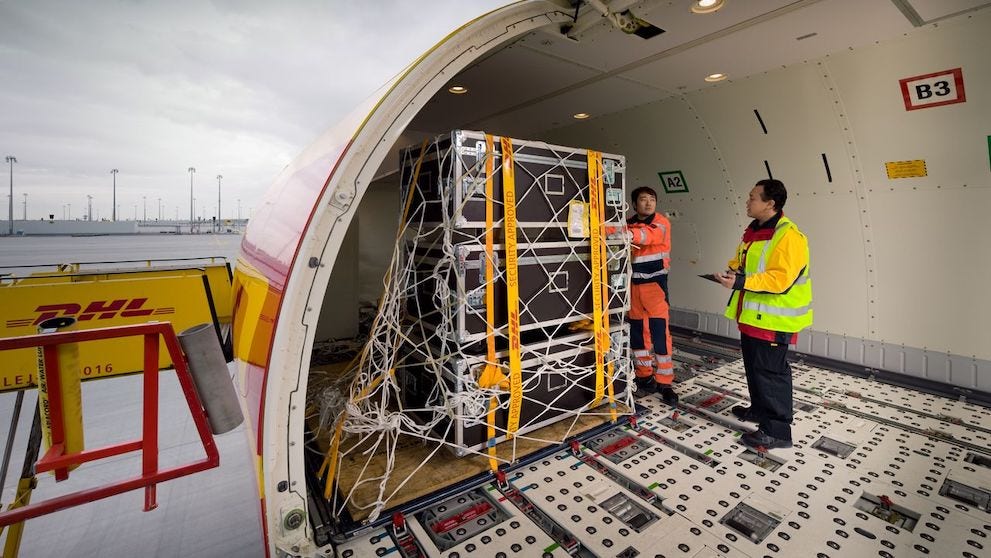
Sensitive sensors and optical lasers can lose alignment from even minor vibrations in transit. A shift of a fraction of a millimetre can lead to expensive recalibration the moment the equipment arrives at your facility.
How DHL Express protects your equipment in transit
We handle components with built-in lithium battery backup cells, following IATA Dangerous Goods regulations like PI967 and PI970 Section II (subject to contractual agreement). These rules stipulate the exact safety requirements needed for high-capacity power units, ensuring they are transported securely through our network.
The three biggest hazards in transit
- Continuous Shaking: Engine vibrations during standard transit can shift high-resolution optical lasers out of alignment.
- Physical Shocks: Rough handling at cargo terminals can crack fragile programmable logic boards.
- Temperature Extremes: Sudden thermal changes in unpressurised holds can damage delicate microchips.
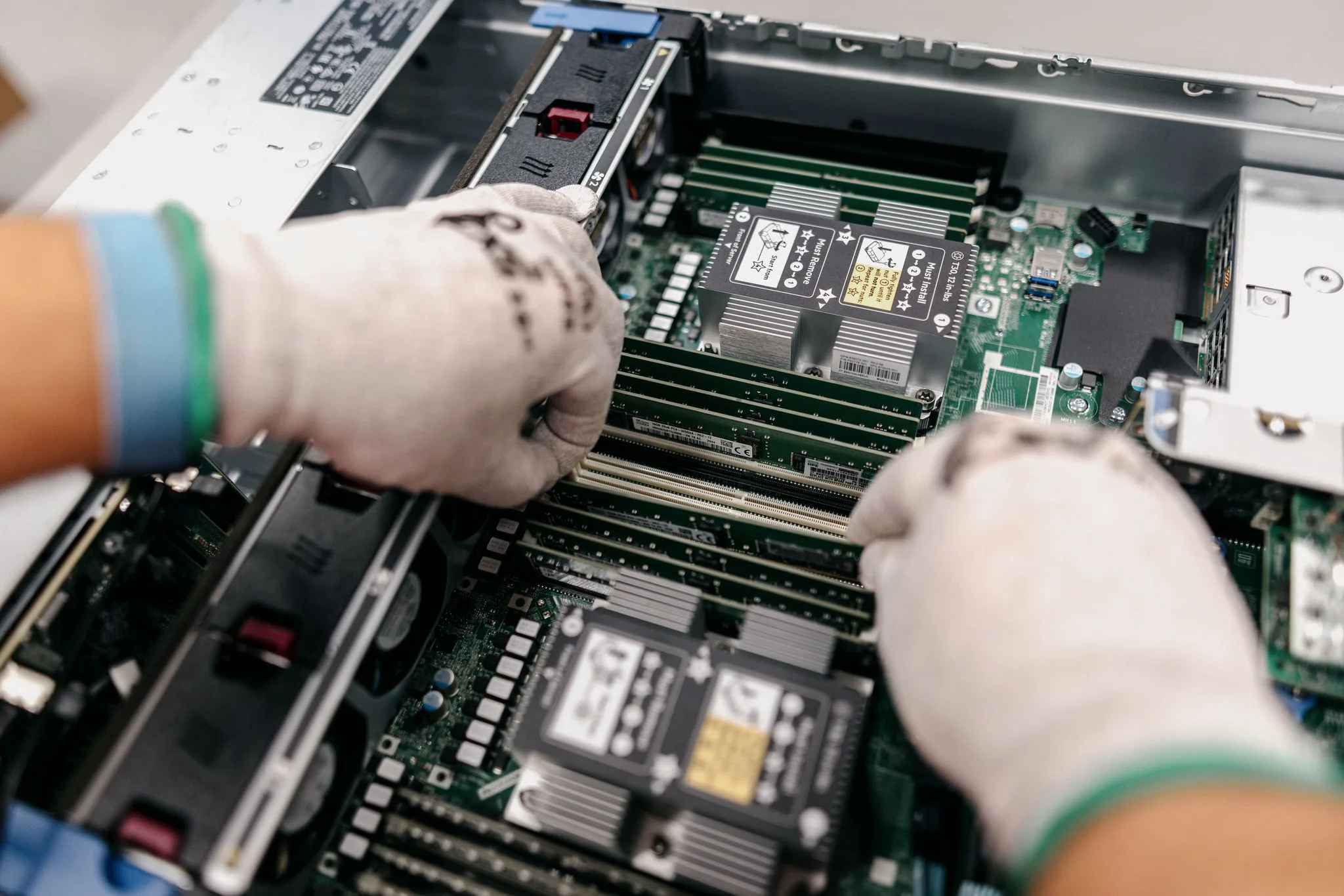
Programmable logic boards require minimal movement. Our fast express routes involve fewer handling steps, which reduces the chance of damage along the way.
Why does automation speed differ by region?
The urgency for automation is often linked to local workforce dynamics. High-wage economies use robotics to address staffing gaps and enhance workplace safety, while fast-growing industrial centres use the same technology to increase output and maintain production consistency.
How DHL Express keeps your rollout on schedule
Fast air shipping keeps critical assembly upgrades on schedule. With a service like DHL Express 12:00, missing processors or sensor kits can reach your engineers early in the day, so you avoid paying for idle hours on the factory floor.
How the three regional drivers compare
Regional Market Driver
| Primary Operational Priority
| Ideal Automation Solution
|
|---|
High Labour Costs
| Lower physical overheads and improve warehouse safety
| Automated Guided Vehicles (AGVs)
|
Personnel Shortages
| Maintain consistent operational capacity in key facilities
| Autonomous mobile picking systems
|
Volume Expansion
| Increase total daily production throughput and consistency
| High-speed multi-axis robotic arms
|
Setting up these lines requires a specific understanding of your local market. For Singapore, this means scaling high-value manufacturing capacity and overcoming skilled labour constraints. Manufacturing's share of the workforce in high-income countries is projected to fall from 11.4% to 8.3% by 2050, according to a Center for Global Development study, and automation is essential for filling that gap. Moving these systems by air helps your business stay ahead of that shift without pausing your production line.
Why do robots get held up at customs?