#b2bAdvice


 Share
Share
Logistics risk management: How to build a risk-optimized operation with express shipping
Share

From rising protectionism to volatile climate patterns, navigating today’s polycrisis landscape requires a fundamental shift in operational philosophy – from cost-centric models toward risk-optimized logistics.
As resilience becomes the primary competitive advantage, let’s explore how you can adopt proactive logistics risk management strategies to ensure long-term stability in the demanding global marketplace.
What is logistics risk management?
Logistics risk management is the methodical process of identifying, assessing, and mitigating potential disruptions within your transportation and distribution networks.
Unlike reactive models that scramble to address problems after they occur, this proactive approach anticipates shocks before they affect your bottom line, ensuring your operationals remain resilient to external volatility.
Objectives of logistics risk management
Effective risk management in logistics aims to create a predictable environment for global trade, despite broader supply chain disruptions. By integrating these strategies into your operations, you can achieve:
- Minimal delays: Proactively identifying potential bottlenecks early in the transit process helps your operations maintain steady momentum.
- Stability: Securing a consistent flow of goods prevents the bullwhip effect from causing exaggerated inventory fluctuations that paralyze production.
- Improved customer satisfaction: Ensuring that global buyers receive their products reliably and on schedule helps to keep customers happy and protect your brand promise.
Why is a logistics risk management strategy essential to your business?
A sound strategy is essential to mitigate risks in logistics that could otherwise derail your growth. By maintaining fulfillment and operational efficiency, you prevent common issues like mis-picks and transit failures from eroding your revenue.
Furthermore, in a competitive global market, reliability is the ultimate currency for customer retention. As such, a robust logistics risk management strategy ensures you consistently meet expectations despite unforeseen disruptions.
The 7 types of logistics risks
Identifying the specific vulnerabilities within your network is the first step toward building resilience against the challenges of global logistics. Here are the seven most common types of logistics risks that businesses face:
- Physical infrastructure: These threats involve structural issues, such as overloaded ports or bridge failures, which sever critical corridors and impede the movement of shipments.
- Weather and natural disasters: Rising frequencies of typhoons and flash floods increasingly disrupt sea and air freight, demanding flexible rerouting to avoid delays.
- Operational and human resources: Localized labor shortages or unexpected driver strikes can halt road-heavy transport networks, causing significant backlogs for time-sensitive deliveries.
- Financial and business: Sudden price volatility, such as in international shipping rates, creates budgetary uncertainty that potentially erodes profit margins.
- Cybersecurity: Targeted attacks on digital port systems or warehouse management software can compromise sensitive data and paralyze highly automated distribution centers.
- Geopolitical and trade: Sudden tariff adjustments or shifting rules of origin often necessitate rapid supply chain pivots to maintain compliance and avoid penalties.
- Equipment: Mechanical breakdowns, particularly within specialized cold-chain equipment, can lead to the loss of perishable inventory or delicate pharmaceutical products.
Types of risk management in logistics
Various types of risk management techniques are essential to ensure every facet of your logistics operations remains secure.
- Strategic: This involves high-level, long-term planning, such as diversifying warehouse locations across different regions to prevent a single point of failure.
- Warehousing and inventory: To keep your capital from being tied up in stagnant inventory, this type of risk management focuses on optimizing stock levels to prevent costly stockouts or wasteful overstocking.
- Transportation and carrier: Mitigating transit hazards by selecting reliable logistics services, such as DHL Express, whose vast network and expertise help you navigate complex global shipping routes.
- Compliance and regulatory: Ensuring strict adherence to international laws and customs accuracy to prevent expensive border seizures or legal penalties.
- Order fulfillment: This approach centers on improving internal accuracy during the picking and packing stages to eliminate shipping errors that diminish your brand’s reputation.
- Reverse logistics: By streamlining the returns process, effective reverse logistics recaptures value from rejected goods while minimizing the overall revenue loss associated with customer dissatisfaction.
How to build a risk-optimized logistics operation
Discover how to effectively mitigate various risks in logistics from broader supply chain disruptions by implementing a structured, proactive framework for your business.
1. Diversify your fulfillment network
Relying on a single distribution center leaves you open to the risk of single-point failure, where a localized disaster or strike can paralyze operations.
Instead, by distributing inventory across multiple regional hubs, you ensure that if one site goes down, others can absorb the load. This decentralization is a core logistics risk management tactic that maintains continuity.
2. Leverage data-driven inventory forecasting
Guesswork in inventory management often leads to costly stockouts or bloated overhead from overstocking.
Therefore, mitigate these risks by leveraging AI and historical data to predict market surges and seasonal shifts more accurately.
This data-driven approach ensures you have sufficient stock in the right place at the right time, stabilizing your distribution against demand-side volatility.
3. Invest in warehouse automation and a WMS
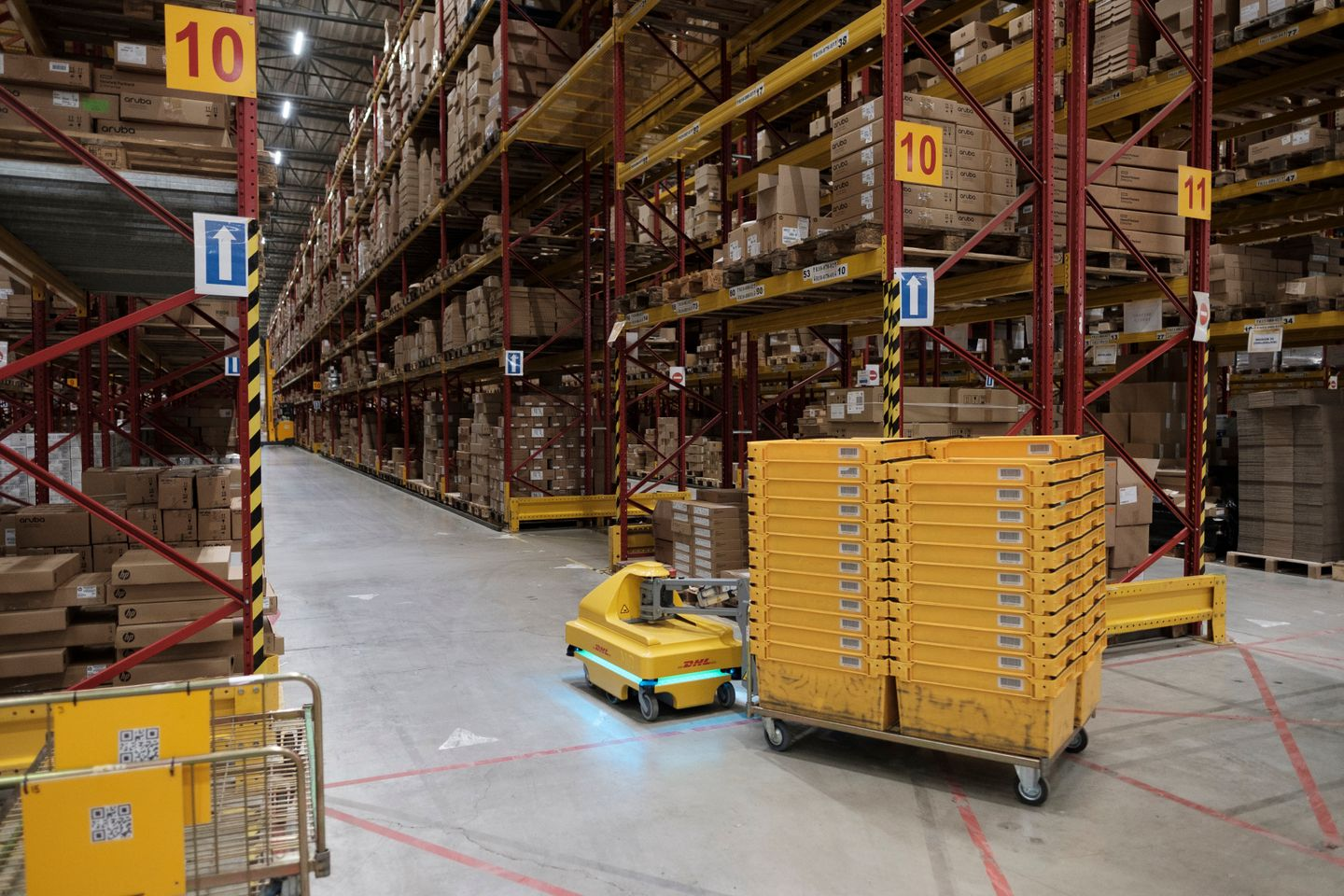
Incorporate mobile barcode scanning and a centralized Warehouse Management System (WMS) to eliminate human error and ensure fulfillment accuracy.
These digital tools provide real-time visibility into every item's movement, significantly reducing the risks of mis-picks or lost inventory.
Furthermore, automating these routine tasks makes your internal operations more resilient against operational failures that can derail international shipments.
4. Integrate risk alerting into planned shipments
Moving beyond static tracking allows you to anticipate issues like weather events, port strikes, or geopolitical shifts before they impact your shipments.
By using advanced monitoring tools that provide real-time risk alerts, you can proactively reroute planned shipments to avoid known trouble zones.
This agility is vital for maintaining a reliable schedule despite an increasingly unpredictable global environment.
5. Leverage express logistics to mitigate disruptions
Express logistics is a powerful tool for managing logistics risks from unforeseen disruptions along the supply chain.
- Real-time visibility: Express shipping offers end-to-end tracking, providing transparent data points via tools like DHL Express’s MyDHL+ platform. They allow you to monitor checkpoints and respond immediately to potential risks.
- Optimized routing: The agility of express networks to bypass major congestion zones is essential for responding effectively to sudden transportation risks and infrastructure failures.
- Speed: Express logistics services, such as DHL Express’s time-definite shipping options, act as ‘emergency lanes’ that ensure critical shipments arrive on time despite external delays.
Build resilience with DHL Express

Establishing a comprehensive logistics risk management plan is a fundamental pillar for sustainable business growth. By conducting a thorough risk assessment in your logistics operations, you can proactively identify vulnerabilities and implement a strategy that ensures your distribution network remains robust while scaling into new markets.
This level of preparation can significantly transform your logistics into a competitive advantage.
So, don't let the next global disruption catch you off guard. Open a DHL Express business account today to leverage our premier global express network, buffer your risks, and safeguard your long-term success.
Share