Overview
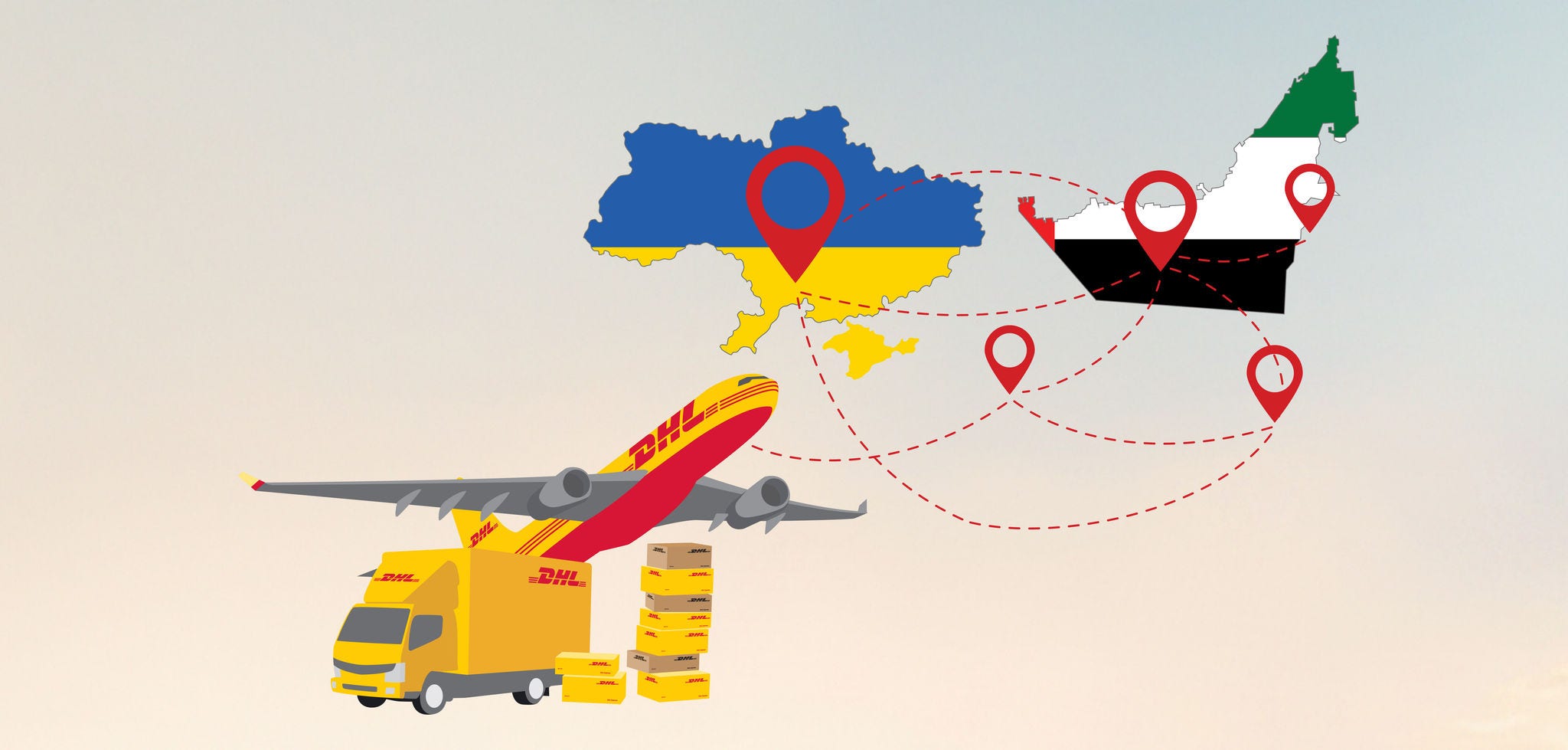
Since late February 2026, the Middle East has faced major disruptions in air freight and ocean shipping, impacting global supply chains and international trade.
The closure of the Strait of Hormuz has forced leading ocean carriers to suspend bookings to and from Arabian Gulf ports, while regional airspace restrictions have caused cargo flight rerouting and reduced air freight capacity.
For businesses relying on international shipping, logistics, and supply chain operations, these disruptions are creating new challenges in transit times, costs, and planning. Here’s what’s happening across the region and the key steps your business can take to adapt.
What’s changing in logistics right now
The current disruption is affecting ocean, air, and road shipping at the same time, making supply chains more challenging.
For ocean freight, ships are avoiding the Strait of Hormuz and rerouting via the Cape of Good Hope. This is increasing delivery times and raising fuel and insurance costs. Ports like Khor Fakkan, Sohar, and Jeddah are handling more cargo, but congestion is growing, with delays of up to 12 days and extra charges such as war risk and fuel surcharges.
In air freight, the UAE, Saudi Arabia, and Oman airspace remain open. Flights are gradually increasing, but schedules can still change due to ongoing disruptions.
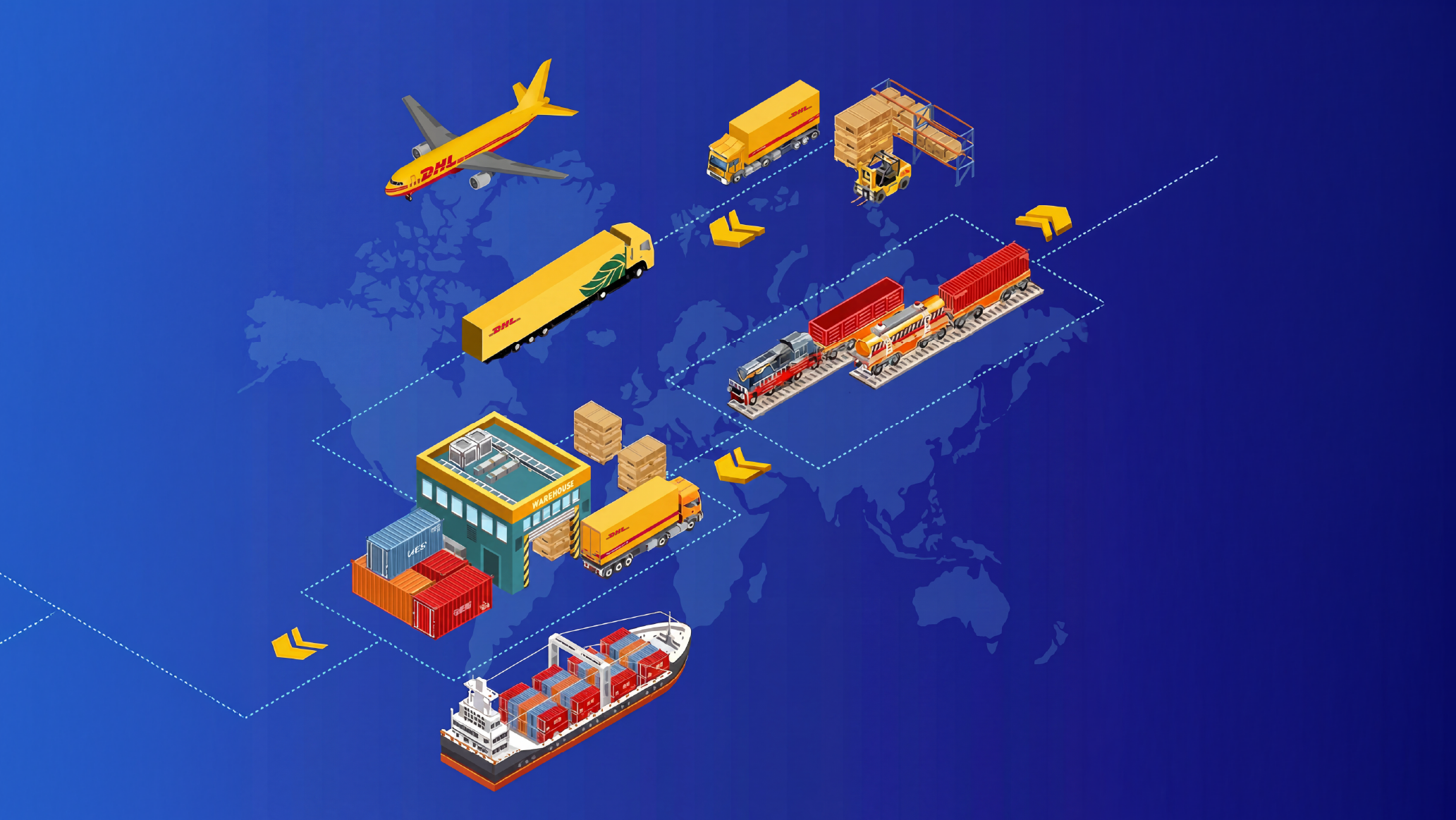
For road transport, GCC borders are open. Key routes like the Oman–Dubai corridor are still moving goods, supported by multimodal transport across the region.
What businesses should do now
Disruption doesn’t mean shipments have to stop. It means the way you prepare for them needs to change. Here’s where to put your focus:
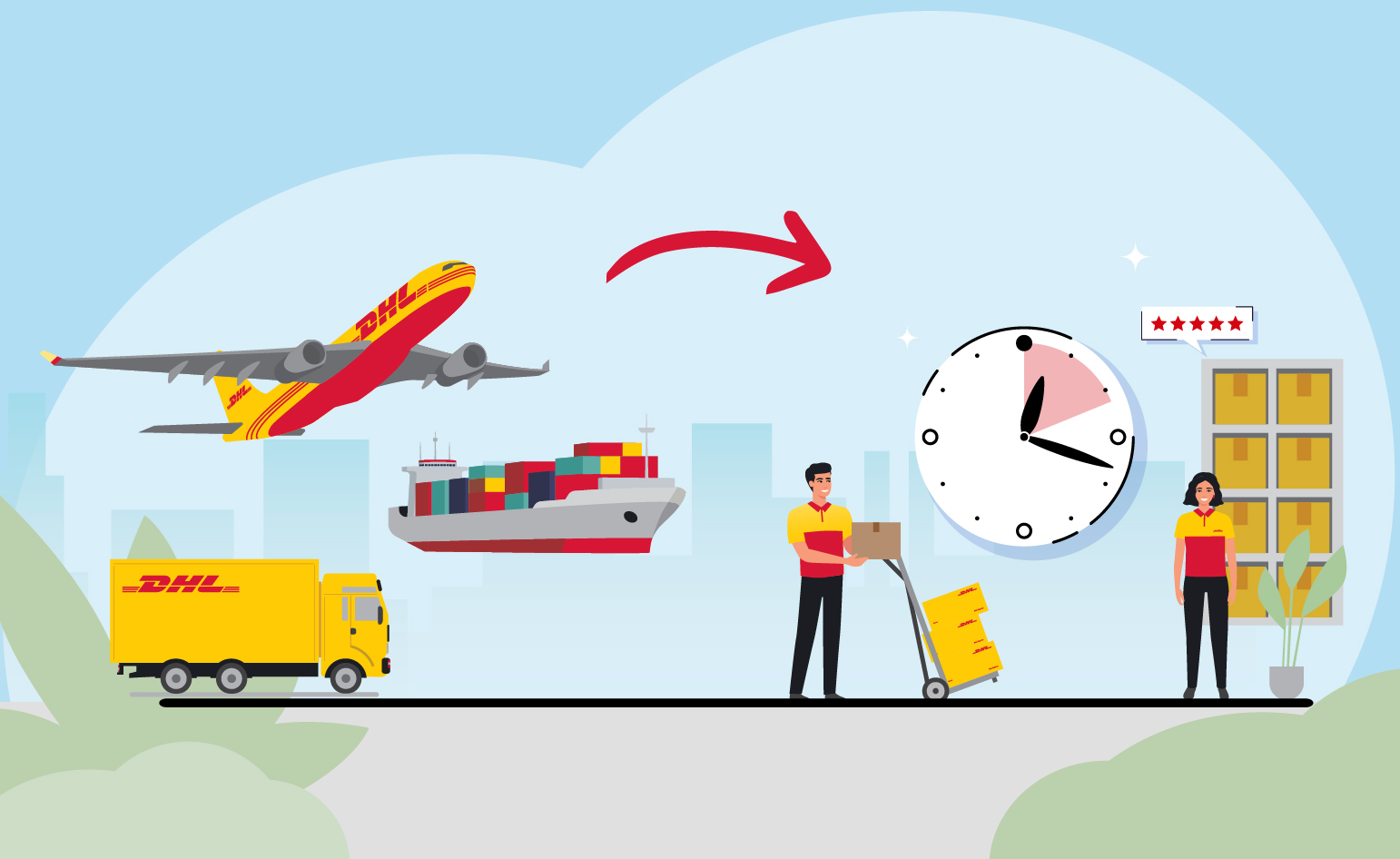
1. Build more lead time into every shipment
Transit timelines are longer and less predictable right now. If you normally allow five days, plan for seven to ten. For ocean freight, factor in the possibility of port congestion and rerouting delays that could extend timelines further. Communicate adjusted delivery windows to your customers early; it’s better to set realistic expectations upfront than to manage complaints later.
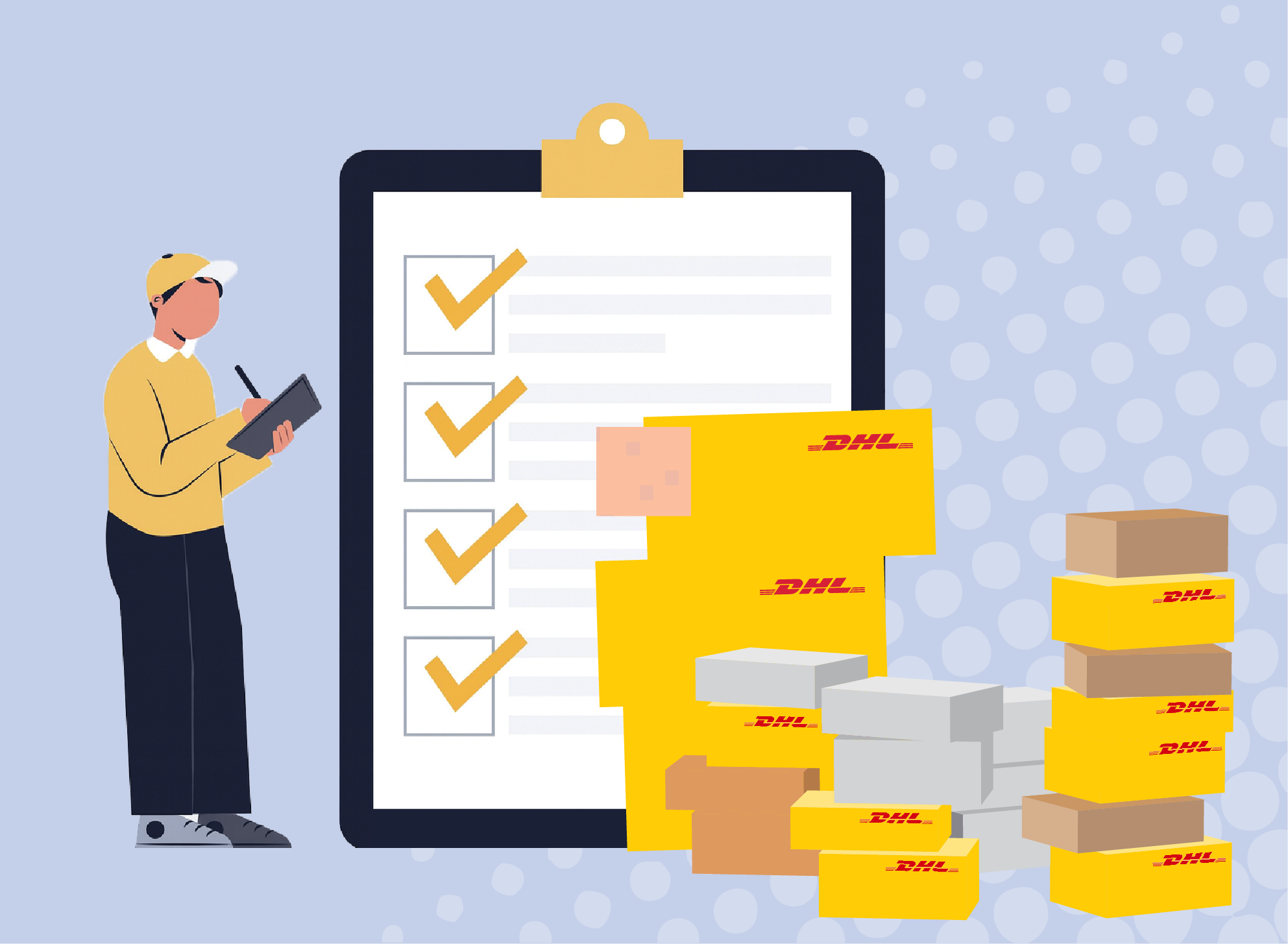
2. Double-check your documentation before you ship
During periods of route changes and diverted cargo, incomplete paperwork is one of the fastest ways to lose time. Ensure commercial invoices, packing lists, and customs declarations are accurate and complete. If your shipment is being rerouted through a secondary country, confirm whether an in-transit clause needs to be added to your documentation. Missing or incorrect documents can result in shipments being held or returned.
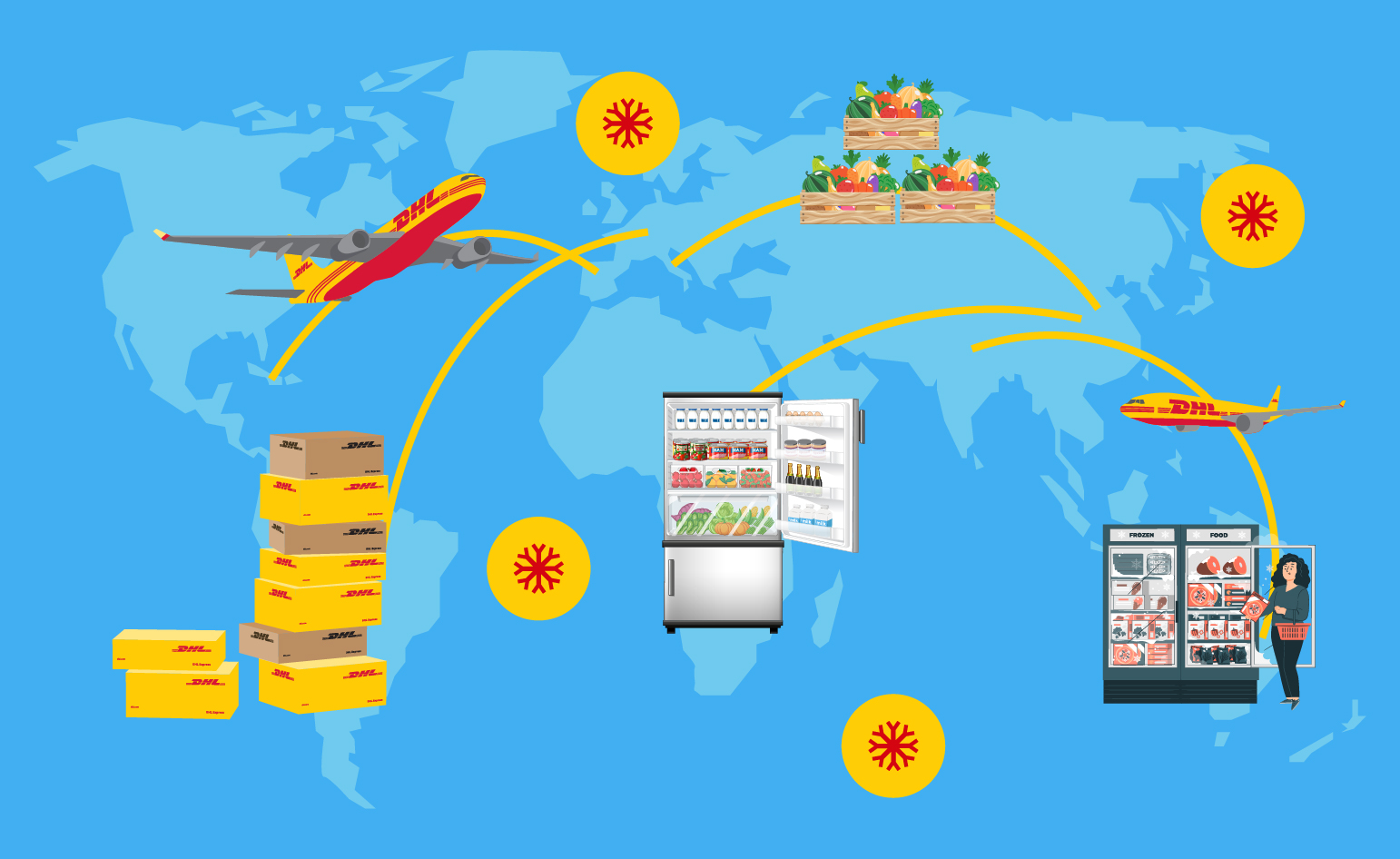
3. Understand what you’re shipping and where restrictions apply
Certain cargo categories like refrigerated goods, perishables, and special cargo face tighter restrictions right now as carriers limit what they will accept on rerouted services. Check with your logistics provider before booking to confirm whether your product category is affected.
4. Talk to your logistics provider, not just your tracking page
Automated tracking gives you a snapshot, but it doesn’t give you options. A conversation with your shipping partner can surface alternatives such as different routing, a multimodal option combining air and road, or a consolidation strategy that reduces cost while maintaining speed.
5. Review your inventory and reorder cycles
If your business depends on imports from or through the Gulf region, now is the time to assess buffer stock levels. Port congestions are expected to intensify over the coming weeks, which means lead times for replenishment could stretch further. Businesses that adjust reorder points now will be better insulated from stockouts later.
Who needs to plan for shipping disruptions now
These logistics disruptions are affecting many businesses across the supply chain. E-commerce sellers with time-sensitive international shipping should review delivery timelines and customer promises. Importers using Gulf trade routes should explore alternative sourcing and shipping options. Manufacturers moving urgent parts or samples need close coordination with logistics partners to avoid delays. Any business shipping to or through the region should communicate early with customers and manage delivery expectations.
Disruption is temporary. How you respond to it:
Disruption is not a new to global logistics, but its impact depends on how prepared businesses are to respond. Those that adapt early are better positioned to maintain continuity and protect customer relationships.
At DHL Express, we’re actively supporting businesses through these conditions by managing alternative routing, monitoring capacity changes, and ensuring customs processes remain aligned across shifting transit paths. Our teams work closely with customers to help anticipate oncoming challenges and identify practical solutions before they impact their operations.
If you’re reviewing how current conditions affect your shipments or if you want to put a contingency plan in place, speak with one of our shipping specialists. We’re here to help you plan ahead, even when conditions are uncertain.


 Share
Share
Similar Stories