Live broadcasts concentrate thousands of orders into a very small window, creating bottlenecks most warehouses aren't built for. Manual systems can't print labels fast enough to match that volume, and the backlog snowballs within minutes, not hours.


 Share
Share

Live stream shopping is already converting 5 to 10 times better than standard e-commerce. The brands moving fast enough to keep up are turning single broadcasts into their best sales days of the year. The ones still printing shipping labels by hand are watching that window close. This is how you build a shipping process that turns a live stream spike into a sales record, not a warehouse crisis.
Social commerce moves fast. Demand spikes hit in short, compressed bursts, which is nothing like the steady traffic of a standard online store.
A successful live broadcast can generate over a thousand sales in minutes: Tommy Hilfiger's live stream in China sold 1,300 hoodies to 14 million viewers. Industry-wide, live stream shopping events achieve 10-30% conversion rates, far higher than traditional e-commerce's 2-3% average.
Results like that are becoming the new benchmark for what a single broadcast can do for a growing Australian brand.
How the bottleneck actually builds
This sudden influx will crash your manual labelling system and stall your warehouse. If you're selling to buyers in key international markets such as New Zealand, the United States, and the UK, manual data entry becomes a bottleneck fast, especially when shipping from a major Australian hub.
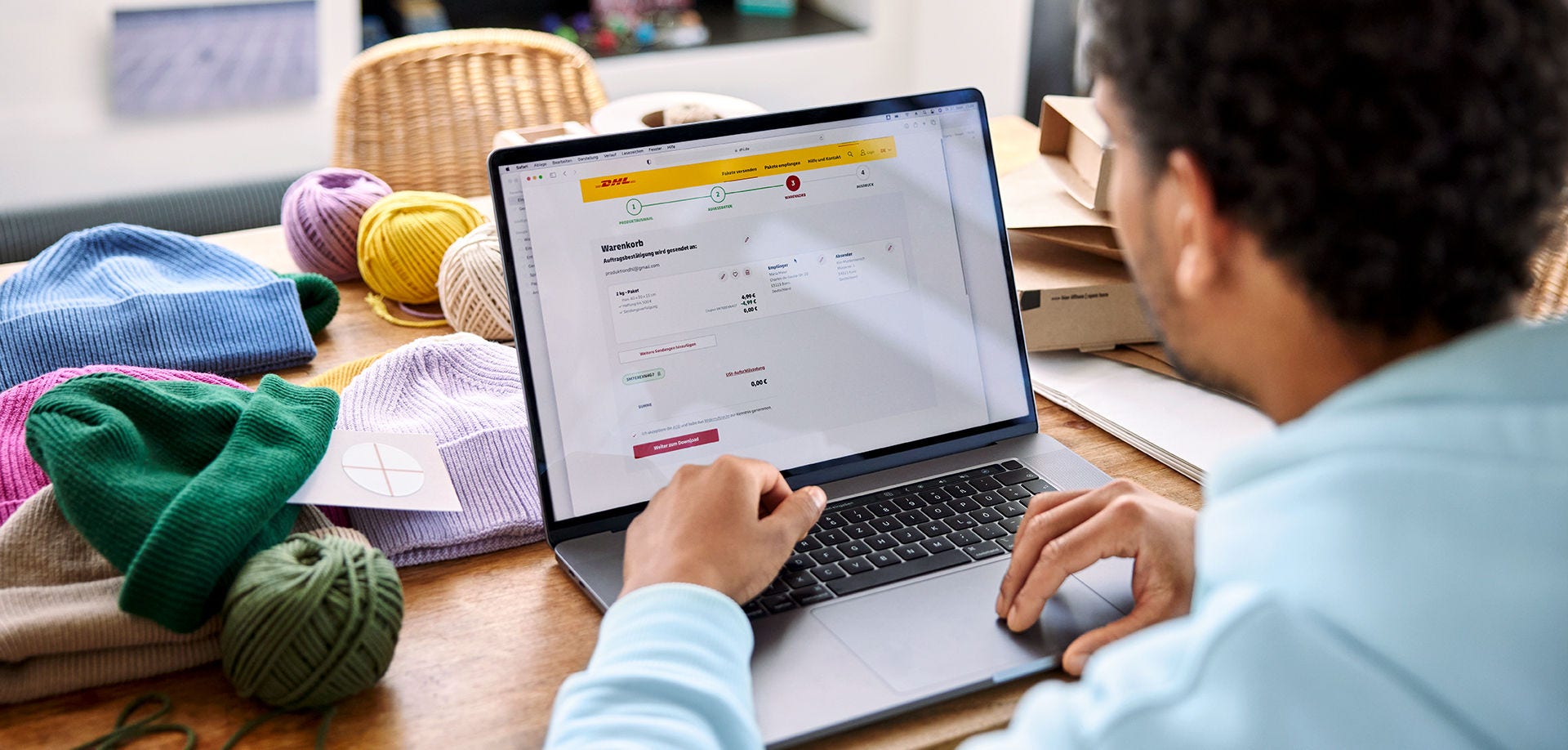
DHL Express Commerce integrations connect directly with popular platforms like Shopify, WooCommerce, and eBay to download transaction details automatically. This cuts out manual entry and lets your packing team start labelling parcels immediately.
Three operational challenges viral sales events create
These are the issues that catch warehouses off guard most often:
Here's how the two approaches compare:
Fulfilment Model | Order Processing Method | Scalability Rating | Peak Wave Vulnerability |
|---|---|---|---|
Manual Entry | Staff type addresses manually | Low | High risk of multi-day backlogs |
API Integrated | Direct software data sync | High | Low risk via instant label batches |

Manual data entry causes real delivery errors once order volume spikes during a live sale. When you sync your warehouse tools directly with your shipping platform, the system pulls transaction data straight from your storefront. It then prepares it for international transport without anyone touching a keyboard.
How MyDHL+ takes the manual work out of batch shipping
Using MyDHL+ lets high-volume sellers generate hundreds of international airway bills in one go. Your team skips the manual entry and focuses on picking and packing. When the next flash sale hits, your shipping pipeline keeps moving.
Three automated checkpoints in your fulfilment workflow
This is what happens automatically once an order comes in:
International orders face customs holds if commercial invoices lack clear product descriptions or accurate values. Customs authorities can halt packages with vague declarations. That backup during a peak sales event turns into border delays and unhappy buyers.
How pre-clearance keeps parcels moving
Our customs tools let cross-border merchants submit pre-clearance documents digitally before the flight even lands. This means customs officers can review and clear your e-commerce parcels while the aircraft is still in the air. Using our Duty Tax Paid service means you pay import fees upfront, which helps clear regulatory hurdles before the parcel even arrives at the border.
A single held parcel during a peak sales event can cost you over AUD 72 in expedited reshipping and customer service time. That adds up fast across a whole broadcast's worth of orders.
Three details customs checks first
Get these right and low-value parcels move through with far fewer hold-ups:
The de minimis threshold varies by country. For example, shipments to the United States valued under USD 800 can typically enter duty-free, a threshold confirmed by U.S. Customs and Border Protection. Capacity also tightens fast during major online sales events and peak holiday seasons, right when broadcast volume is highest.

First-time delivery failures lead to poor platform reviews, customer complaints, and a jump in support tickets. Social marketplace algorithms can quietly suppress your visibility in response. Keeping your delivery success rate high is what keeps your products visible on live streaming feeds in the first place.
How On Demand Delivery cuts failed drop-offs
On Demand Delivery lets recipients select their preferred delivery time or an alternate drop-off site, which reduces missed deliveries. Buyers get automated text alerts allowing them to redirect their package to a secure locker or a neighbour if they're not home. This flexibility cuts down on failed delivery attempts and creates a much better customer experience.
Three ways this protects your merchant status
A strong last-mile strategy pays off in more than one place:
Live stream commerce isn't slowing down. The sellers building the right shipping foundation now are the ones who will own this channel a year from now. We support that shift with tools like DHL Express Commerce for storefront integration, MyDHL+ for batch label generation, and On Demand Delivery for a smoother last mile.
Contact our trade specialists today to connect your digital storefront to DHL Express Commerce and get ahead of the next broadcast.
Live broadcasts concentrate thousands of orders into a very small window, creating bottlenecks most warehouses aren't built for. Manual systems can't print labels fast enough to match that volume, and the backlog snowballs within minutes, not hours.
DHL Express Commerce connects your online store directly to our international shipping network. It downloads buyer data automatically the moment an order comes in, so your team can print hundreds of compliant shipping labels at once without typing a single address by hand.
Every cross-border shipment needs a detailed commercial invoice with precise product descriptions, accurate item values, and correct HS codes. Submitting these digitally through our customs tools helps clear your documents before the plane even lands.
You can use our Duty Tax Paid billing option to charge import fees at your digital checkout and pay them directly to us. This prevents the courier from having to collect payment at the doorstep, which speeds up the final delivery.
The system sends automated text or email alerts directly to your buyers so they can manage their own delivery preferences. Recipients can easily choose a new delivery date, authorise a drop-off in a safe place, or route the parcel to a local collection point.
Share