

Shipping internationally? To ensure a smooth customs clearance process, it's essential to understand at least the basics of the paperwork involved. In this article, we’ll walk you through the key documents needed to clear customs, helping you avoid delays and get your goods to their destination on time.
What is customs clearance and why is it important for Brazilian exporters?
The customs clearance process is the official regulatory procedure that allows goods to legally enter or exit a country. For businesses running on e-commerce platforms like VTEX or Nuvemshop, international growth hinges entirely on accurate data submission and compliant documentation.
When you export goods from Brazil, you must provide a complete and accurate Commercial Invoice along with specific local declarations, such as the Declaração Única de Exportação (DU-E) processed via the Portal Siscomex.
Based on your commercial invoice, local tax registry data (like your CNPJ), and supporting paperwork, your customs broker or express carrier submits an official customs declaration. This document tells international authorities exactly what is leaving Brazil and what is entering their borders.
Failing to provide exact document matches can lead to severe consequences. The Receita Federal or destination customs officers can hold your shipment, flag it for physical inspection, or seize the cargo. For a growing SME, these errors lead to expensive storage fees, cancelled orders, and damaged customer trust.
What are the key export regulations Brazil requires for customs clearance?
To clear customs without delays when shipping internationally from Brazil, you must provide formal documentation that verifies what you are shipping, its monetary value, and its regulatory compliance. Each document serves as a verified data point for customs software and border agents.
The core documents required for standard Brazilian cross-border e-commerce and B2B exports include:
Commercial Invoice: The foundational document detailing the buyer, seller, transaction terms (Incoterms), and an explicit description of the commodities.
Air Waybill (AWB): The contract of carriage issued by your logistics provider that tracks the shipment and dictates its routing.
DU-E (Declaração Única de Exportação): The electronic declaration required by the Brazilian government to register and validate all outgoing commercial cargo.
Packing List: A detailed breakdown of the physical dimensions, weight, and packaging type of every item inside the shipment.
7 common customs clearance delays—and how to avoid them
According to data from SEBRAE, operational roadblocks and bureaucratic errors are among the primary reasons small and medium enterprises struggle with international trade. Avoid these seven critical pitfalls to keep your supply chain moving:

1. Incomplete or inaccurate documentation
Missing or mismatching details between your Commercial Invoice, AWB, and DU-E will trigger an immediate border hold. Ensure company names, addresses, and product itemization match perfectly across every electronic record.
2. Incorrect Tariff Classification Code(s)
Using the wrong Nomenclatura Comum do Mercosul (NCM) or international Harmonized System (HS) code distorts duty calculations and flags your shipment for manual review. Always use official government classification directories or digital tools like DHL’s MyGTS to confirm your tariff codes before generating your labels.

3. Undervaluing goods
Declaring an artificially low cargo value to reduce destination import taxes is an illegal practice that global customs authorities screen for automatically. Border agents use international pricing databases to spot under-declared goods, which results in heavy administrative fines, clearance blacklisting, and long logistics bottlenecks.

4. Non-compliance with international regulatory bodies
Failing to secure the necessary permits for restricted goods will stall your shipment permanently. Depending on what you export from Brazil, you may need pre-authorization or specific health certificates from local agencies like ANVISA (for cosmetics, supplements, or health products) or INMETRO (for industrial and consumer goods) prior to departure.

5. Unpaid duties or taxes
Customs authorities will hold incoming freight until all applicable regulatory fees, VAT, or local import taxes are paid in full. Determine your billing terms upfront—whether your customer pays duties on delivery (DDU/DAP) or you ship duties prepaid (DDP)—to avoid delivery abandonment.
6. Improper labeling or packaging
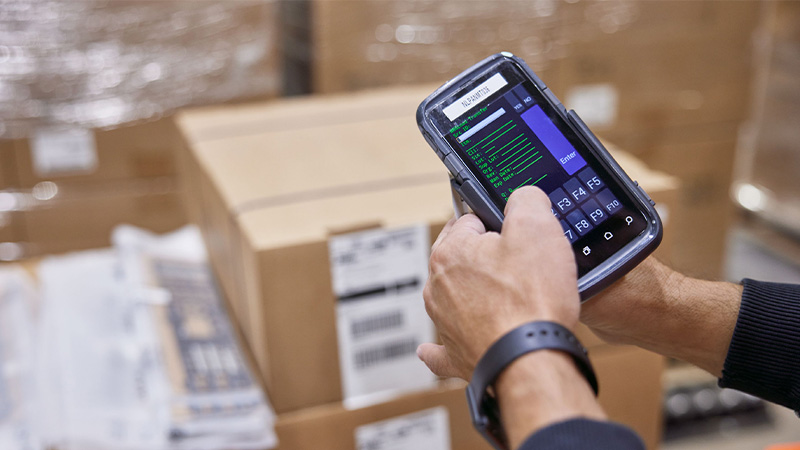
Unclear shipping labels or failing to display mandatory regulatory markings will delay your packages at the sorting terminal. If you are shipping hazardous materials, lithium batteries, or restricted organic goods, you must strictly follow international packaging rules and place visible, compliant warning labels on the exterior boxes.

7. Slow responses to customs queries
When the Receita Federal, destination customs, or your express carrier requests additional proof of payment or clear product specifications, the processing clock stops. Delays in providing answers can cause your shipments to be sent back or abandoned, so you should monitor your shipping dashboard daily.
How do temporary admissions work for Brazilian businesses?
Understanding temporary admissions is crucial if your business regularly moves expensive equipment, commercial samples, or promotional displays across borders without the intention of a permanent sale.
Temporary admissions allow eligible goods to enter a foreign country for a limited timeframe with a full or partial suspension of import duties and taxes. To qualify for this tax exemption, your business must guarantee that the items will not be sold, consumed, or permanently modified, and that they will be re-exported back to Brazil within the legally mandated period.
Temporary imports into Brazil
This setup applies when your business brings foreign goods into the country for short-term use, such as specialized machinery for an industrial project, international tools for engineering tests, or prototypes for a trade exhibition. These items must be registered under strict Receita Federal guidelines, must leave Brazil within the approved window, and cannot be sold on the local market without paying full retroactive duties and fines.
Temporary exports from Brazil
Temporary exports involve sending your equipment or products out of Brazil with a clear plan to bring them back home later. This is common practice when sending complex electronics abroad for specialized repairs, or shipping unique inventory to participate in global trade fairs. To prevent your business from paying steep import duties when your own equipment returns to Brazil, you must formally document the temporary nature of the export through the Portal Siscomex prior to shipping.
Why should you use an ATA Carnet for international shipping?
An ATA Carnet acts as an international passport for your cargo, allowing your company to move eligible items across borders without paying standard import duties or domestic taxes.
Accepted in over 80 countries globally—and fully integrated into Brazil's customs framework via the National Confederation of Industry (CNI)—the ATA Carnet streamlines the border-crossing process for specific use cases. It allows your team to travel with professional equipment, commercial samples, or trade show booths across multiple jurisdictions using a single, standardized document valid for up to one year.
Important Note: Not all commercial inventory is eligible for this process. Consumable items, agricultural products, and goods intended for sale or disposal cannot use an ATA Carnet and must undergo standard, permanent import and export workflows.
Customs clearance & restrictions
Navigate the customs clearance process with DHL. Learn about essential documents like invoices, packing lists, and ATA Carnets for temporary imports/exports.
Get expert support for your import and export process
To simplify your cross-border operations and avoid costly compliance errors, DHL Express provides MyGTS (My Global Trade Services). This free, intuitive digital platform helps Brazilian businesses navigate complex international trade rules with confidence.
By logging into your DHL Express Business Account, you gain access to powerful planning tools designed to optimize your shipping strategy:
Pre-shipment planner: A compliance module to help your business review current import and export regulations before your packages leave the warehouse.
Tariff Classification Support: Easily search for correct HS and NCM codes using guided keywords or interactive directories to ensure accurate duty calculations.
Landed Cost calculator: Estimate total shipping fees, duties, and foreign taxes upfront to optimize your global pricing strategy and provide complete breakdown transparency to your customers.
Customs documentation templates: Access correct formats and required paperwork examples for your destination markets, helping your team complete documentation correctly on the first attempt.
It’s essential that you keep up to date with the import and export regulatory requirements of the countries where you ship from/to, and consult with customs experts or legal advisors when necessary to ensure compliance with the regulations.
Enjoy fast and easy international shipping with DHL Express.
Open a DHL Express Business Account


 Share
Share