1 - FAO, 2021

The EU Deforestation Regulation (EUDR) is designed to prevent products associated with deforestation and forest degradation from entering, or being exported from, the EU market. It covers seven commodities – cattle, cocoa, coffee, oil palm, rubber, soy and wood – plus specified products made from them.
From 30 December 2026, businesses importing or exporting goods covered by the EUDR will need to provide the required customs data at line-item level. The regulation will apply to large and medium-sized businesses from this date, with full implementation for qualifying micro and small businesses following on 30 June 2027. This later deadline applies to businesses already classified as micro or small by 31 December 2024, with company size determined by EU criteria* based on factors such as turnover, balance sheet and employee numbers.
*See the EU classification criteria for details.
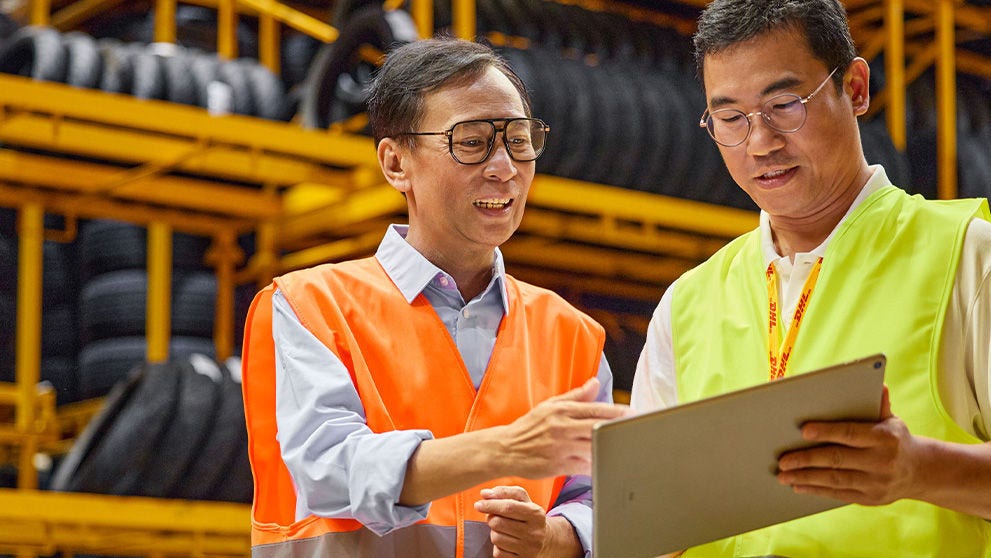
The EUDR has implications for businesses across a wide range of industries – not just those directly involved in agriculture or forestry. From wooden furniture components and paper packaging to automotive tyres and rubber seals used in machinery, many everyday products and materials can fall within its scope.
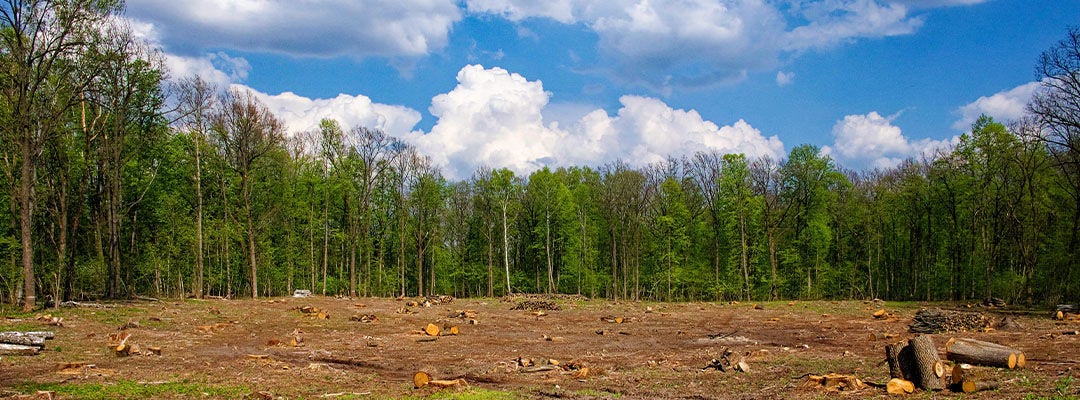
The regulation is designed to tackle a major environmental challenge. According to the UN Food and Agriculture Organization (FAO)¹, agricultural expansion drives almost 90% of global deforestation, with cropland expansion accounting for almost 50% and livestock grazing for 38.5%.
To help address this, the EUDR requires in-scope products to be deforestation-free, produced in accordance with relevant laws in their country of production and, where applicable, covered by the required due diligence documentation.
For businesses dealing with affected products, the regulation can have practical consequences. These include:
Having the required information available ahead of the relevant deadline can therefore support continuity of trade and reduce the risk of customs disruption.
The EUDR entered into force in June 2023, but its main requirements apply later:
The EUDR focuses on seven commodities and specified products containing, fed with or made using them:
Importantly, not every product containing one of these commodities is automatically covered. The definitive scope is determined by the product descriptions and customs classifications listed in Annex I of the EUDR.
The European Commission updated this scope in July 2026. Among the products removed were cattle hides, skins and leather, re-treaded tyres, soybeans for sowing and several specified rubber products. The update also introduced exemptions for samples and products used for analysis, examination or testing, as well as certain used or second-hand goods, packaging material and other specified products.
Where exempted goods fall under HS codes subject to the EUDR, the relevant TARIC document codes must still be provided to customs to confirm their exemption and allow clearance.
Responsibilities depend on where a business sits within the supply chain .
An upstream operator is the business that first places a relevant product on the EU market or exports it from the EU. This operator is responsible for carrying out due diligence and submitting a Due Diligence Statement – or, where applicable, a simplified declaration – through the EU's EUDR Information System .
A downstream operator uses a relevant product that has already been covered by upstream due diligence to make another relevant product. A trader makes relevant products available on the EU market without being the operator that first placed them there.
Following changes agreed in December 2025, downstream operators and traders generally no longer submit their own DDS. However, certain obligations remain, and non-SME downstream operators and traders must verify upstream due diligence if they become aware of a substantiated concern about compliance.
Businesses outside the EU can also be affected. A non-EU supplier may not itself be the operator responsible for submitting the DDS, but its EU customer may need detailed origin, product and traceability information from it to meet EUDR requirements.
The EU also classifies countries as low, standard or high risk. Operators sourcing entirely from low-risk countries can qualify for simplified due diligence, although they must still collect information demonstrating compliance. The United States, for example, is currently classified as low risk.
For businesses responsible for due diligence, one of the biggest practical requirements is the amount of supply-chain information involved.
Depending on the product and circumstances, this can include:
Information demonstrating compliance with relevant legislation in the country of production
Where required, the responsible party then submits a Due Diligence Statement (DDS) or SDI (Simplified Declaration Identifier) through the EU's EUDR Information System. Once accepted, the system generates a DDS reference number. For relevant goods entering or leaving the EU, this reference – or the identifier for a simplified declaration where applicable – must be available for the customs declaration.
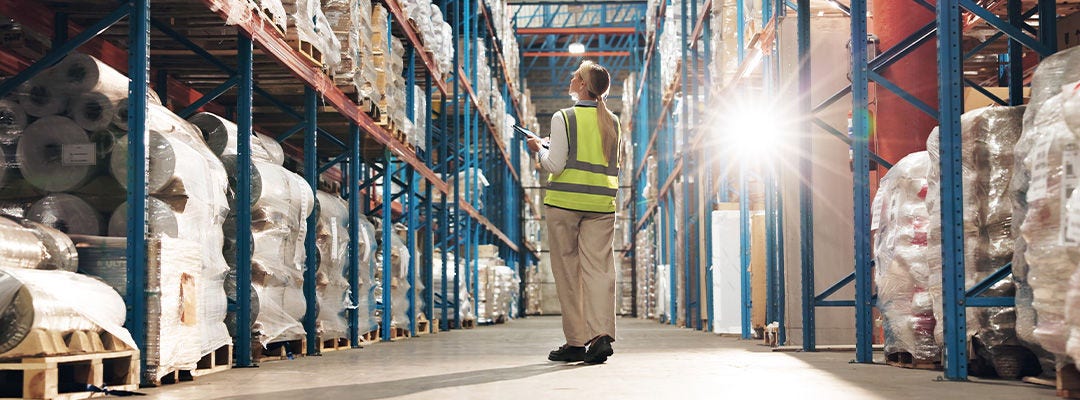
The information required by the EUDR may sit across several parts of a supply chain rather than within a single business.
For example, an EU importer may need geolocation and production information originating with a farm or producer thousands of miles away, alongside product information from a manufacturer and documentation held by another supplier. A product containing several relevant commodities can involve information from multiple plots of land.
Businesses may therefore need to coordinate with suppliers, producers, customers and internal procurement, logistics and compliance teams across different countries. Relevant operators also need to interact with the EU Information System.
For SMEs in particular, establishing where the required information sits – and whether suppliers can provide it – can represent a significant data-gathering exercise ahead of the applicable EUDR date.
For businesses assessing how EUDR may affect their operations, the preparation process typically involves several areas:
The precise requirements vary according to factors including the product, business size, position in the supply chain and country of production. Businesses requiring assistance with determining their EUDR obligations or conducting due diligence should consult an external EUDR specialist, as these services are not provided by DHL Express.
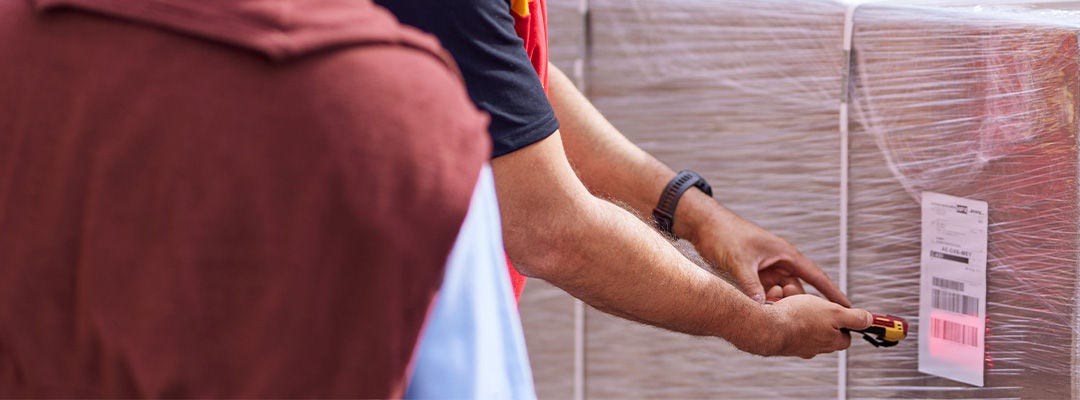
For customs clearance, DHL Express checks whether the required EUDR information has been provided at line-item level in the electronic shipment data, submits the import or export customs declaration and contacts the customer if further information is needed. To avoid customs delays or shipments being returned to origin, shippers must provide a detailed goods description, Harmonized System (HS) code and applicable EUDR data element for each relevant line item when creating the shipment.
DHL Express’ webinar is here to help you understand the upcoming customs requirements, identify whether your business may be impacted, and what actions you should take now to ensure your business navigates the new regulations smoothly.
With a DHL Express Business Account, you’ll benefit from fast international shipping to over 220 countries and territories, backed by customs expertise to help you navigate evolving cross-border requirements.
1 - FAO, 2021


 Share