What does the ideal customer shipping journey look like – and how can we deliver? Those are the key questions driving DHL Express’ digital-first approach to customer experience. Here, we explore how that approach is creating a simpler shipping experience for SMEs like yours.
In a world of one-click ordering, intuitive apps, personalized recommendations and real-time updates, customers increasingly expect every digital interaction to feel fast and effortless – including shipping.
For SMEs and e-commerce businesses expanding internationally, however, cross-border logistics can still feel anything but simple. Customs paperwork. Product descriptions. Multiple platforms and logins. Manual data entry. Delays caused by incomplete information. For smaller businesses in particular, these friction points can quickly become barriers to growth.
That’s why DHL Express is reimagining the shipping journey from the customer’s perspective – investing in a digital-first approach to make international shipping more intuitive and stress-free.
Why SMEs expect more from shipping experiences
Today's SMEs compare every digital experience – including logistics – against the best consumer technology experiences they use every day.
If customers can order products in one click, save their preferences for future purchases, and switch seamlessly between devices while shopping online, why should shipping still feel fragmented or confusing?
"Customers today expect simplicity," says Enna Zarate, Senior Vice President, Digital Customer Solutions at DHL Express. "They want shipping experiences that feel intuitive, personalized and easy – similar to the digital experiences they already have in their day-to-day lives."
Yet customer research carried out by DHL Express revealed a common frustration: international shipping still felt too complicated.
"We've spent a lot of time listening to our customers and co-creating solutions with them," says Enna. "What we've consistently heard is that customers want experiences that are simple, personalized and meaningful. They want technology that helps them achieve their goals, without adding complexity."
It is these customer insights that have helped shape DHL Express' latest wave of digital innovation.
The customs challenge holding SMEs back
For SMEs shipping internationally, one of the biggest challenges is customs compliance.
When goods cross borders, customs authorities require detailed and accurate information about what's inside the parcel. Vague descriptions such as "samples," "parts," or "accessories" can lead to delays, additional inspections or requests for more information.
The problem? Many smaller businesses simply aren't experts in customs regulations – nor should they have to be.
"SMEs want to focus on growing their business," says Enna. "They don't want to spend time becoming shipping experts or navigating unnecessary complexity."
The challenge for DHL Express wasn't simply speeding up the international shipping process. It was redesigning the digital journey to help customers get things right first time – reducing avoidable delays at customs.

One photo, smarter shipping
This led to the development of DHL Express’ new AI-powered item identification tool –designed to simplify one of the most frustrating parts of customs paperwork: the goods description.
“The goods description field was not a minor inconvenience – it was a critical moment where the customer experience broke down,” says Enna. “This AI feature is a direct response to customer feedback.”
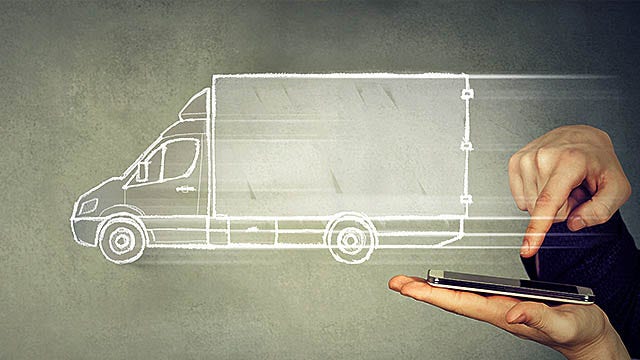
Now live in selected markets, the tool allows customers to simply take a photo of the item they want to ship using a smartphone. DHL Express’ AI technology then analyzes the image and automatically generates a structured, customs-compliant item description within seconds. Customers can review, edit or override the suggested text before completing the shipment.
It sounds simple – and that’s exactly the point. Behind the scenes, however, the technology is doing some heavy lifting.
The AI model uses computer vision technology to classify the object in the image and align the description with international customs documentation standards. That helps improve shipment data quality from the very beginning of the shipping process – reducing the likelihood of delays later in the journey.
Importantly, customers don’t need to understand customs terminology or classification systems themselves. The complexity stays in the background. For SMEs and first-time international shippers, that can make a huge difference.
The feature is currently live across selected markets, with wider rollout plans continuing into 2026.
Beyond tracking: building shipment confidence
Creating a shipment is only part of the journey. DHL Express is also using digital innovation to give customers greater confidence once their shipment is on its way.
Traditionally, tracking has been a reactive experience. Customers often only check updates once something goes wrong – a delayed parcel, a customs hold or a missing document.
DHL Express wants to change that by shifting the focus from shipment tracking to what it calls “shipment confidence” – using smarter data and digital tools to help customers avoid problems before they happen.
"We want to move from reactive experiences to proactive experiences," says Enna. "Instead of customers constantly checking shipment statuses, we want to proactively guide them, notify them and help prevent issues earlier in the journey."
For DHL Express, confidence goes beyond knowing where a shipment is. It's about giving customers greater certainty about what happens next. Through predictive insights, proactive notifications and end-to-end visibility across pickup, customs and delivery, SMEs can spend less time chasing updates and more time focusing on their business.
Furthermore, these updates allow SMEs to keep their own customers better informed about the delivery status – helping build trust in their brand.

The future of digital shipping
The AI-powered item identification tool is just one example of how DHL Express is using digital innovation to simplify international shipping. As part of its digital-first strategy, the company is continually exploring new ways to reduce complexity and create more intuitive customer experiences.
Looking ahead, DHL Express believes SMEs will spend far less time creating and managing shipments than they do today. Automation, AI and deeper integration with e-commerce and business workflows will increasingly handle routine tasks in the background, while providing predictive guidance around customs, pricing and delivery outcomes.
Personalization will also play an increasingly important role. “We can tailor interfaces, shipping options and recommendations to each SME, helping them feel the solution was built for their business, their goals and where they are in their growth journey,” says Enna.
And while AI will continue to play an important role, DHL Express is clear that human expertise remains essential too.
“AI should remove friction, not replace relationships,” says Enna. “Our goal is to automate repetitive tasks so our experts can focus on delivering higher-value support when customers need it most.”
The good news? That future isn’t years away. Many of these capabilities are already live today, helping SMEs access simpler shipping experiences and spend more time doing what really matters: growing internationally.
To benefit from these digital shipping solutions, open a DHL Express Business Account


 Share
Share

Similar Stories