If you run an international e-commerce business, global events can create a surge in demand – but only if your logistics can keep up. From major sporting events and shopping peaks to cultural celebrations and trade shows, planning your event logistics in advance can help you prepare stock, fulfil orders and deliver on time. Here’s what to know.
Why event logistics matters for your business
The term event logistics is often used to describe the planning and coordination involved in putting on a large event – everything from getting equipment and supplies to a venue to managing transport and deliveries. But there's another side to consider: the impact an event can have on the businesses supplying the products people suddenly want to buy – businesses like yours.
In this article, we’re looking at logistics for events from the demand side: how your business can prepare its own inventory, fulfilment and international shipping for the peaks that global events can create.
Global events that shape international demand
Some global events trigger interest in specific products, while others bring a broader seasonal shopping surge. If you run an e-commerce business, these are some that should be on your radar:
Sporting events
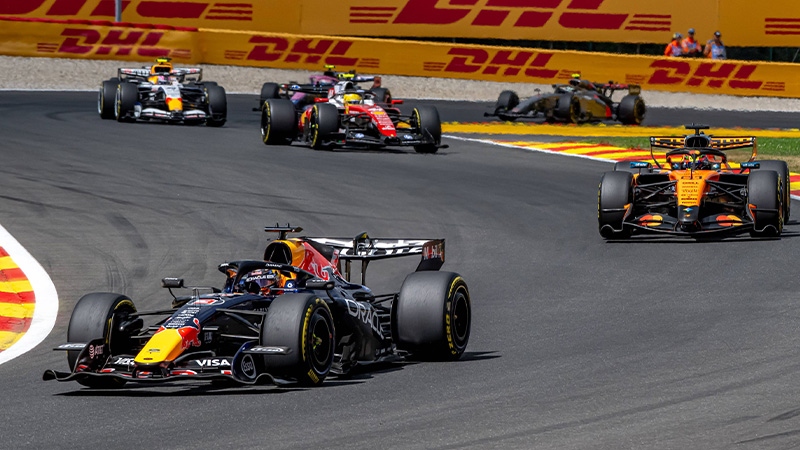
Major sporting events such as the FIFA World Cup, the Olympics and Wimbledon can create short but significant bursts of demand. Fans often look for clothing, accessories, memorabilia, decorations and other event-related products, with interest extending well beyond the country hosting the event.
For e-commerce businesses, the opportunity isn't necessarily limited to selling products directly related to the event. Increased interest in a particular country, sport or destination can create demand for complementary products too. The key is identifying what your customers are likely to want before the event gets underway.
Peak travel seasons
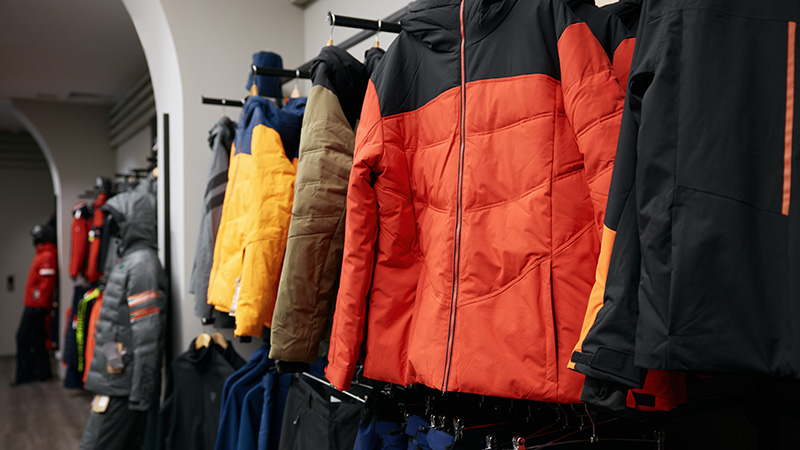
Travel itself creates international demand. Summer holidays, ski seasons and major tourism periods can all influence what people buy, particularly products designed for travel, outdoor activities, leisure and hospitality.
The timing will vary from market to market, so don't assume that your busiest season at home is the same everywhere else. Understanding when customers in different countries are traveling – and planning your stock and shipping capacity accordingly – can help you capture demand that might otherwise be missed.

International shopping events
Black Friday and Cyber Monday have become major global shopping moments, while Singles' Day remains a huge e-commerce event, particularly in China and other Asian markets. These events can compress an enormous amount of purchasing activity into a very short window.
That makes preparation particularly important. Businesses need enough stock to meet demand, but also enough fulfilment and shipping capacity to get orders moving quickly once they're placed. A successful promotion can create a problem of its own if your logistics operation isn't ready for the extra volume.

Cultural and religious celebrations
Events such as Ramadan, Eid, Christmas, Diwali and Lunar New Year can influence shopping patterns across multiple markets. The products in demand, timing of purchases and preferred delivery windows can all vary depending on the celebration and the market you're targeting.
For international sellers, these events are a useful reminder that there isn't one global shopping calendar. Understanding local buying habits can help you tailor your inventory, marketing and logistics to each market rather than taking a one-size-fits-all approach.

Industry trade shows
Trade shows can generate two demand moments. First, there's the event itself: businesses need to ship stock, samples, promotional materials and equipment to the show. Then, if those samples and demonstrations generate new orders, there's a second surge when those orders need to be fulfilled.
Events such as LogiPharma in Europe, CES in Las Vegas and Gulfood in Dubai can bring together buyers from across the world. For SMEs looking to expand internationally, trade shows can therefore be both a sales opportunity and a useful trigger for reviewing whether their logistics setup is ready for new markets.

How global events affect cross-border commerce
Global events can change where, when and what people buy. A sporting event can create demand for a particular product category, a shopping event can cause a sudden increase in orders across multiple countries, and a trade show can introduce your business to customers you weren't previously reaching.
For SMEs, these shifts can open the door to new customer segments and international markets. The businesses best placed to benefit are those that treat global events as part of their commercial planning – not simply something that appears on the calendar.
Event logistics planning: how to prepare your business

Forecast demand and plan inventory
Start by looking at what happened during previous events and peak periods. Which products sold well? Which markets generated the most orders? And how much notice did you need to replenish your stock?
If it's a new event or a market you haven't sold into before, use your existing sales data, market research and pre-event interest to build a realistic forecast. It's also worth planning for different scenarios rather than betting everything on one number. A bigger-than-expected spike is a much nicer problem to have when you've already thought about how you'll handle it.

Build flexibility into your supply chain
Peak demand rarely follows a perfectly predictable pattern. That's why flexibility matters. Where possible, work with suppliers that can respond quickly, maintain some buffer stock and consider whether you have alternative sourcing or fulfilment options if demand exceeds expectations.
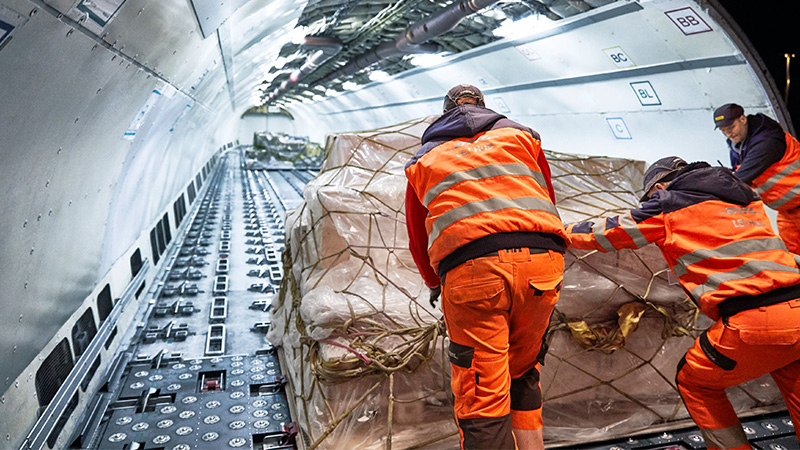
Your shipping setup needs flexibility too. DHL Express can help SMEs scale international shipments as demand changes, with a global network covering 220+ countries and territories. Having a logistics partner that can support increased volumes and destinations means you don't have to completely rethink your shipping operation every time a new opportunity comes along.
Understand peak season shipping timelines
The busiest periods aren't always the best time to leave shipping decisions until the last minute. Transport networks can become busier around major events, and customers may be ordering from further afield than usual.
Work backwards from the date your customer needs the product. Factor in production and fulfilment time, collection, transit, customs clearance and a little breathing room for unexpected issues. For time-sensitive orders, DHL Express offers time-definite delivery options, helping businesses choose a service that matches the urgency of the shipment.

Prepare for customs
Selling into a new market can mean dealing with customs requirements you're not used to. Make sure you understand the documentation, duties and taxes, and import requirements that apply to the countries you're targeting before demand starts to build. Accurate commercial invoices, goods descriptions and HS codes are particularly important.
DHL Express combines international shipping with customs expertise, helping SMEs navigate these requirements as they expand into new markets. Getting the details right before demand starts to build can help avoid customs delays at exactly the moment you're trying to fulfil a higher volume of orders.
Set realistic delivery expectations
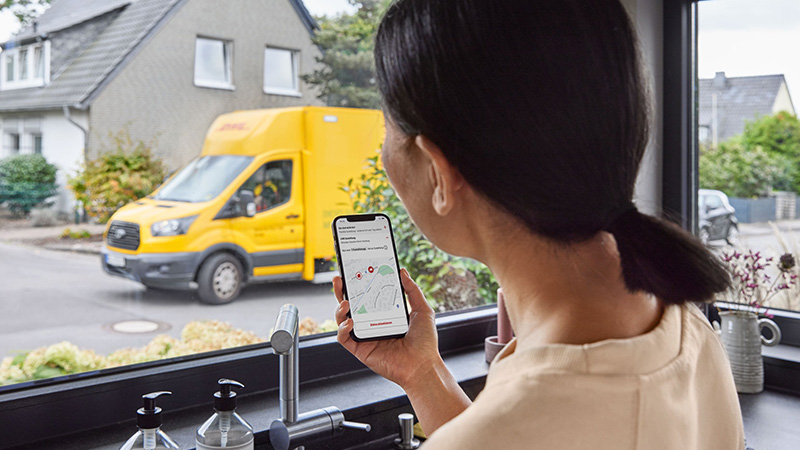
Make delivery times clear before customers reach checkout, particularly if you're selling internationally. With DHL Express tracking, businesses can also give customers visibility of their shipment as it makes its way to them, helping set expectations and reduce the uncertainty that can come with busy periods.
Turning global moments into growth with DHL Express
Global events can create exciting opportunities for SMEs – but capturing that demand depends on having the logistics to support it. With DHL Express, your business will benefit from fast cross-border shipping, customs expertise and reliable delivery – all from one experienced logistics provider.
So, when the next big global event comes around, you can spend less time worrying about how to get your products there and more time thinking about where the opportunity could take your business.
For fast international shipping, open a DHL Express Business Account.


 Share

Similar Stories