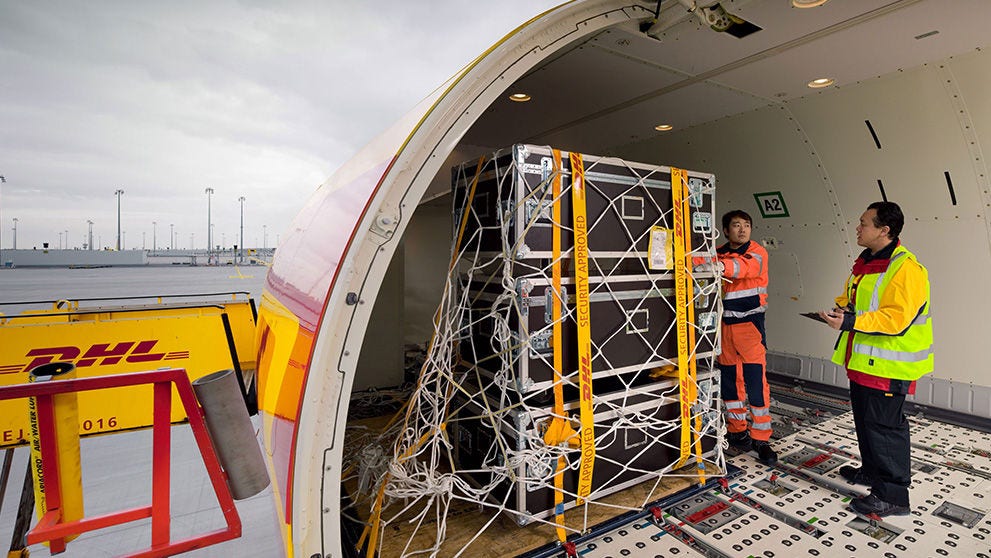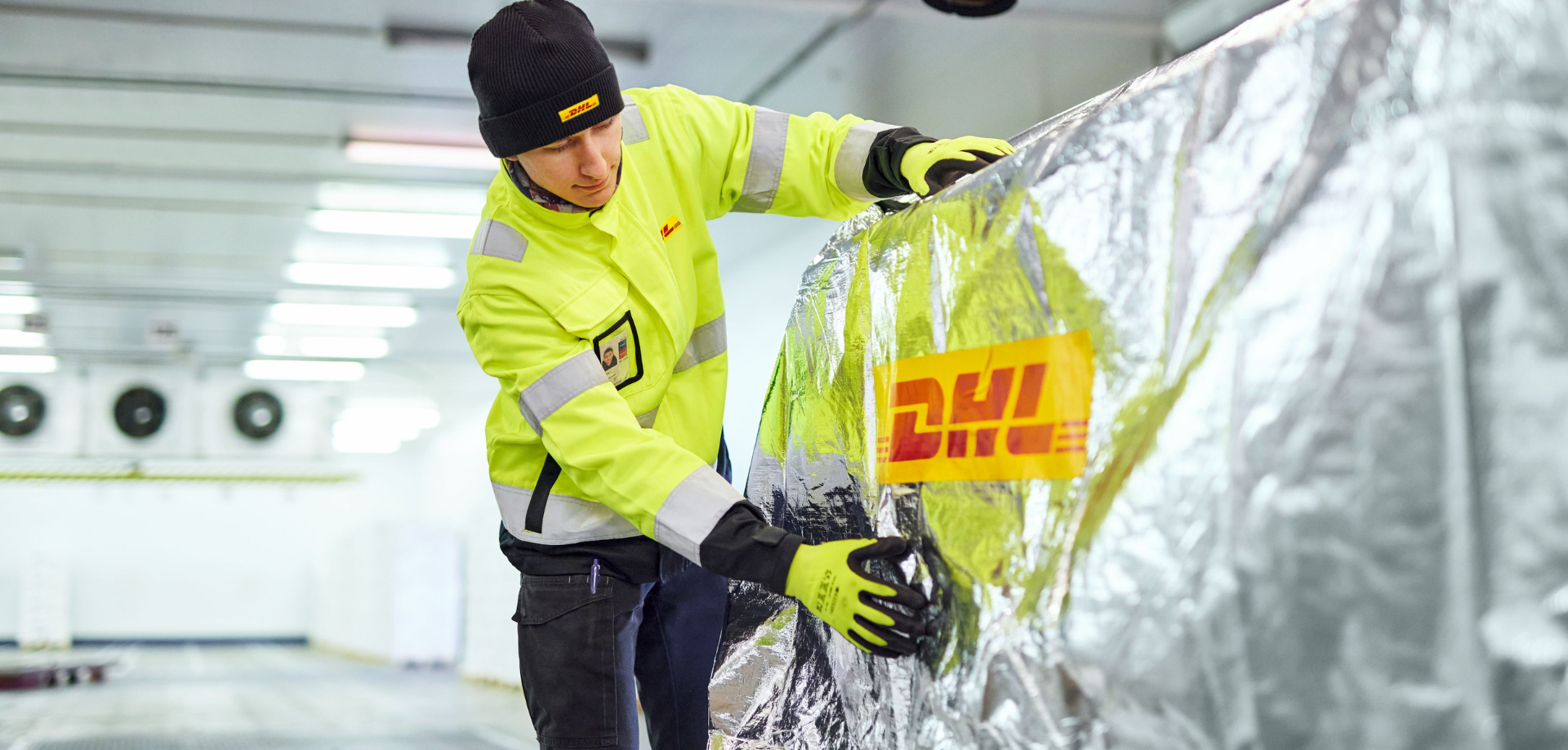
The logistics and shipping industry has come a long way in providing reliable and fast delivery of goods across the globe. With the use of innovative technologies and materials, global courier services like DHL Express, continually strive to offer solutions for cross-border shipping through which sensitive and important goods are delivered reliably in the best possible conditions. One such type of shipping solution that is absolutely paramount these days relies on temperature-controlled environments.
Below, we dive into the importance of temperature-controlled cargo, the related regulations and standards we abide by, as well as the range of local and international logistics solutions DHL offers its customers.
What is Cold Chain Logistics (Temperature-Controlled Logistics)?
Temperature-controlled logistics, also known as cold chain logistics, refers to the storage, transportation, and distribution of temperature-sensitive cargo. This ensures that the temperature throughout the supply chain remains the same – in other words, controlled – from parcel packing to the maintenance of the cold chain till it reaches its destination.
What products require cold chain management?
Such cold chain requirements are necessary for food products, fresh flowers, perishable goods, pharmaceuticals, medicines, and other medical materials. Any compromise on the temperature can result in goods losing their efficacy and can even lead to serious health consequences when these products are consumed or used.
Cold chain shipping couriers maintain a shipping temperature range between 2ºC and 8ºC, in line with the World Health Organisation's (WHO) recommendations for vaccine storage, to ensure that the quality of the medicines and products do not get compromised. Fresh produce and frozen goods, meanwhile, generally require temperatures between 0ºC and 4ºC for chilled storage, or below -18ºC for frozen logistics. The manufacturer must ensure that all the involved parties understand the temperature requirements and that they are applied across the supply chain, a requirement explicitly outlined under the EU's Good Distribution Practice (GDP) guidelines on staff training. Certain critical touch points which hold the greatest risk of temperature deviation include:
- The warehouse where the shipment will be stored prior to its transportation
- The route from the manufacturer to the shipper location
- During physical loading and unloading of shipments
- During the actual transit
Standards and Regulations for Temperature-Controlled Courier Services
Cold chain couriers must be aware of the international standards and regulations for transporting temperature-controlled goods. It is crucial that they are updated with all these regulations so they can ensure that the cold chain is not compromised. Some of these standards include:
- Operational directives for all parties along the supply chain
- Construction of transport network to ensure smooth shipping at temperature-controlled conditions
- Handling methods of temperature-sensitive items, including during cargo inspections
- Monitoring of temperature and location of the cold chain shipping containers
In addition to the above operational guidelines, carriers must also be familiar with the regulatory frameworks established by the following bodies:
- The European Union's Good Distribution Practice (GDP) sets out strict requirements for pharmaceutical storage temperatures, monitoring, and staff training as part of effective cold chain management.
- The World Health Organisation (WHO) primarily provides technical guidance for the vaccine supply chain.
- The International Air Transport Association (IATA) has now split its former temperature-control regulations into two separate standards — the Perishable Cargo Regulations (PCR) for food and flowers, and the Temperature Control Regulations (TCR) for pharmaceuticals and life science products.
- The Parenteral Drug Association and various regional pharmacopeias also provide supplementary guidelines for specific product categories.
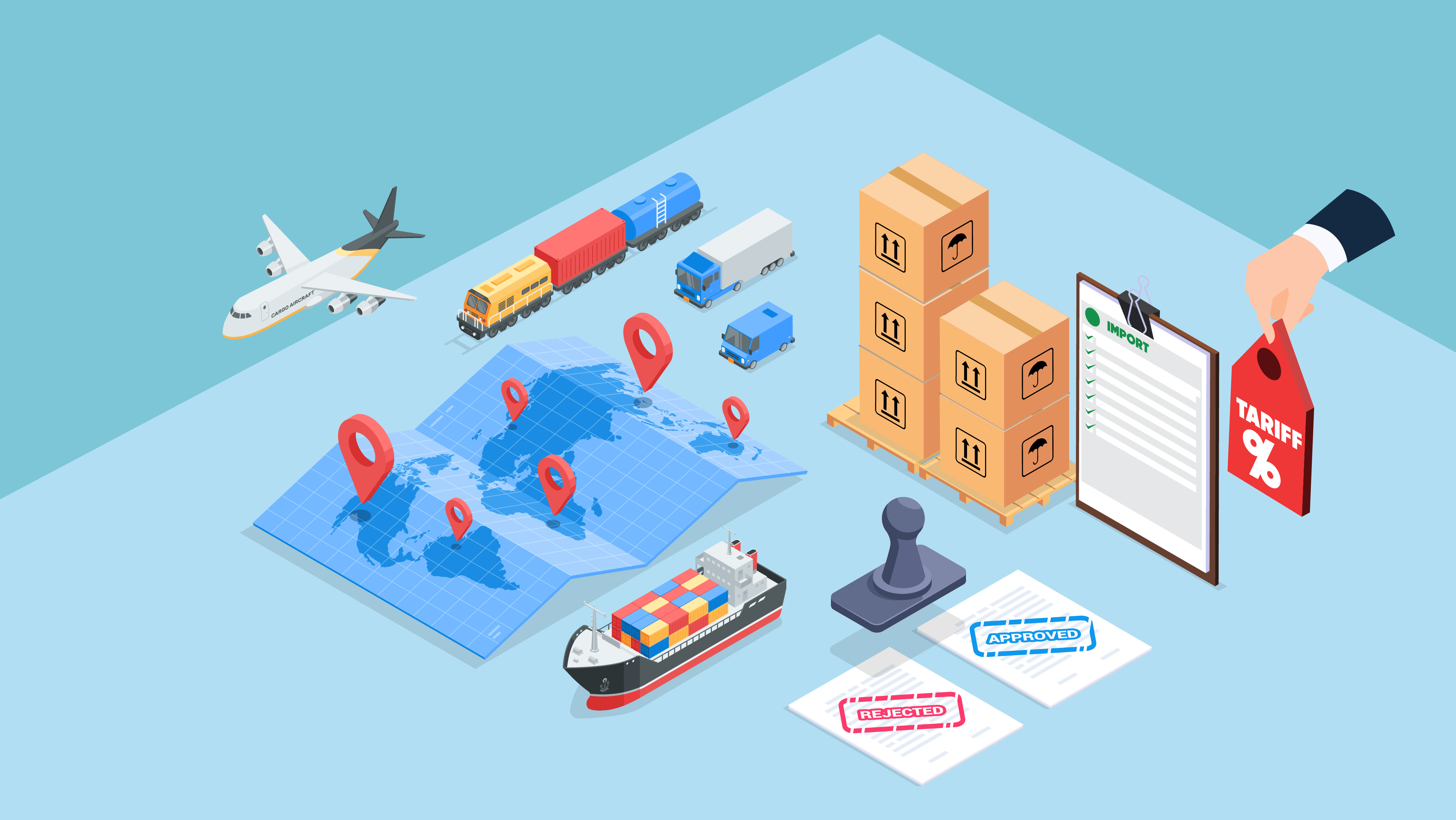
- If shipments involve import or export through Hong Kong, senders should also take note of the relevant licensing requirements set out by Hong Kong Customs and the Department of Health for pharmaceuticals and medicinal products, to avoid delays caused by incomplete documentation.
Types of temperature-controlled transportation

The industry primarily relies on the following types of temperature-controlled transportation, and businesses can select the most suitable option based on the nature of their shipment, transit distance, and budget. The table below summarises the key characteristics and applications of these four main methods:

Refrigerated vehicles
Conventional vehicles with temperature-controlled cargo compartments, usually vans or trucks, with refrigeration units powered by the vehicle's engine supply or an independent power source; liquid nitrogen technology may be used for ultra-frozen requirements
Best suited for: Short to medium-distance road transport, suitable for local or cross-border shipments requiring continuous monitoring

Passive shipping container
Temperature-controlled shipping boxes with insulation and electronics that maintain temperature for a short period of time, typically used alongside other transport methods
Best suited for: Shorter transit times or transfers, and can be paired with refrigerated vehicles for added protection
Active shipping container
Larger temperature-controlled shipping containers powered by internal batteries or the ship's or plane's onboard power supply
Best suited for: Air and sea freight over long distances, suitable for shipments requiring sustained temperature control over extended periods

Temperature-controlled air freight
Transported via commercial airlines or dedicated cargo airlines, offering short transit times and fewer geographical obstacles
Best suited for: Time-sensitive, high-value, or urgent shipments requiring minimal exposure to temperature fluctuations

DHL Express’s temperature-controlled logistics services
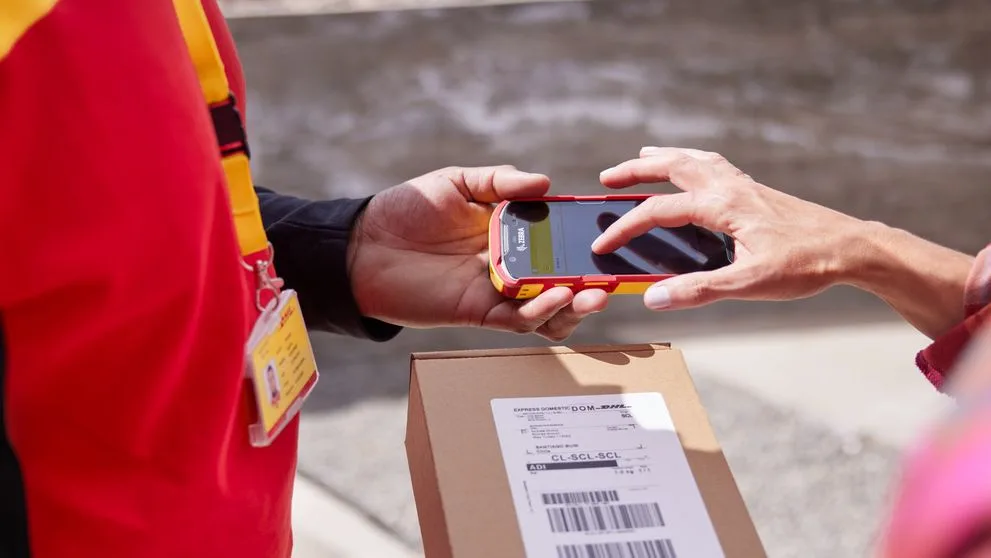
DHL Express offers several temperature-controlled logistics services for pharmaceuticals and life science goods. With certified life sciences and healthcare experts in over 150 global destinations, our customized solutions can help you send your temperature-controlled shipments across the world. We also provide packaging solutions for temperature-controlled goods, such as through our Medical Express (WMX) Service.
If you have temperature-controlled shipping needs in Hong Kong, our DHL Express Hong Kong team can also provide you with a suitable cold chain logistics solution, and assist with the relevant import/export documentation and compliance requirements, ensuring your shipment arrives safely at its destination worldwide.
Open a DHL Express corporate account today to start delivering temperature-controlled goods.


 Share
Share
Similar Stories