

There’s more to packaging than getting your goods from A to B in one piece. Driven by consumer demand, sustainable packaging should now be a key consideration for every e-commerce business. Then there are the latest innovations in technology – like smart labelling – that can help you track a package on its journey. Read on as we dive into all things packaging.
Sustainable Packaging Trends
Businesses which adopt sustainable packaging will minimize their impact on the environment, improve their brand image, and reduce their costs.
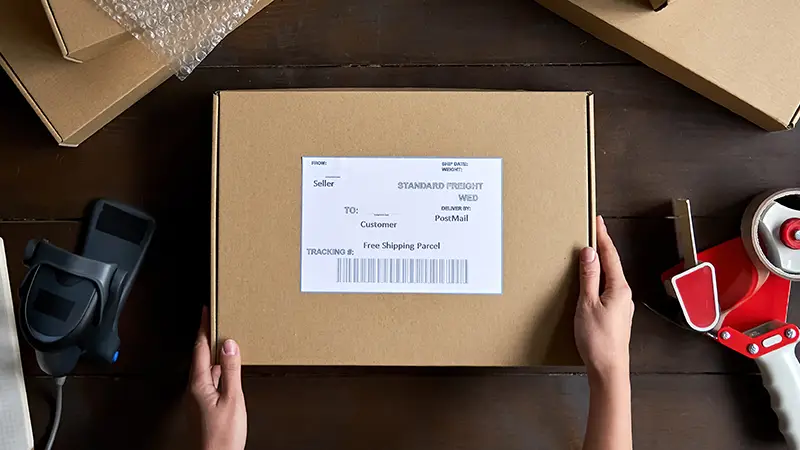
Minimalism
Embraces simplicity and a “less is more” approach – reducing waste by stripping out unnecessary and excessive packaging, instead focusing on streamlined design.
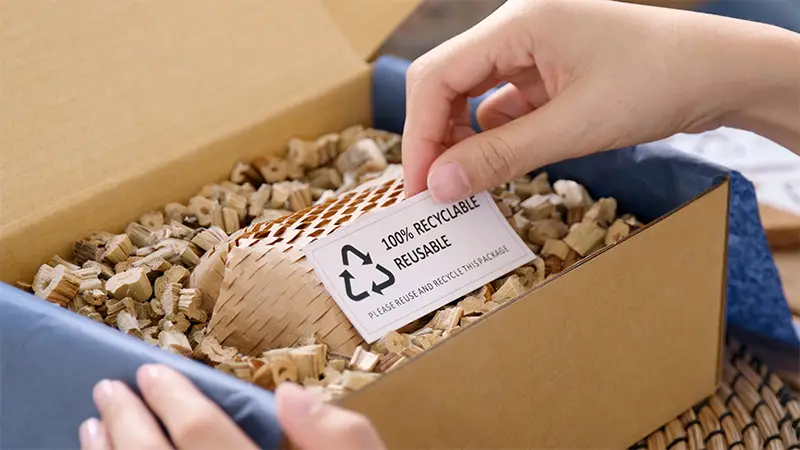
Reusability
The pushback to single-use, throwaway culture, reusability promotes robust materials that can be used again and again.

Biodegradability
Often made from plants, biodegradable packaging will naturally break down, typically within a year of disposal.
Eco-conscious consumers are driving much of the trend – 82% would be willing to pay more for sustainable packaging1.
Sustainable Packaging Materials
Plastic can take anywhere from 20 to 500 years to decompose2, but these materials provide a sustainable alternative:
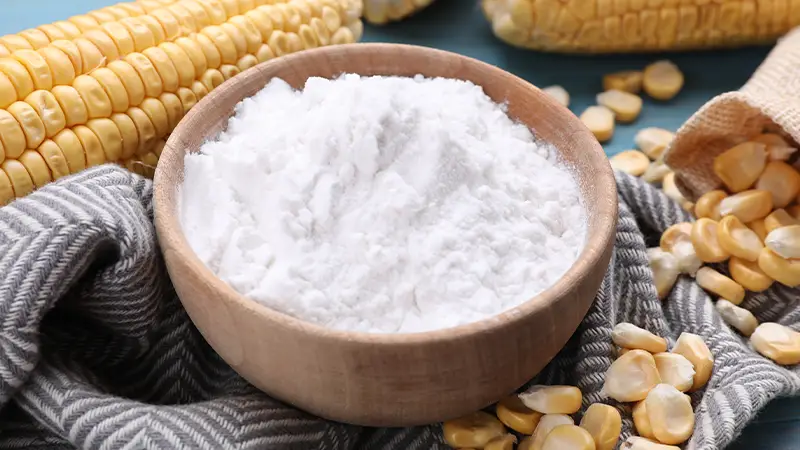
Polylactic acid (PLA) plastic
Made from renewable materials like corn starch and sugar cane and will break down naturally in a controlled environment, making it a planet-friendly alternative to its petroleum counterpart. Most types of paper and cardboard are biodegradable as they’re made from wood pulp. Paper can typically be recycled 5-7 times before the fibers become too short(3).
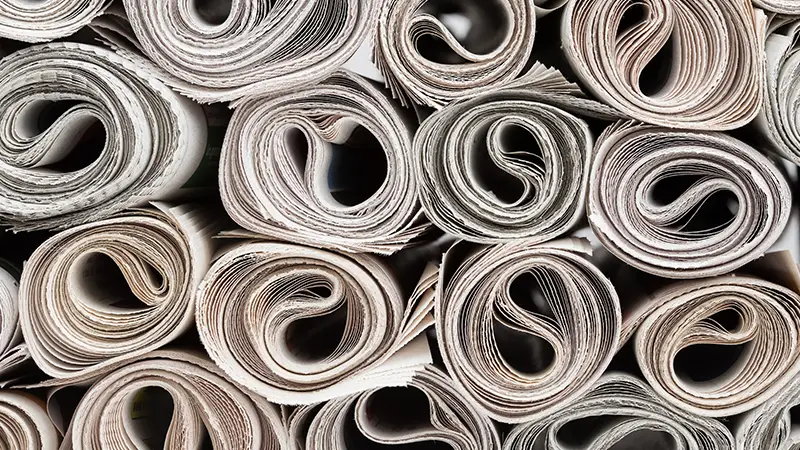
Moulded fiber
Made from recycled paper products like newsprint and cardboard, and is biodegradable. It is made by soaking the materials in water and then moulding them into the desired shape.

Bamboo
Its durable and heat resistant qualities make it an ideal material for food packaging.
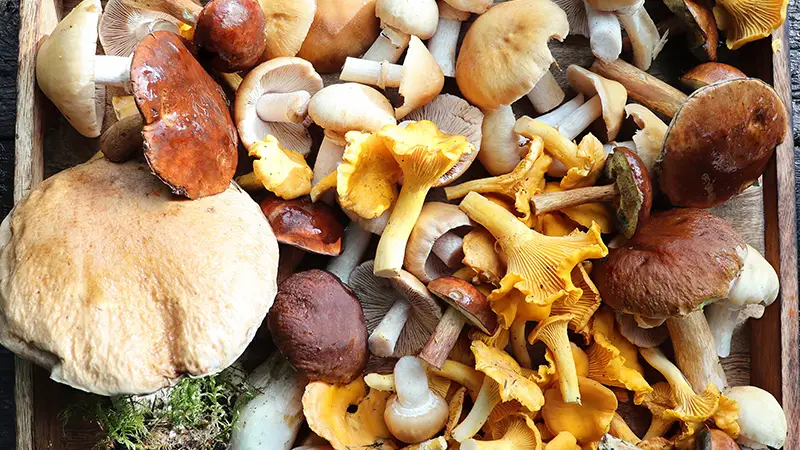
Mushroom packaging
Made from agricultural waste held together by mycelium – a substance found in mushroom roots.

Seaweed
Can be harvested with minimal environmental impact, to make a sustainable and biodegradable product.
Plastic-Free Packaging
The world produces 141 million tonnes of plastic packaging a year5 – much of which will end up in landfill where it takes hundreds of years to break down. But there are some innovative alternatives:
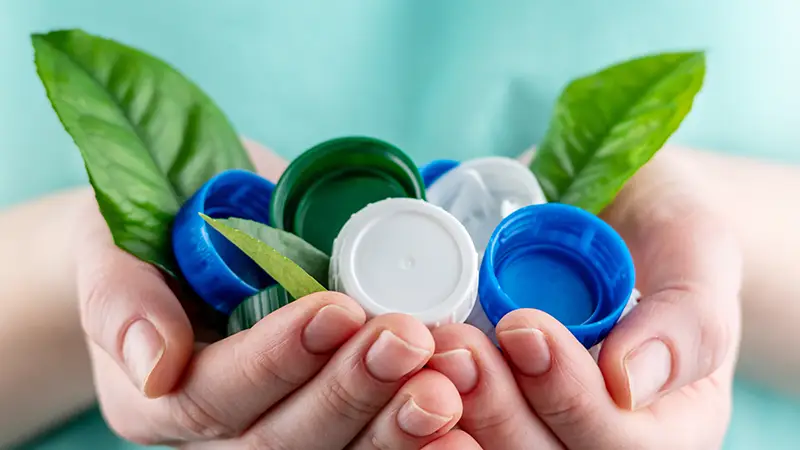
Plant-based plastics, or “bioplastics”
These are typically made from corn starch and bamboo fibers.
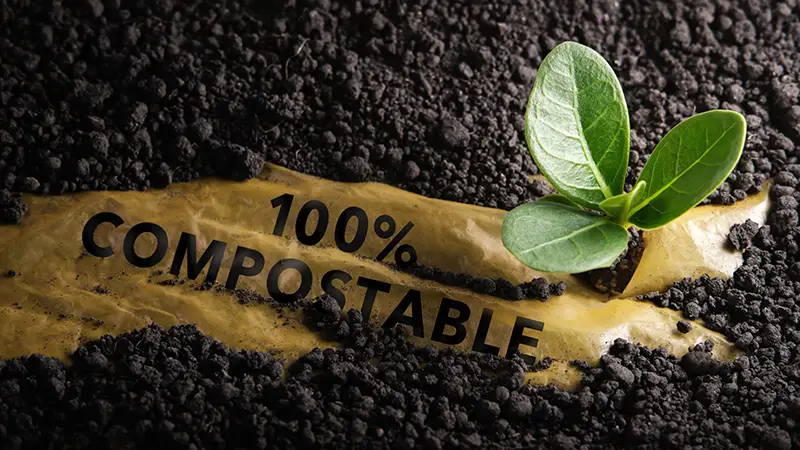
Compostable plastics
Made from bagasse, a dry fibrous material left from sugarcane after juice extraction.
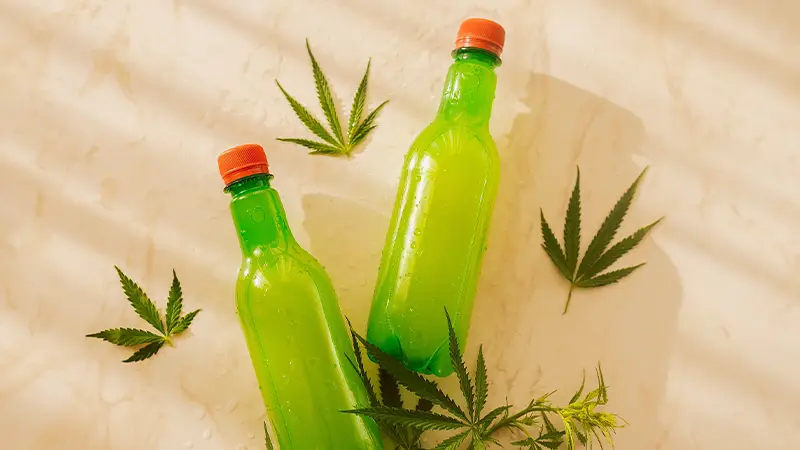
Hemp plastics
Made from cellulose fibers found in the plant's stems – a renewable resource.
Paper Packaging
Paper and cardboard form a key part of e-commerce packaging, and provide a sustainable alternative to plastic:
- Easy to recycle by consumers at home.
- The paper manufacturing industry contributes 0.8% to global emissions compared to plastic's 4.5%8.
- Plastic is more likely to end up in landfill; in the EU, for example, only around 40% of plastic is recycled, whilst cardboard’s rate is over 85%9.
The benefits of using paper/cardboard packaging include:
- Swift assembly – pop-up construction of cardboard boxes saves time and reduces labor costs.
- Durable – corrugated cardboard is strong and able to keep its shape during transit, making it a good fit for protecting delicate items.
- Cost-effective – cardboard is lightweight, thus reducing shipping costs, and can be bought in bulk relatively cheaply.
- Customizable – brands can add logos and designs to the packaging, to create a unique unboxing experience.
Packaging Waste Reduction
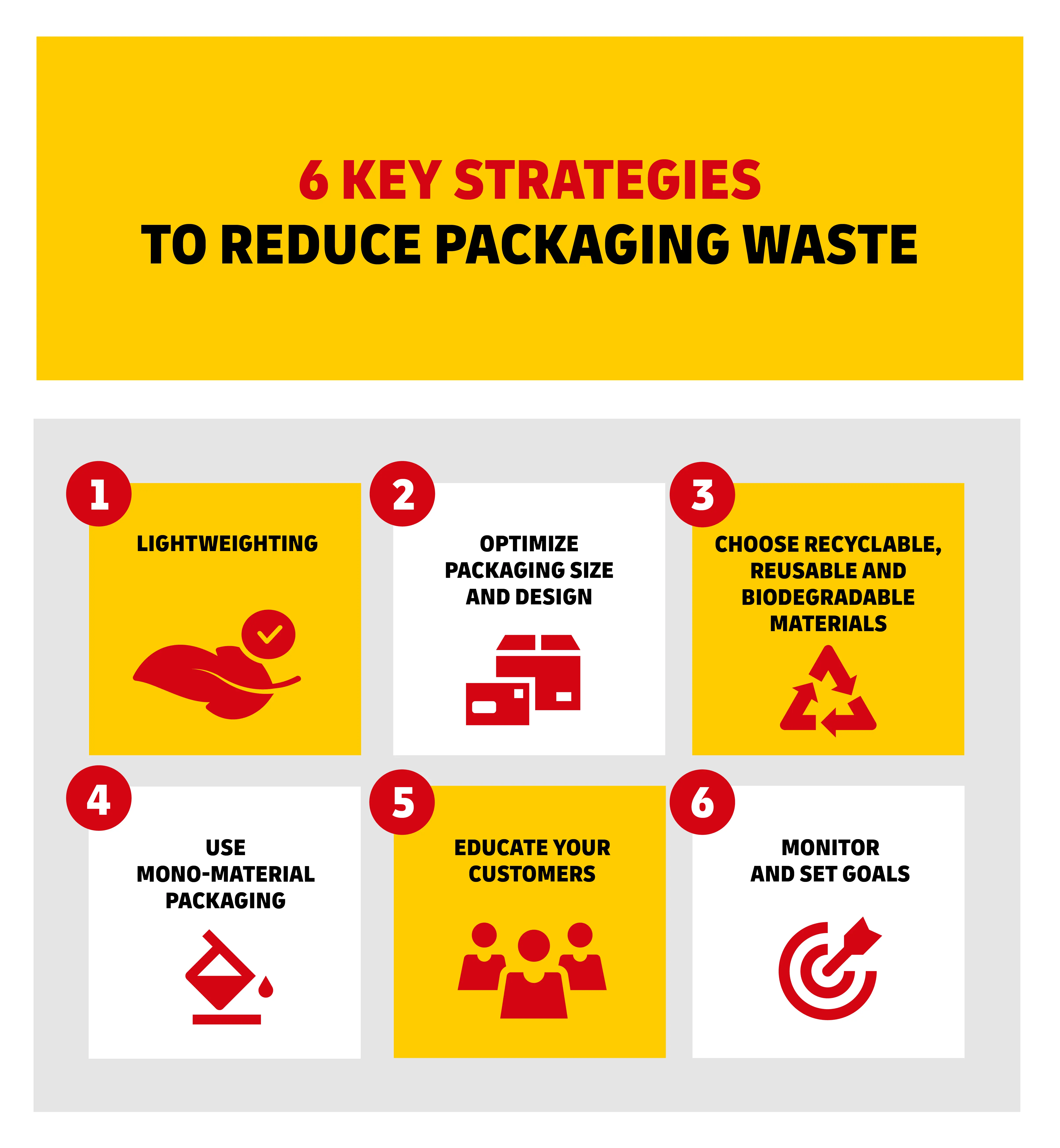
Online shopping generates 4.8 times more packaging than brick-and-mortar stores10, making waste reduction a key issue for any e-commerce business wanting to improve its sustainability credentials. There are many strategies your business can adopt to reduce packaging waste:
Lightweighting: reducing the weight of the packaging to minimize shipping costs and transport emissions. This can be done by switching to thinner, lighter materials, and/or cutting the amount of material used.
Optimize your packaging size and design to reduce wasted space. There are dedicated e-commerce solutions – such as Packsize – which will create a custom-sized box for your shipment.
Choose recyclable, reusable and biodegradable materials. These increase the packaging’s lifecycle, and ensure that when it does eventually get thrown away, it will dispose naturally.
Keep it simple with mono-material packaging. This involves using just one type or material or fiber for the packaging which makes recycling much easier.
Educate your customers. Let them know if and how the packaging can be recycled. Encourage them to send any product returns in the original packaging, too.
Set goals. Monitor and track your packaging performance metrics (such as usage, cost and waste generation) and set targets to help your business improve.
Smart Packaging Technologies for Sustainability
Next-generation smart packaging is helping businesses to enhance the sustainability of their supply chains:
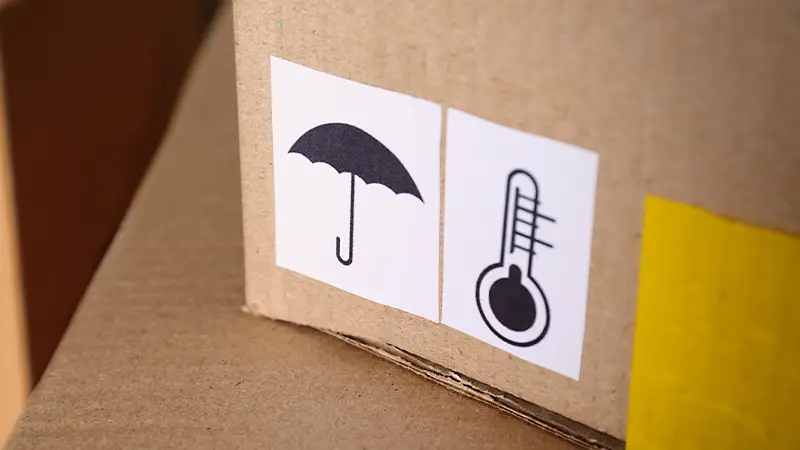
Sensors and indicators
Used by the food industry to measure the temperature and atmosphere within packaging. This ensures food safety standards, and minimizes waste in the case of perishable items.
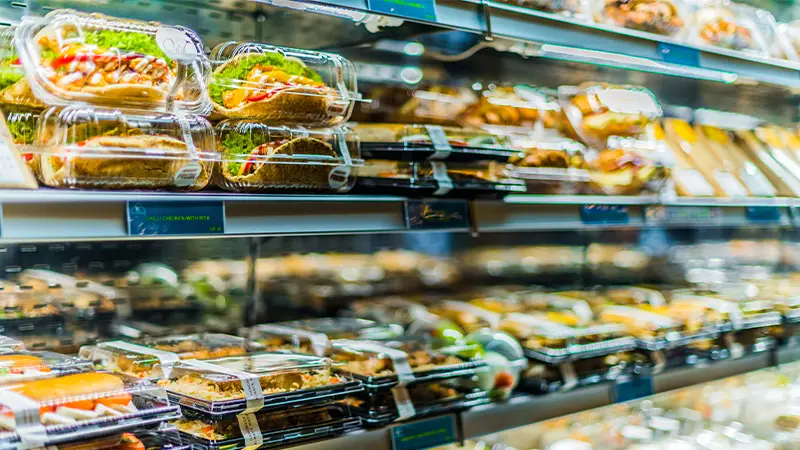
Active packaging
Incorporates additives to maintain or extend product quality and shelf life. Examples include control films and antimicrobial coating – materials which can enhance the contents’ freshness.
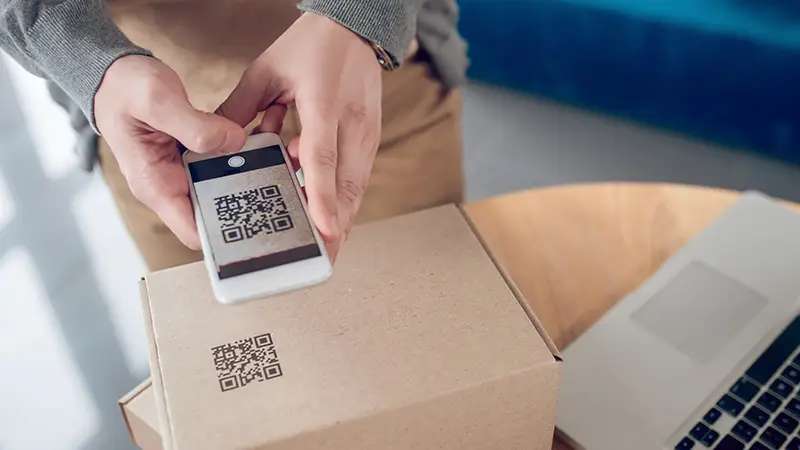
Smart labelling
Embeds labels with digital elements such as RFID (Radio-Frequency Identification) chips and QR codes. These can store product information for consumers (reducing the need for plastic labels). Furthermore, they can trace the product through the supply chain, from production to disposal, capturing valuable data that businesses can use to identify and reduce areas of wasted resources.
There’s more to running a sustainable business than switching to eco-friendly packaging (though it’s a great step!) With a DHL Express Business Account, you’ll have access to a range of dedicated green shipping solutions.


 Share
Share

Similar Stories