EXW (Ex Works), also known as “Factory Delivery,” is one of the most common international trade terms. It places the least responsibility on the seller and the greatest on the buyer. This article will explain the meaning of EXW, the clear division of responsibilities between buyer and seller, the main advantages and disadvantages of the term, how EXW prices are calculated, and in which situations EXW is most suitable. By understanding these details, you can make smarter decisions in global trade.
What is the EXW (Ex Works) International Trade Term?
Introduction to Incoterms and EXW Definition
The International Chamber of Commerce (ICC) has established 11 Incoterms to clarify buyer and seller responsibilities, risks, and costs during delivery. EXW (Ex Works) is one of them.
Under EXW terms, the seller completes their responsibility when the goods are made available to the buyer at the designated location — such as a factory, warehouse, or production site. From that point onwards, the buyer assumes all costs and risks, including loading, transportation, customs clearance, and insurance.
EXW applies to any mode of transport including sea, air, or land and follows the core principle of “minimum responsibility for the seller, maximum responsibility for the buyer.”
Division of Buyer and Seller Responsibilities Under EXW Terms
Seller’s Responsibilities
Under EXW, the seller’s role is limited to preparing and labelling goods according to the contract and making them available at the agreed location and time. The seller also supplies the necessary documentation and, when requested, assists the buyer in applying for export permits, with costs borne by the buyer. Once the goods are ready for collection, the seller has no obligation to load them, handle export customs clearance, or arrange transportation to the final destination.
Buyer’s Responsibilities
The buyer must collect the goods promptly and take on all costs and risks from that point forward. This includes loading, transportation, export and import customs clearance, insurance, and final delivery. Buyers must ensure they have the right documents and data to meet export and import regulations.
Once the goods are accepted at the delivery point, any damage or loss becomes entirely the buyer’s responsibility. Delays in collection, or unfamiliarity with applicable regulations, can result in storage fees, customs hold-ups, or even transaction delays. Businesses can refer to DHL’s guide Customs Clearance: 7 Best Practices to Avoid Delays for smoother processing.
Analysis of Advantages and Disadvantages of EXW Terms
Advantages: Seller Responsibility Minimized, Buyer Control Maximized
For the seller, EXW offers a simple process with minimal involvement beyond preparing goods and relevant documents, avoiding complex export procedures and reducing administrative and compliance burdens.
Buyers benefit from complete control over logistics, allowing them to select preferred carriers and routes, consolidate shipments from multiple suppliers, and potentially cut overall freight and procurement costs.
Disadvantages: Buyer Needs Strong Logistics Skills, Seller May Face Tax Issues
The seller loses oversight once the goods leave their premises and may encounter delays or complications if the buyer’s customs clearance is slow, potentially affecting export timelines and tax rebates.
Buyers must possess solid international logistics and customs expertise, bearing all transportation risks and costs. A lack of familiarity with the export country’s regulations can lead to delays, extra storage charges, or even fines. To better manage these processes, buyers can use DHL’s Optional Services, Surcharges, and Customs Services.
Composition and Calculation of EXW Price (EXW Quotation)
EXW Price Basis and Components
The calculation of EXW pricing is simple and straightforward. It only includes the production cost and profit of the goods at the seller’s factory or warehouse upon delivery—namely, the product’s manufacturing cost, the seller’s profit, and, if necessary, packaging costs. It does not include any loading, transportation, export customs clearance fees, insurance, or destination-related charges.
In other words, the EXW price is the lowest quotation model among all Incoterms. It provides only a basic reference price for the buyer, who must add additional costs such as transportation routes and customs clearance requirements to accurately calculate the final total cost.
Understanding and Comparing EXW Prices
The EXW price serves as the basis for calculating prices under other Incoterms (such as FOB or CIF), making it easier to determine the base cost of goods and clearly review itemized expenses. For buyers, when comparing costs between different suppliers or different terms, it is essential to combine “EXW price + self-arranged transportation and customs clearance costs” to estimate the final expense. Only then can you compare it with other terms that include transportation costs and accurately determine whether EXW is more cost-effective.
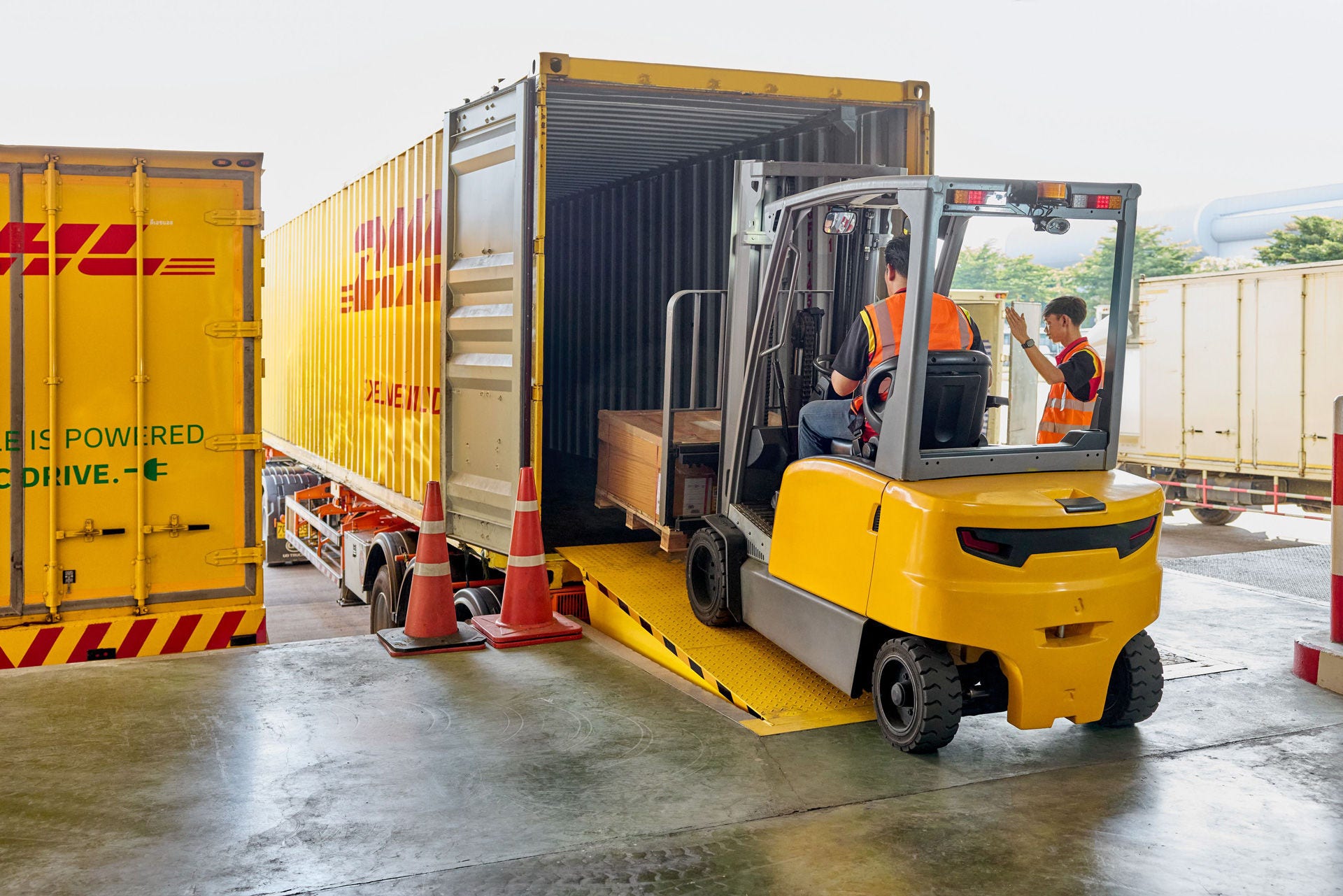
Applicable Scenarios and Alternatives for EXW Terms
When EXW is Suitable
The term is ideal for buyers with experienced logistics teams or established freight forwarding partners, who can secure low rates while managing the transport process themselves. It is also common for buyers with local purchasing offices to consolidate multiple shipments directly.
Sellers lacking export clearance experience, or those wishing to avoid such risks, they can also choose EXW terms to focus solely on production and supply.
Both parties should note that the contract must specify details such as the delivery location, the time window for pickup, loading arrangements, the level of assistance with export documentation, responsibility for storage fees, and export customs clearance. This helps prevent disputes over unclear liability, such as additional storage costs if the buyer fails to pick up the goods on time or damage to goods during loading.
Alternatives to EXW
If the seller is willing to manage export clearance and loading, Free Carrier (FCA) may be a better choice. Under FCA, the seller delivers goods cleared for export to the buyer’s chosen carrier, transferring risk at that point. This retains the buyer’s freedom while reducing compliance risks.
Choosing the Right Incoterm for Efficient Trade
EXW gives sellers the lowest level of responsibility and places the greatest risk with buyers. It suits buyers with the capability and desire to control transport. Careful communication between both parties is essential to set responsibilities and cost boundaries clearly, avoiding confusion and extra expenses. Understanding the strengths and limitations of each Incoterm ensures you select a trade method that matches your workflow and risk tolerance.
-/dhl_8gjmuu57aj_24-11-dhl-11965-multimodal-hub-expert-talk_large.jpeg)
Smooth, Hassle-Free Global Export
Businesses using EXW or other trade terms can rely on DHL for customs clearance, transport, and multi-country delivery. Opening a DHL Business Account provides access to discounted rates and tailored logistics solutions, making cross-border operations smooth and cost-efficient.
📦 Open a DHL Express Account to Enjoy Special Discount Today!


 Share
Share
Similar Stories