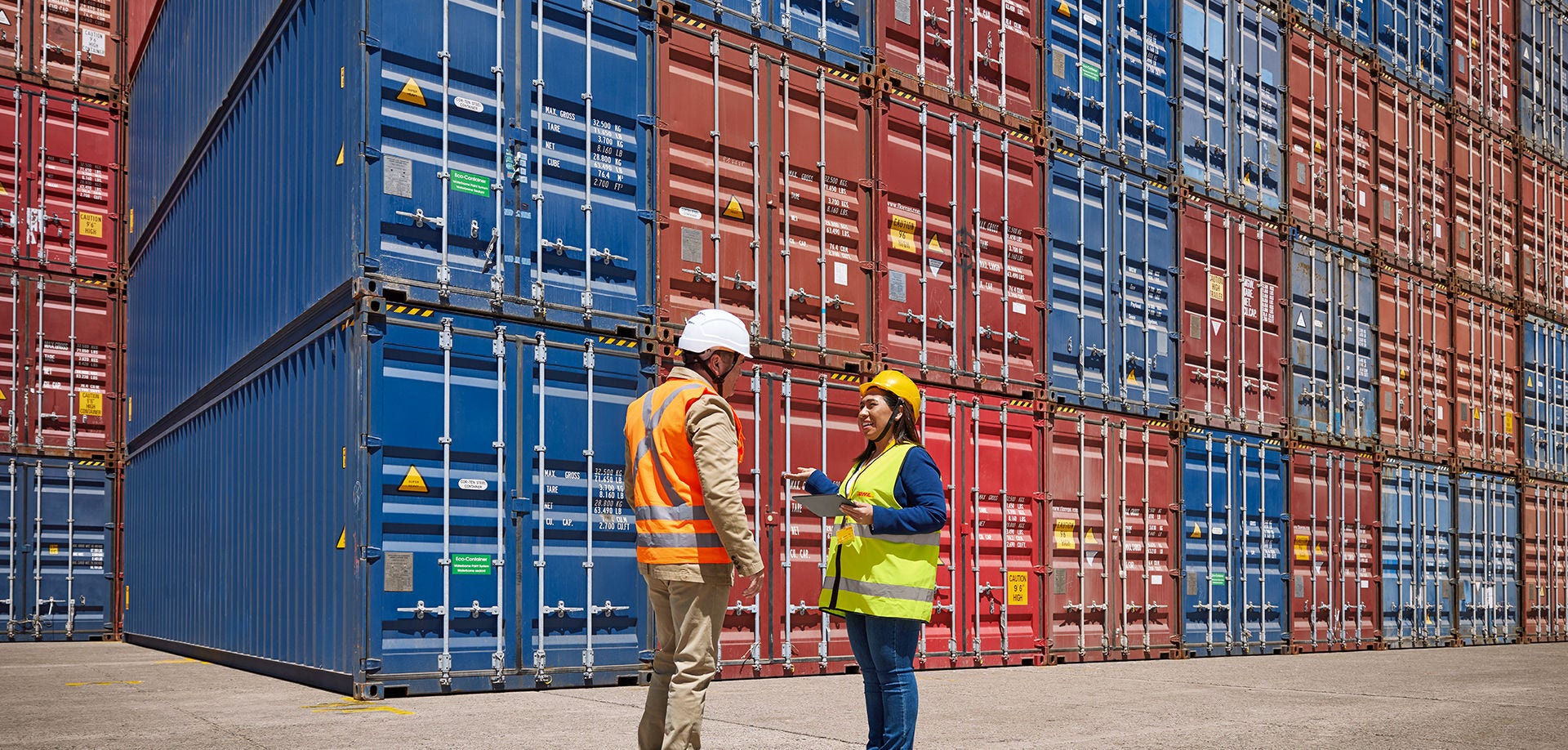
While weather often receives the most attention, it is rarely the sole cause of port congestion. Labour disputes, equipment shortages, and infrastructure capacity constraints at major hubs can disrupt shipping schedules just as severely. Geopolitical events can introduce an additional layer of unpredictability to established shipping routes.
Regional weather hazards still serve to amplify these existing pressures. Extreme storms and seasonal monsoons can compel ports to halt loading and unloading operations entirely. Even a short closure at an already stretched facility can create backlogs that take weeks to clear.
Where this hits hardest, market by market
In India, the annual monsoon season, which typically runs from June to September which regularly causes operational shutdowns at major western ports. Heavy rainfall and high winds can stall container processing and delay the road freight services required to move goods inland. Capacity also tightens significantly during the pre-Diwali peak shipping period, as businesses increase inventory for the festive season.
When does express air shipping make financial sense?
Redirecting shipments by air becomes a sound financial decision when the cost of production downtime, missed sales opportunities, or contract penalties exceeds the premium price of air freight. In many cases, paying a higher shipping rate is more cost-effective than allowing a factory floor to stand idle. Similarly, meeting a seasonal retail launch date can be more critical to your market position than the additional transport cost.
How Heavy Weight Express keeps larger shipments moving during congestion
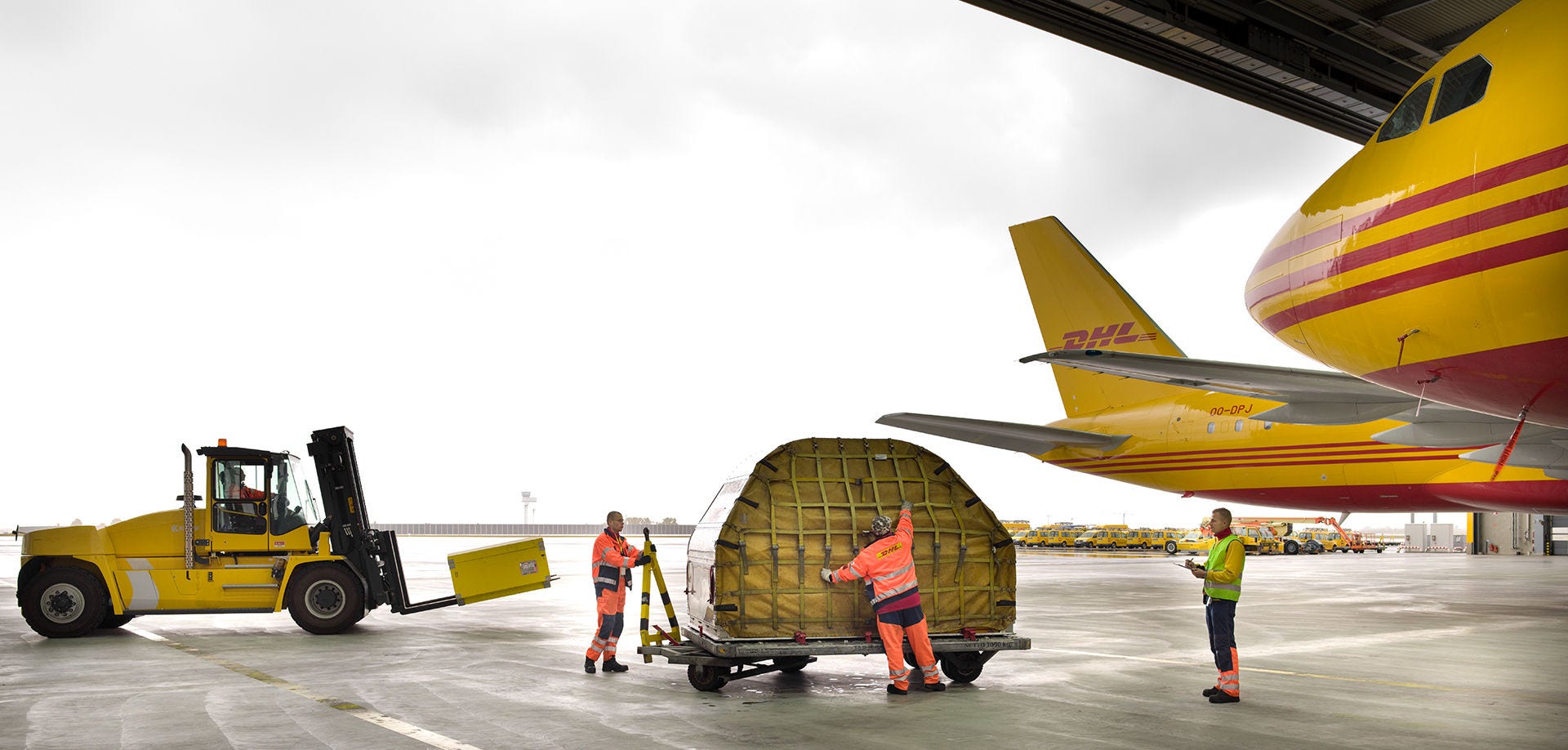
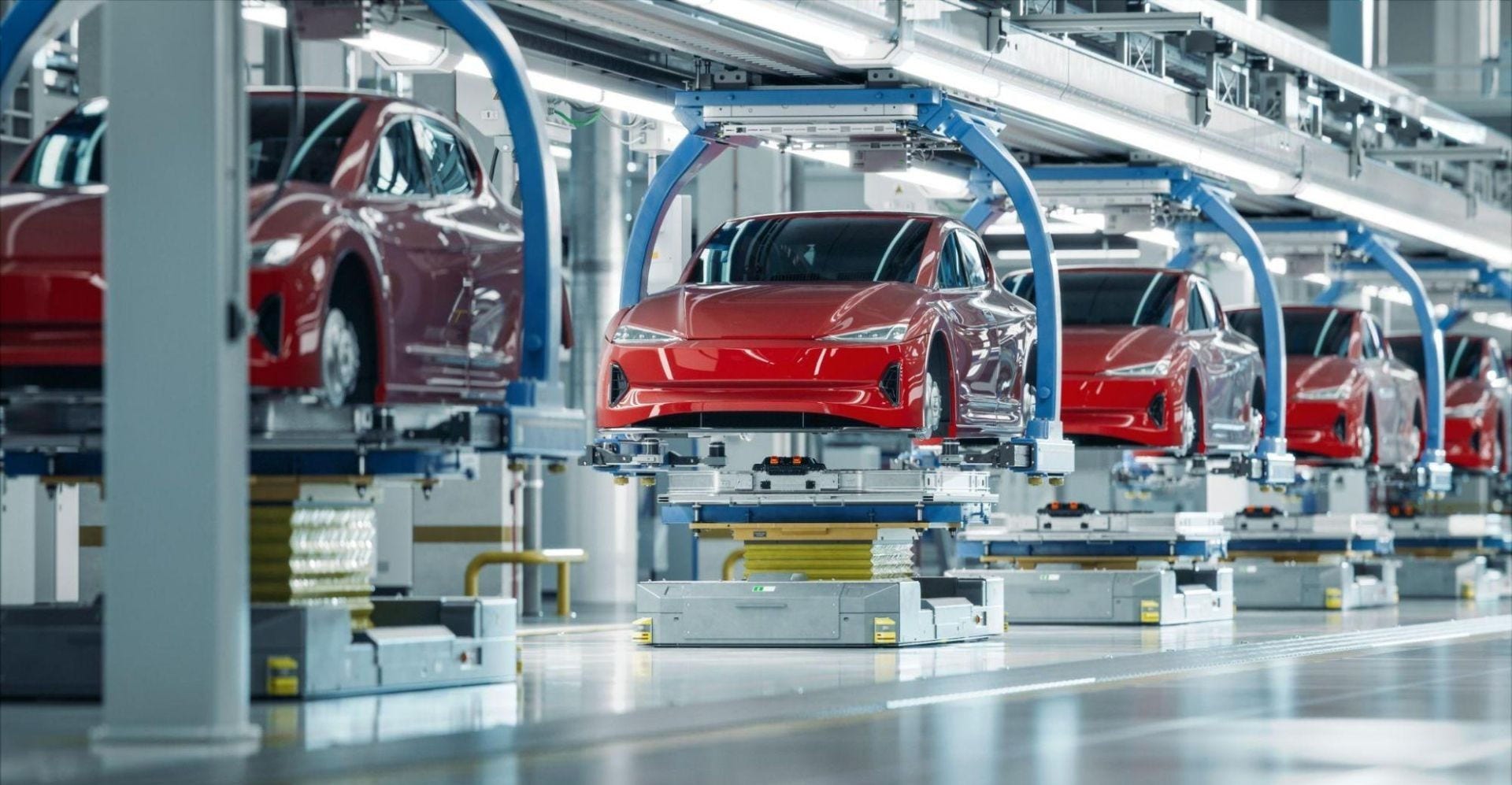
Port congestion doesn't just strand small parcels. It's often the heavier freight, machinery parts, automotive components, industrial equipment, that gets stuck waiting for ocean capacity. DHL Express Heavy Weight Express (HWX) is built for exactly that gap, moving shipments up to 1,000kg per piece and 3,000kg per shipment through DHL's own aircraft, hubs, and customs network rather than competing for space on general air cargo capacity.
Every HWX shipment gets dedicated case ownership through DHL's Heavy Weight Priority Desks, with fixed, all-inclusive pricing that helps you avoid the rate volatility that usually comes with redirecting large freight at short notice.
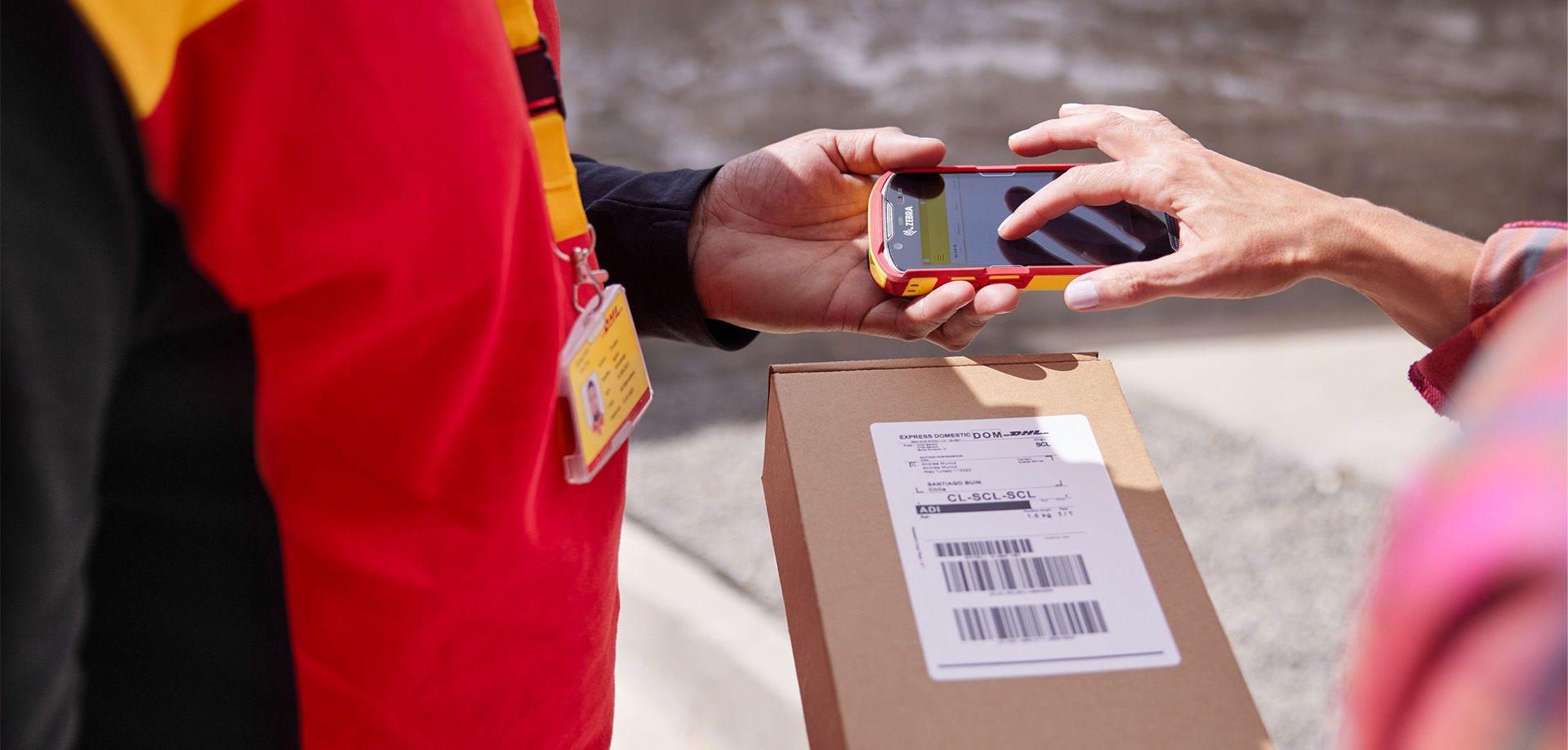
Running the cost-benefit case is straightforward inside MyDHL+, where transparent, real-time pricing lets shipping managers compare the HWX premium against the cost of continued delay the moment ocean cargo stalls.
Three scenarios where the maths favours air
These are common situations where the premium for air freight typically provides a return on investment:
Financial Scenario
| Operational Impact
| Strategic Benefit
|
|---|
Emergency Parts
| Sourcing critical machinery components
| Reduces expensive factory stoppages
|
High-Value Launches
| Moving premium electronics via air
| Helps avoid missing seasonal sales windows
|
SLA Penalties
| Shipping urgent goods via air
| Helps you avoid heavy non-compliance fines
|
Significant daily charges for bonded storage can accumulate after the initial free period, quickly erasing your product margins if your cargo is delayed.
Bypass maritime bottlenecks before they start
Port congestion remains a persistent challenge in the global supply chain, and predicting which port will face the next major delay is increasingly difficult. A heavy reliance on congested seaports exposes your business to expensive delays and stockouts that can be mitigated with proactive planning. DHL Express supports this strategic shift with tools like MyDHL+ for real-time rate comparison and a range of high-priority air express options for shipments that cannot afford to wait.
Open a DHL Express account today to build your air express contingency plan before the next port bottleneck affects your business.
Frequently Asked Questions