Your first campaign does not need to be complicated. It does need to answer a few important questions.
1. What result do you want?
Choose the campaign objective that matches the action you want customers to take.
If customers complete purchases on your website and the site tracks those purchases correctly, choose Sales. If most orders are handled through WhatsApp or Messenger, an Engagement or Leads campaign designed around messaging may be a better fit.
Do not choose Traffic simply because website visits sound useful. If your real goal is to generate orders, optimise for an action that is closer to an actual sale.
2. Where can you deliver?
Decide where you can reliably fulfil orders before choosing your target locations.
Meta makes it easy to target people throughout Kenya. Delivering to them is the harder part. If you can only serve customers in Nairobi, targeting the whole country means paying for enquiries and clicks from people you cannot help.
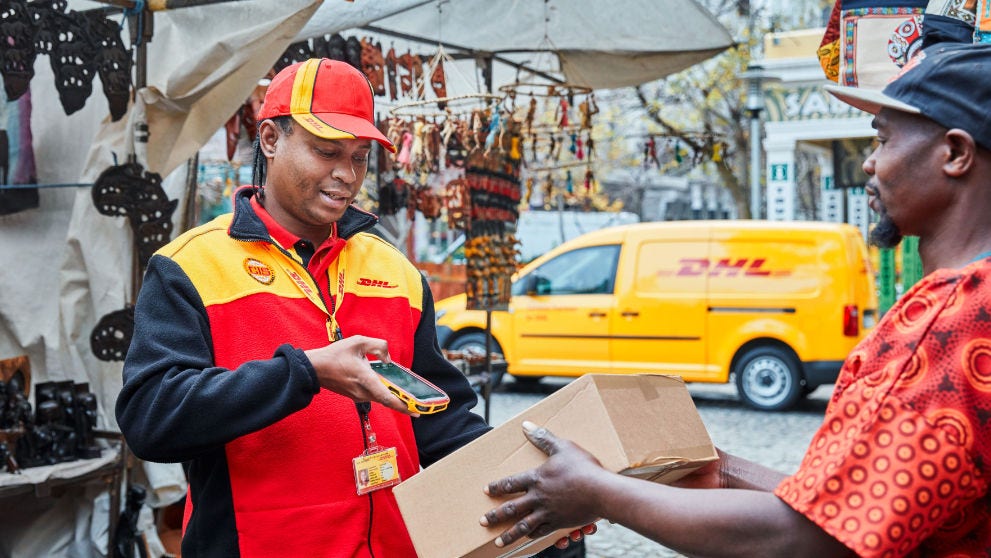
A reliable delivery network gives you more room to grow. DHL serves destinations across Kenya, from major towns and cities to harder-to-reach locations, with shipment tracking throughout the journey. That means your campaigns do not have to stop at Nairobi.
3. How much can you spend consistently?
Start with a budget you can afford to run for long enough to learn from the results.
Avoid changing the campaign every day. Meta’s system needs time and data to understand which people are most likely to respond. Frequent changes can make it harder to see what is actually working.
Once the campaign has generated enough results, compare the cost of each order, not just the cost of each click.
4. What exactly are you advertising?
Build each ad around one product, one offer and one clear next step.
Tell customers what they need to know before they tap. That may include:
Clear terms reduce unnecessary questions and help serious customers make decisions faster.
5. How will you measure success?
Likes and comments can make an ad look busy. They do not necessarily make it profitable.
The more useful figure is the amount you spend to generate each completed, delivered order. You should also monitor cancelled orders, failed deliveries and repeat purchases. Those numbers show whether your advertising is attracting customers your business can serve profitably.
The Boost button on Facebook offers a simpler way to promote an existing post. It can be useful for a quick test, but Meta Ads Manager gives you more control over objectives, audiences, placements and measurement.
What happens after the customer clicks?
The advert has done its job once a customer taps. From that point, the experience is in your hands.
This is where many promising campaigns lose momentum.
A customer may like the product and accept the price, then hesitate because the delivery terms are unclear. They may place the order but lose confidence after receiving no updates. Every “Where is my order?” message is a sign that the customer is being asked to find information the business should already have provided.
Good delivery protects the trust your advert worked and paid to create.
With DHL Express, shipments include end-to-end tracking and automatic updates, allowing customers to follow their parcels without repeatedly contacting your business.
On Demand Delivery gives recipients more control. Depending on the available options, customers may be able to reschedule delivery, redirect the parcel or arrange collection from a DHL ServicePoint when they will not be available to receive it.
That flexibility can make a real difference for busy customers, whether they are at work in Nairobi, travelling between counties or ordering from abroad.
Reaching Kenyan customers overseas
Meta ads are not limited to customers living in Kenya. Businesses can also target Kenyans in other countries, opening opportunities for products such as fashion, beauty items, artwork, gifts, food products and locally made goods.
International advertising introduces a bigger delivery question: can the order reach the customer reliably and without unexpected costs?
DHL Express delivers to more than 220 countries and territories, with published transit times. Duties and Taxes Paid billing can also help businesses give customers a clearer total cost before purchase, reducing the risk of surprise charges when the parcel arrives.
Before targeting international customers, check product restrictions, customs requirements, packaging needs and the total landed cost. A strong advert may win the order, but a clear cross-border delivery experience is what makes the customer willing to buy again.
Build the delivery promise before you launch the ad
If your campaign produces first-time buyers but few repeat customers, do not immediately blame the audience or the creative. Start by checking what happened after each click.
Was it easy to place the order? Were the delivery charges clear? Did the customer receive a realistic delivery date? Could they track the parcel without chasing your business for updates?
Set those details before writing the advert. Then build your message around a promise you know you can keep: the locations you serve, the expected delivery date, the cost and how customers can follow their orders.
A DHL business account gives you practical information to support that promise. Through MyDHL+, you can view shipment rates and estimated delivery dates, prepare shipping documents, book collection and track parcels.
So when a customer in Kisumu, Mombasa or London asks, “Do you deliver here?”, you can give them a clear answer.
Before setting your next Meta advertising budget, set up the delivery experience behind it.
Open a DHL business account and turn your next ad click into a delivery promise you can keep.