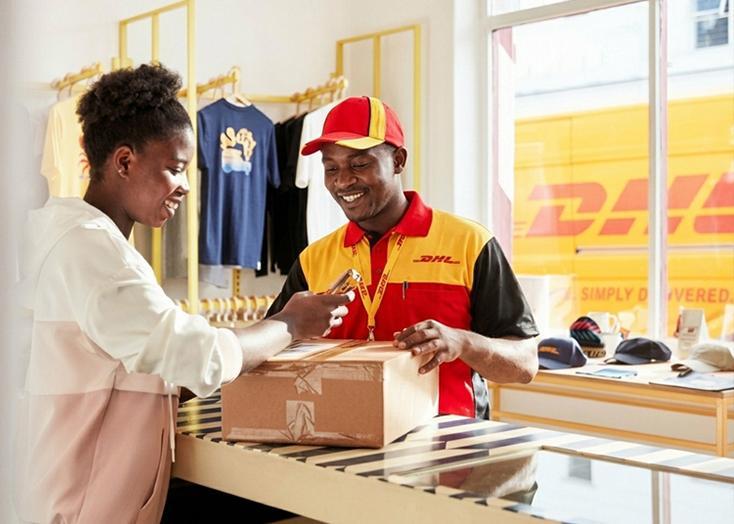
If your business is based in Nairobi and only serving customers within the city, you’re missing out on the real Kenyan market. Beyond the capital lies a massive consumer base, Mombasa, Kisumu, Nakuru, Eldoret, and the countless smaller towns and rural communities that keep Kenya moving. There’s real buying power outside Nairobi, and the only thing holding back many SMEs is logistics, not demand.
Reaching customers across counties isn’t just about moving goods from point A to B. It’s a growth strategy that positions your business to play on a bigger stage. When your deliveries are reliable and timely, you open up new markets, earn loyal customers in every corner of the country, and set your brand apart. Strong logistics simplify your processes, keep costs in check, and, most importantly, build trust. This guide will show you how to set up a shipping strategy that lets you scale.
Start With the Basics: Mastering Domestic Shipping
Domestic shipping in Kenya is all about getting goods from one place to another within our borders. It’s faster and cheaper than international shipping, and you won’t need to wrestle with customs paperwork. But don’t be fooled, cross-county deliveries still need proper documentation, especially when you’re moving commercial goods through checkpoints.
Always have a clear commercial invoice and a proper waybill. These are your golden tickets, without them, your shipment could get delayed, or worse, turned back. Nail these basics, and you’ll avoid headaches down the road while showing your customers you mean business.
Move Beyond Boda Boda to Professional Logistics
Most Nairobi SMEs start out using boda bodas for local deliveries. It’s quick, affordable, and perfect for short distances. But try getting a parcel to Kisumu or Eldoret that way and you’ll see the cracks. Informal delivery networks are patchy, untracked, and you can’t guarantee when, or even if, the package will arrive.
To serve customers nationwide, you need a real logistics partner. One who offers waybill-based shipping, end-to-end tracking, and guaranteed delivery timelines. Suddenly, the customer in Eldoret gets the same level of service as the one in Westlands. That kind of consistency is what builds brands that people trust and recommend.
Keep It Fast and Flexible
Speed is the name of the game. In Kenya’s e-commerce space, next-day or two-day delivery can be the difference between winning a customer, and losing one. Don’t underestimate how much people value their time. Offering express delivery isn’t just a nice touch; it’s a real edge over the competition.
Flexibility is key, too. Let your customers choose where and when their parcels arrive, whether it’s their home, office, or a pick-up point. It reduces missed deliveries and those endless calls to your support team. Be smart with packaging, think about dimensional weight, because couriers will charge for whichever is higher: the actual weight or the size. Keep your pricing clear, and always offer real-time tracking via SMS or email. When customers can see their parcel’s journey, trust goes up and complaints go down.
Nail Last-Mile Delivery Across Counties
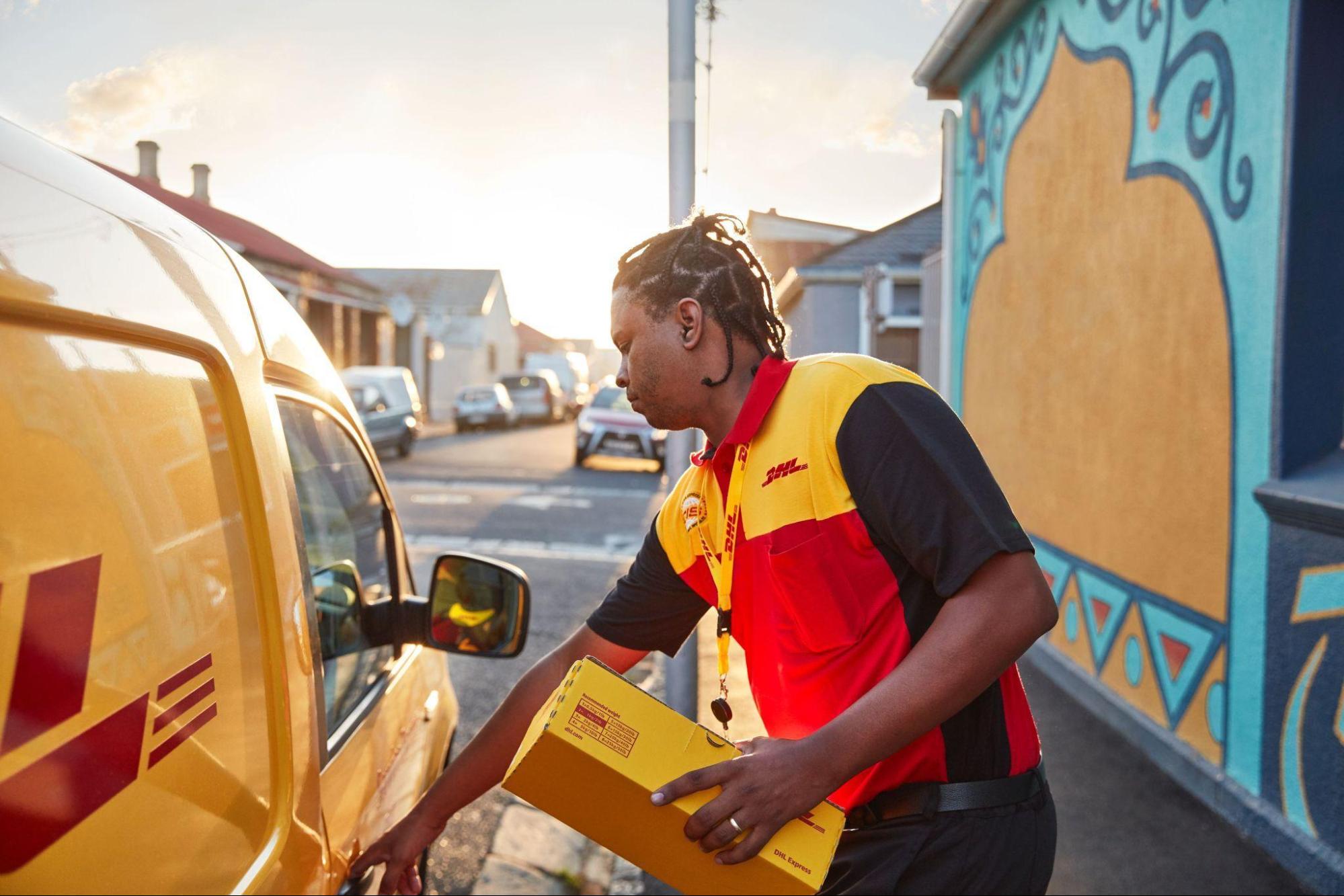
The last mile is where great shipping strategies are made, or broken. It’s the final stretch, from the distribution hub right to your customer’s doorstep. Get this part right, and you’ll see more repeat buyers and positive word-of-mouth, especially in towns where reputation travels fast.
Choose a logistics partner who offers real-time tracking at every step. When customers know where their order is, they feel valued, not forgotten. Fewer missed deliveries means fewer refund requests and a stronger brand, especially outside Nairobi. Delivering reliably in the counties is how you turn first-time buyers into loyal fans.
Don’t Overlook Rural and Hard-to-Reach Areas
If your shipping strategy skips over rural Kenya, you’re setting a ceiling for your business. Map your delivery zones carefully. Know where your network reaches and where it doesn’t. Be upfront about delivery timelines for remote areas, and package goods well, especially if they’re fragile or perishable. Work with logistics partners who know the backroads as well as the highways, and keep customers updated so they’re never left guessing.
Scale Up With the Right Partners and Technology
As your business grows, your logistics need to keep up. Many SMEs hit a growth ceiling because they try to scale with the same informal methods that worked when they were small.
Invest in digital inventory management so you always know what’s in stock. Link your sales channels to your inventory for real-time updates, no more disappointing customers with “out of stock” messages. Offer both mobile money and cash-on-delivery (COD) to cater to all buyers, especially those outside Nairobi who prefer paying on delivery.
Look for logistics partners who offer scalable solutions: flexible delivery, safe COD handling, warehousing, fulfillment, and tracking whether you’re shipping 10 or 500 parcels a day. Tools like MyDHL+ make it easy to manage domestic and international orders from a single dashboard, generate waybills, track shipments, and get a bird’s-eye view of your operation as you grow.

Why DHL Is the Right Choice for Kenyan SMEs
DHL delivers across all of Kenya, from city centers to remote villages, with real-time tracking, flexible delivery options, and solutions built for businesses at every stage.
Whether you’re just starting to expand outside Nairobi or already shipping nationwide, DHL gives you the infrastructure and expertise to grow with confidence. Open a DHL business account and give your logistics the foundation your business deserves.
Ready to Succeed in Every County?
A seamless cross-county shipping strategy relies on the right mix: a solid grip on domestic shipping, a professional and trackable delivery process, the ability to reach every type of customer, and a logistics partner who can scale with you.
Kenya’s real opportunity isn’t just in Nairobi. It’s in every county, every market, every rural community, places full of customers who want what you sell, if only you can reach them. Build your logistics right, and there’s no limit to how far your business can go.
Frequently Asked Questions
When sending goods across counties in Kenya, you won't have to worry about international customs paperwork, but you still need to meet some basic requirements.
Every commercial shipment must be accompanied by a properly filled out commercial invoice and a waybill that’s accurate and up to date. These documents are essential for passing through highway checkpoints and county borders without delays. Make sure your paperwork is clear and complete before your shipment leaves, so you avoid unnecessary holdups on the road.
Reaching customers in rural Kenya is full of opportunity, and indeed you can turn rural delivery into business growth. But it does come with its own set of challenges. To make sure your deliveries arrive safe and sound, and on time, start by mapping out exactly where your logistics partners can reach. Set honest expectations with your customers; let them know if deliveries to their location might take a bit longer. Use strong, protective packaging, especially for anything fragile or perishable, to handle the rough roads common in upcountry areas. And above all, keep your customers informed. Work with a carrier that provides real-time tracking and regular updates, so your customers always know where their package is, every step of the way.
Tracking your DHL Express international shipment is easy and straightforward. Just find your tracking number, this will be on your shipping label, receipt, or in your confirmation email. Head over to the DHL Tracking Tool online, enter your tracking number, and you’ll see your shipment’s current status, estimated delivery date, and a full scan history with detailed location updates. If you can’t find your tracking number, reach out to the sender or the retailer you ordered from, and they’ll be able to assist you.


 Share
Share
Similar Stories