#eCommerceAdvice

How to Scale Kenyan E-commerce: Systems, Logistics, and Growth that Lasts

How to Scale Kenyan E-commerce
This article covers:
Why systems enable sustainable e-commerce business growth.
How integrated logistics improve fulfillment and efficiency.
Why strong operations support long-term business scaling.

If you ask most Kenyan e-commerce founders how they started, the story usually sounds the same. They began with a handful of orders on WhatsApp or Instagram, packed boxes in their sitting room, and made deliveries on their own.

For a while, it works, until success brings its own problems. Suddenly, orders multiply, deliveries get delayed, and managing stock turns into guesswork. The pressure mounts. What was once exciting momentum now feels like firefighting. The issue isn’t a lack of customers, it’s the absence of solid systems that can handle growth without breaking.

Scaling an e-commerce business in Kenya isn’t just about pushing more sales. It’s about building operations, retail, logistics, and customer service, that run reliably, even when you’re not watching every step. Here’s how to lay the foundations for real, sustainable growth.

Why Systems, Not Hustle, Are the Key to Scaling

Every business owner reaches that invisible ceiling, where growth slows because everything depends on them. If you’re still tracking orders with spreadsheets, guessing stock levels, chasing payments on WhatsApp, and coordinating deliveries one by one, you’re working hard, but not smart. That’s hustle, not a system.

True logistics excellence is about removing roadblocks, cutting costs, and serving customers better with less effort. It’s about moving from founder-driven processes to documented, repeatable systems, then automating wherever possible. That’s what gives you breathing room to grow.

/content/dam/kenya/ecommerce-advice/ecommerce-best-practice/Create a Single Source of Truth.jpg

Create a Single Source of Truth: Integrate ERP, Inventory, and Sales

One of the biggest headaches for Kenyan sellers is juggling disconnected tools, where your website says an item is in stock when it’s not, or orders from Instagram take hours to show up in your system. These gaps lead to overselling, double entry, missed orders, and unhappy customers.

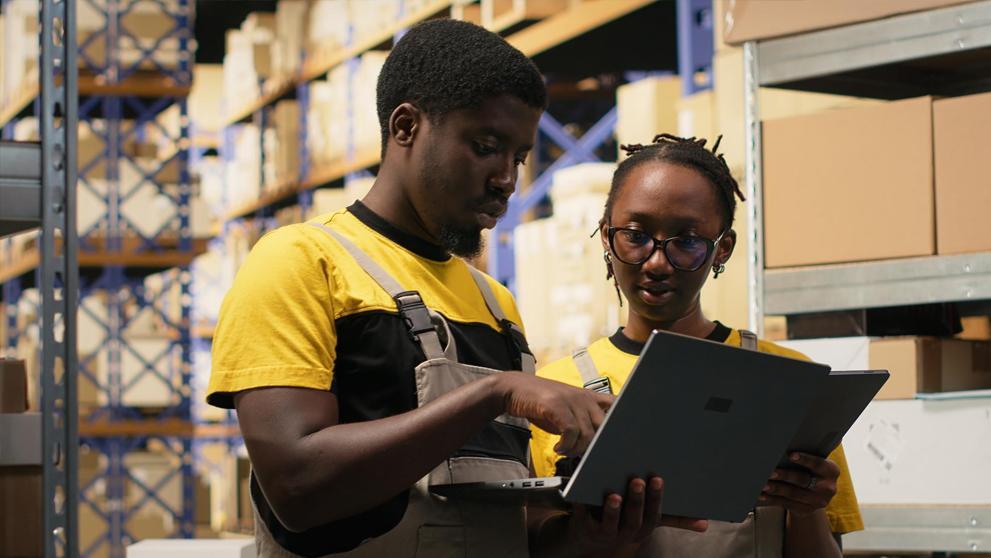
Integration is the solution. When your sales channels, inventory, order management, and customer data all talk to each other in real time, your business runs smoother. A sale anywhere instantly updates stock levels everywhere. Orders are processed and fulfilled automatically, with fewer errors and manual checks. Inventory sync lets you forecast demand and reorder on time, rather than scrambling when items run out.

Today, cloud-based ERP and inventory tools are within reach for Kenyan businesses of all sizes. The investment is far less than the cost of constant mistakes and missed sales.

Make Fulfillment and Last-Mile Delivery Your Strength

In Kenya, delivery is where most e-commerce businesses either win loyalty or lose customers for good. People expect fast, reliable service, whether they’re in Nairobi, Kisumu, or the coast. If you can’t guarantee delivery, buyers will quickly look elsewhere.

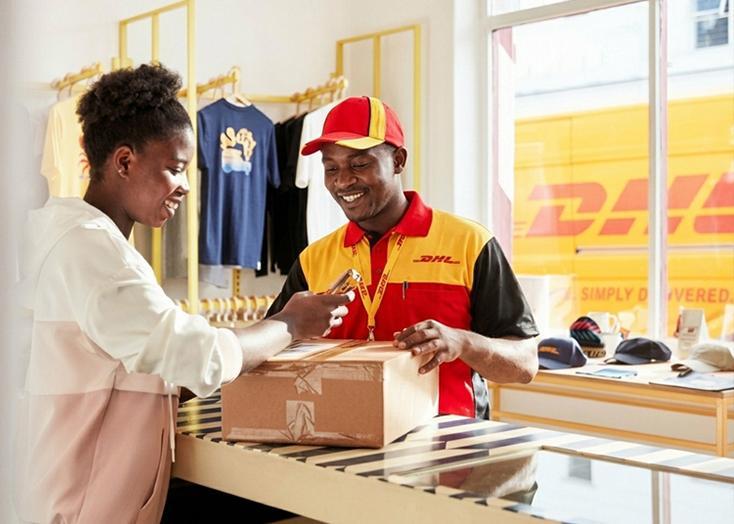
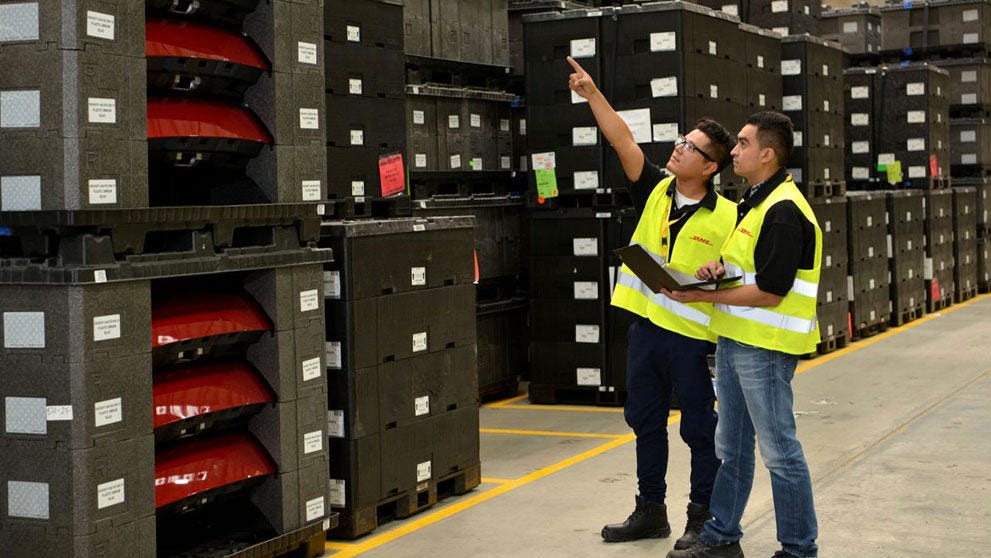
As your business grows, managing fulfillment in-house gets tougher. Handling every package yourself means constant stress and little time to focus on growth. This is where working with a third-party logistics (3PL) provider comes in. 3PLs handle warehousing, order packing, and delivery at scale, freeing you up to focus on sales and customer experience.

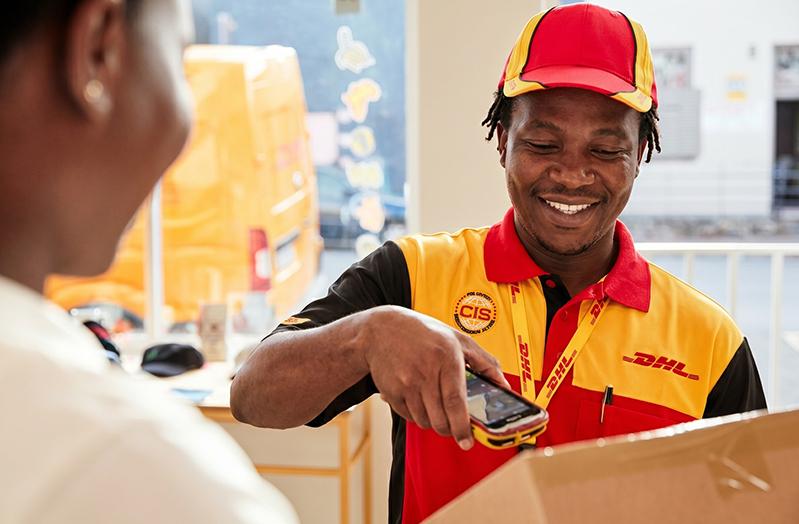
Modern logistics partners offer real-time tracking, so your customers always know where their order is. This kind of transparency builds trust and keeps complaints down. Choose a delivery partner who can scale with you, offering flexible solutions that match your ambitions.

Get Ahead of Demand: Strengthen Supplier Management

Suppliers aren’t just there to send stock, they’re a key part of your growth engine. If you only think about suppliers when you’re out of inventory, you’re always one delay away from disaster.

Get agreements in writing, covering pricing, lead times, payment terms, and standards. Don’t wait for problems, ask for regular updates, and always have a backup supplier for critical products. That way, if there’s a hiccup, your business keeps moving.

Transform Returns from a Headache to a Win

Many Kenyan e-commerce businesses see returns as a loss, but they’re actually an opportunity, if you handle them right. A simple, clear returns policy makes shoppers more confident, especially first-time buyers. Customers who have a good returns experience are far more likely to come back.

Operationally, well-managed returns save money. When items come back quickly and in good condition, you can restock and resell them, rather than letting them gather dust. Analyze returns data, it can reveal problems with product descriptions, sizing, or quality. Fixing these reduces your return rate and boosts customer satisfaction.

/content/dam/kenya/ecommerce-advice/ecommerce-best-practice/Ready for Serious Growth.jpg

Ready for Serious Growth? Partner with DHL

If you’re looking to take your Kenyan e-commerce business to the next level, consider a global logistics partner like DHL. From scalable last-mile delivery and reliable fulfillment to seamless international shipping as you expand, DHL’s infrastructure is designed to support ambitious businesses. With DHL, you can focus on selling, knowing your operations are in expert hands.

Build for the Next Big Leap

The businesses that scale smoothly aren’t working harder, they’re working smarter, with systems that are ready before the flood of orders comes in. Integrated sales and inventory tools, trusted delivery partners, solid supplier contracts, and a professional returns process aren’t just for the big players. They’re the foundation for any Kenyan e-commerce brand ready to grow from a hundred orders a month to a thousand, and beyond. Build your systems now, and you’ll have the confidence (and headspace) to welcome growth when it comes.


Frequently Asked Questions

Every ambitious Kenyan online business hits a point where WhatsApp messages, handwritten stock notes, and endless spreadsheets just can’t keep up. This “admin ceiling” creeps in as your orders grow, and suddenly, delays, stock errors, and missed deliveries start piling up. By embracing automated systems, you free yourself from daily firefighting and create a business that runs smoothly, even when you step back. Automation is the difference between scrambling to keep up and confidently growing your brand.

An integrated inventory system is like having eyes everywhere at once. Whether your customer is buying through your website, Instagram, or a pop-up shop, every sale instantly updates your stock in real time. No more double-selling that last item or manually updating sheets. The system keeps your numbers accurate and your customers happy, making overselling a thing of the past.

Sending out a parcel with DHL Express? It’s easy to find a convenient drop-off point near you. Just head to the DHL Express ServicePoint Locator online and follow these steps:

  • Choose your service (Send, Collect, or Send & Collect)

  • Select your preferred payment option, pay at the ServicePoint or use a prepaid label

  • Pick how you’ll handle your label: print at location, use a QR code, or bring a label from home

  • Enter your location or ZIP code to see the nearest ServicePoints, their opening hours, and available services

With plenty of secure and accessible drop-off options across Kenya, sending your parcels is hassle-free.

Managing your own packaging and deliveries can work at the start. But as you grow, it becomes nearly impossible to keep up without help. Choosing a trusted 3PL partner brings real benefits:

  • Fulfillment support: They handle the heavy lifting, warehousing, picking, and packing, while you focus on your business.

  • Wider reach: Get your products reliably delivered across Nairobi, Mombasa, Eldoret, Kisumu, and beyond.

  • Customer transparency: Real-time tracking lets your buyers know exactly where their orders are, reducing calls and making your brand look even more professional.

If your order numbers are still manageable and you want full control, handling fulfillment yourself can work. You know your products best. But as orders climb, packing and dispatch can eat up your time and energy. That’s when a logistics partner makes sense, they take care of storage, order fulfilment, and deliveries, so your customers get the service they expect while you focus on sales and growing your business. For more insights, check out Scaling Small Businesses in Kenya through Strategic Logistics.If your order numbers are still manageable and you want full control, handling fulfillment yourself can work. You know your products best. But as orders climb, packing and dispatch can eat up your time and energy. That’s when a logistics partner makes sense, they take care of storage, order fulfilment, and deliveries, so your customers get the service they expect while you focus on sales and growing your business. For more insights, check out Scaling Small Businesses in Kenya through Strategic Logistics.