#eCommerceAdvice


 Share
Share
Dropshipping or Inventory? Finding the Ideal Fulfillment Model for Kenyan Businesses
Share

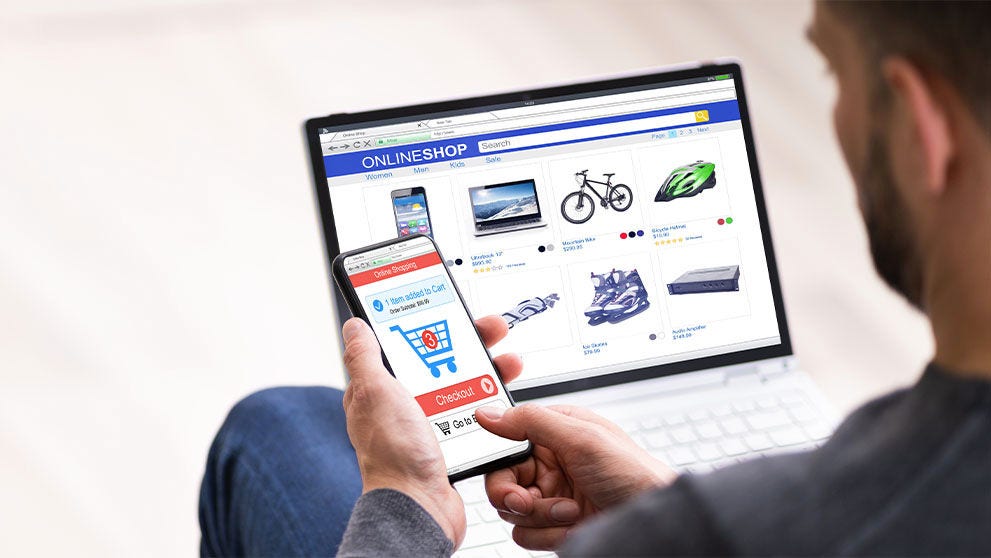
If you’re launching or running an online business in Kenya, one of your first big choices is how you’ll get products into your customers’ hands. Do you keep stock yourself, or do you let a supplier handle the shipping while you focus on sales? This decision affects your cash flow, control over quality, delivery speed, and how well your business can scale.
Kenya’s digital landscape is ready for either model. With the popularity of M-Pesa, affordable smartphones, and solid internet coverage, the basics are in place. But just because the infrastructure is there doesn’t mean there’s a one-size-fits-all answer. The right model depends on your budget, what you’re selling, and how far along your business is.
Understanding the Two Models
Dropshipping is straightforward. You list products on your website or marketplace, someone buys, and you pass the order to a supplier. The supplier ships directly to your customer. You never see or handle the product. Holding inventory is more hands-on. You buy stock upfront, store it, whether in a warehouse, a shop, or even a spare room, and you handle each order yourself as it comes in.
The Real Costs, Risks, and Rewards
Dropshipping’s biggest appeal is low risk. You don’t spend money on stock that might not sell, and you don’t need to pay for storage space. If you’re testing a new product or working with a tight budget, it’s a gentle way to start.
There’s a tradeoff, though. Margins are usually slim, because suppliers set prices and you’re likely competing with other sellers offering the same products. Holding inventory is different. It demands more money upfront and you risk ending up with unsold stock, but you can negotiate bulk discounts and set your own prices. Over time, this can mean higher profits.

Control, Brand, and Customer Experience
When it comes to customer experience, holding inventory gives you the upper hand. You control how quickly orders go out, how products are packaged, and the quality your customers receive. That consistency builds trust and makes branding easier.
With dropshipping, you can scale quickly, adding new products without worrying about storage, but you lose some control. If a shipment is delayed or quality slips, your reputation, not your supplier’s, is on the line.
What Kenyan Entrepreneurs Should Consider
On the ground in Kenya, success in either model comes down to local realities. For dropshippers, reliable suppliers are essential, whether they’re local, regional, or international. Delays and stockouts are common pain points. Products that are affordable and easy to ship, like phone accessories, beauty tools, kitchen gadgets, and fashion items, are a good fit for dropshipping. Whatever model you choose, remember: your prices should factor in not just the cost of goods, but shipping, platform fees, and your margin.
There’s a tradeoff, though. Margins are usually slim, because suppliers set prices and you’re likely competing with other sellers offering the same products. Holding inventory is different. It demands more money upfront and you risk ending up with unsold stock, but you can negotiate bulk discounts and set your own prices. Over time, this can mean higher profits.
Control, Brand, and Customer Experience
When it comes to customer experience, holding inventory gives you the upper hand. You control how quickly orders go out, how products are packaged, and the quality your customers receive. That consistency builds trust and makes branding easier. With dropshipping, you can scale quickly, adding new products without worrying about storage, but you lose some control. If a shipment is delayed or quality slips, your reputation, not your supplier’s, is on the line.
What Kenyan Entrepreneurs Should Consider
On the ground in Kenya, success in either model comes down to local realities. For dropshippers, reliable suppliers are essential, whether they’re local, regional, or international. Delays and stockouts are common pain points. Products that are affordable and easy to ship, like phone accessories, beauty tools, kitchen gadgets, and fashion items, are a good fit for dropshipping. Whatever model you choose, remember: your prices should factor in not just the cost of goods, but shipping, platform fees, and your margin.

So, Which Model Should You Choose?
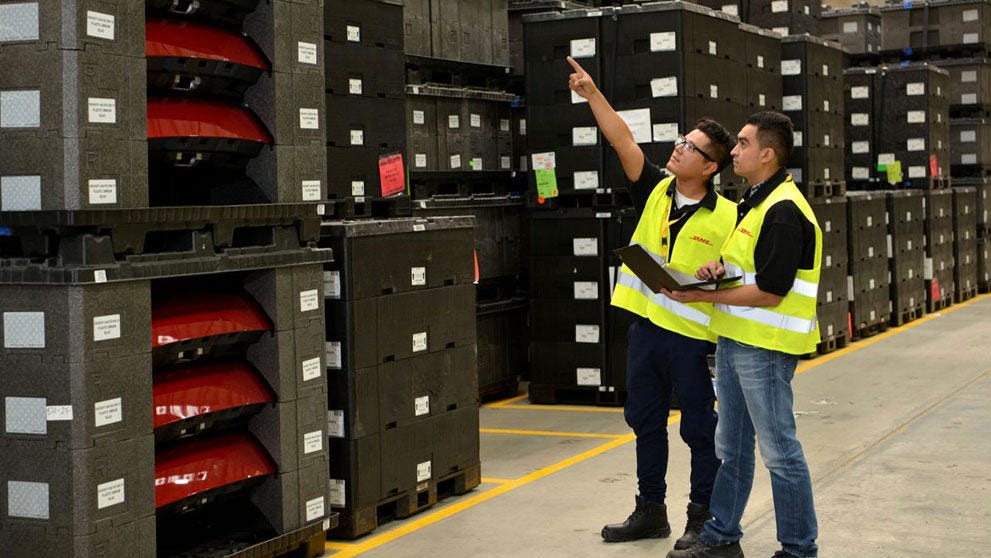
If you’re just starting out, want to test a new idea, or are working with limited capital, dropshipping gives you a safer way to experiment and learn the market. But as your business grows, and as speed, branding, and quality become more important, it may be time to consider holding your own stock. The smart move is to keep checking your numbers, only take on inventory when the profits and control make the extra work worth it.
In the end, there’s no single model that fits every Kenyan business. What matters is matching the model to your stage and your goals, then growing and adapting as you learn.
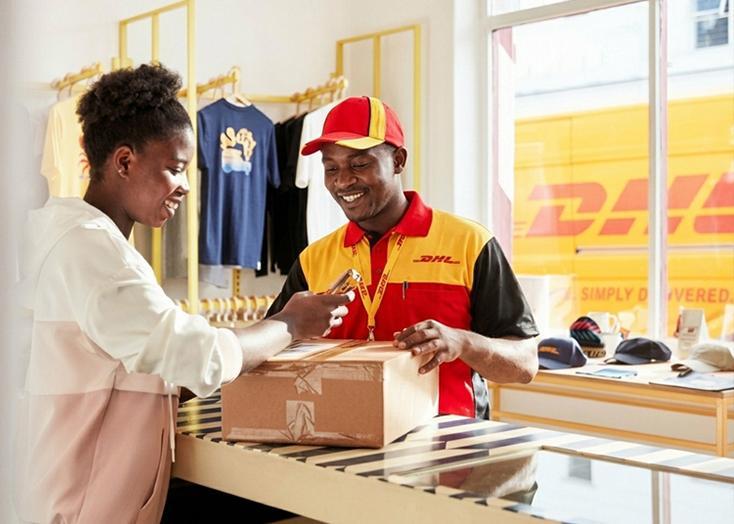
No matter which path you choose, what keeps customers coming back is getting their orders on time, every time. If you’re still figuring out shipping, customs, or last-mile delivery, partnering with a trusted logistics provider like DHL can make all the difference. That way, you can focus on growing your business, while experts handle your deliveries, safely, reliably, and efficiently.
Frequently Asked Questions
Dropshipping: You list products online, and when a customer orders, the supplier ships it directly to them. You never buy bulk stock or handle the physical product.
Holding Inventory: You buy products in bulk upfront, store them locally, and pack and ship the orders yourself when sales come in.
The dropshipping model is the easiest way to start with low investment. Because you only purchase an item after a customer has already paid you for it, you avoid tying up your money in unsold stock or spending capital on warehouse rent.
You can drop off your DHL Express shipment at a nearby DHL Express ServicePoint or authorized partner location. To find one, go to the DHL Express ServicePoint Locator and follow these steps:
Select your service type (Send, Collect, or Send & Collect)
Choose a payment method (e.g., pay at the ServicePoint or use a prepaid label)
Select a handling option (print at location, use a QR code, or bring a label)
Enter your ZIP code to view available drop-off points, hours, and services
You should consider moving your inventory in-house once you have validated market demand for your products. Bringing stock in-house allows you to negotiate bulk discounts for better profit margins and gives you full control over packaging, branding, and faster delivery speeds.
DHL Express provides time-definite express shipping to over 220 countries and territories. Most international shipments arrive by the next possible business day, but delivery times vary depending on the origin, destination, and service selected.
To estimate delivery times before shipping, get a rate and time quote.
If you’ve already shipped, use the DHL Tracking Tool to view your shipment’s status and delivery date.
Share
Similar Stories