#LogisticsAdvice

Import documents required in Sri Lanka: Everything to know

7 Mins Read
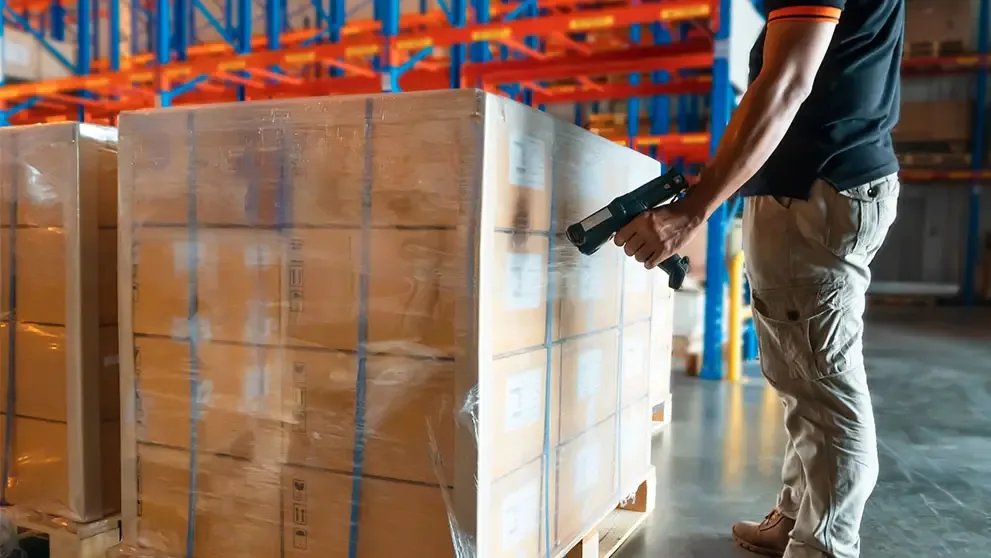
dhl express checking import documents required in sri lanka

Importing goods into Sri Lanka requires accurate and complete documentation. From customs declarations to product-specific permits, the documents required for import play a critical role in determining clearance speed, duty assessment, and regulatory compliance.

Sri Lanka continues to see active trade flows. In December 2025 alone, total imports reached approximately US$2.2 billion1, reflecting continued year-on-year growth. As import volumes increase, so does scrutiny from regulatory authorities across different product categories. Importers must therefore ensure that their documents for import procedure are aligned with current customs requirements.

This guide provides a clear overview of the documents needed for importing to Sri Lanka, including customs paperwork, product-specific certifications, and tax-related requirements. With the right preparation, businesses can reduce delays, avoid unnecessary inspections, and ensure smoother customs clearance.

Why import documentation matters in Sri Lanka

In Sri Lanka, import documents directly determine how smoothly a shipment moves through customs. The information submitted influences:

  • The speed of customs clearance: Accurate and complete documents for customs clearance allow authorities to process declarations efficiently. Missing details or inconsistencies often trigger manual reviews, which can significantly extend clearance timelines.
  • The calculation of duties and taxes payable: Customs value, product description, HS classification, and country of origin all influence the amount of import duty and VAT assessed. Incorrect information in the import documents can result in overpayment, reassessment, or penalties.
  • Whether the shipment meets regulatory and legal requirements: Certain goods are subject to licensing, health certifications, or technical approvals. Without the correct documentation for import procedure, shipments may be placed on hold until compliance is verified.

Customs authorities assess each shipment based on the declared product description, value, origin, and supporting certificates. If the documents for import clearance are accurate and complete, goods are more likely to be processed efficiently.

However, errors or inconsistencies in documentation can lead to:

  • Clearance delays
  • Additional inspections
  • Recalculation of duties and taxes
  • Storage charges or, in severe cases, shipment returns

Import requirements in Sri Lanka are not uniform. They vary depending on the product category, the country of origin, and the purpose of import — whether commercial, industrial, or personal use. Certain goods may require additional permits, certifications, or licences before they are eligible for release.

Basic documents required for all imports

Every shipment entering Sri Lanka must be supported by core documentation. These documents for import form the foundation of the customs clearance process and are required regardless of product category.

Commercial invoice

The commercial invoice is one of the most important documents required for import. It provides detailed information about:

  • The product description
  • Quantity and declared value
  • Buyer and seller details
  • Currency and payment terms

Sri Lanka Customs uses the commercial invoice to assess duties, VAT, and other import taxes. Inaccurate product descriptions or undervaluation can result in reassessment, penalties, or inspection delays. 

Packing list

The packing list outlines the physical details of the shipment, including:

  • Item quantities
  • Gross and net weight
  • Carton count
  • Dimensions

Customs officers rely on this document to verify that the contents match the customs import declaration and commercial invoice. Discrepancies between the packing list and other import documents required in Sri Lanka can trigger inspections or clearance delays.

Bill of lading (BoL) or air waybill (AWB)

The Bill of Lading or Air Waybill serves as proof of shipment and the contract of carriage between the shipper and the transport provider.

For air shipments, an Air Waybill (AWB) is issued. When using DHL Express for international shipping to Sri Lanka, the AWB functions as the primary transport document supporting customs clearance.

This document confirms:

  • The origin and destination of goods
  • The consignee details
  • The shipment tracking reference

Without a valid transport document, customs authorities cannot release the shipment.

Customs documents required for importing to Sri Lanka

Beyond basic shipment paperwork, importers must prepare specific documents for import customs clearance in Sri Lanka. These documents allow the customs officers to assess duties, verify compliance, and determine whether goods can be released.

Customs import declaration

The customs import declaration is a mandatory document required for import clearance. It formally declares shipment details to Sri Lanka Customs, including:

  • Description and classification of goods
  • Declared customs value
  • Country of origin
  • Applicable duties and taxes

This declaration determines the amount of duty and VAT payable and whether the shipment will be released, inspected, or subject to further review. It may be submitted electronically, depending on the import process and clearance channel.

Accurate information in the declaration is critical, as inconsistencies with other documents for customs clearance of goods can lead to delays or reassessment.

Certificate of origin (CoO)

The Certificate of Origin confirms where the goods were manufactured or produced. This document is often required for import customs clearance to:

  • Verify country of origin
  • Determine eligibility for preferential duty rates under trade agreements
  • Ensure compliance with trade regulations

Import licence

An import licence is required for certain regulated or restricted goods entering Sri Lanka. These licences are issued by the relevant authorities and are subject to regulatory approval.

Products commonly subject to licensing include items governed by health, environmental, or national security regulations. Importers must ensure that the appropriate licence is secured before shipping, as goods arriving without valid approval may be held or rejected.

Import control licence (if applicable)

Certain controlled goods require an import control licence issued by the Department of Import and Export Control.

This typically involves submitting:

  • An application form
  • Proforma invoice
  • Recommendation letter from the relevant parties authorizing the importation of such Product
  • Original and photocopied copy of the Business Registration Certificate 

Controlled items may include security-related products, selected appliances, or other regulated goods. Importers should verify whether their products fall within the controlled list prior to shipment to avoid clearance disruptions.

Product-specific documents you may need

In addition to the above-mentioned documents for import clearance, certain goods require extra approvals or certifications before they can be released by Sri Lanka Customs. These requirements depend on the product category and the regulatory authority overseeing it.

Food and agricultural products

Food imports must comply with Sri Lanka’s health and safety standards. Depending on the product, importers may need:

  • Good Manufacturing Practice (GMP) certification
  • Health or sanitary certificates
  • Phytosanitary certificate issued by the exporting country (for plant-based goods)
  • Import permit from the National Plant Quarantine Service or relevant authority

These documents confirm that the products meet safety, hygiene, and agricultural compliance standards before entry.

Pharmaceuticals and chemicals

Pharmaceutical and chemical imports are regulated by the National Medicines Regulatory Authority (NMRA).

Typical documentation may include:

  • NMRA approval
  • Certificate of Registration of Medicines
  • Batch release certificate from the manufacturer
  • Material Safety Data Sheet (MSDS)

Given the regulatory sensitivity of these goods, incomplete documentation can result in extended review or delayed customs clearance.

Vehicles

Importing vehicles into Sri Lanka requires additional regulatory approval. Common documents include:

  • Inspection certificate from an approved inspection agency
  • Proof of ownership
  • Import permit or letter of approval
  • Licence from the Controller General of Imports and Exports (for certain used vehicles)

Age restrictions and environmental standards may also apply, particularly for pre-owned vehicles.

Electronics and technical equipment

Electronics and technical equipment must meet local safety and technical standards. Importers may be required to provide:

  • Certificate of Conformity (CoC)
  • Sri Lanka Standards Institution (SLSI) certification

These documents confirm that the products comply with national safety and performance requirements before being distributed locally.

Taxes and tariffs documents

  • VAT (Value Added Tax) Registration: Confirms that applicable VAT on imported goods has been properly declared and accounted for.
  • TIN (Taxpayer Identification Number): Required for businesses importing into Sri Lanka. This number ensures the importer is registered for tax purposes.
  • Proof of Payment: Documents showing that duties, taxes, or tariffs have been paid, allowing customs to release the shipment without delay.

Additional documents that may be required

  • Insurance Certificate: Confirms that the shipment is insured against damage or loss during transit.
  • Bank Drafts or Letters of Credit: Used for high-value imports as a secure payment guarantee between buyer and seller.
  • Technical specifications or manuals: Provide product details to demonstrate compliance with Sri Lankan standards, especially for regulated equipment.

Common mistakes importers should avoid

Even when the right documents are prepared, small errors can disrupt the import procedure. To reduce delays during customs clearance in Sri Lanka, avoid these common mistakes:

  • Missing or inconsistent invoice details: Differences between the commercial invoice, packing list, and customs declaration can trigger inspections or reassessments.
  • Incorrect product descriptions or HS codes: Vague descriptions or wrong classification may lead to incorrect duty calculations or shipment holds.
  • Assuming all products follow the same rules: Import requirements vary by product category. Regulated goods often require additional licences or approvals.
  • Submitting incomplete licences or certificates: Expired or partially completed documents can delay release until corrections are made.
  • Not verifying restrictions before shipping: Certain goods require prior approval. Failing to check eligibility before dispatch can result in costly returns or penalties.

How DHL Express helps simplify importing to Sri Lanka

<p>Navigating through the several import and export documents required can be daunting, but with&nbsp;<a href="https://www.dhl.com/discover/en-lk/">DHL Express</a>, you have a partner with unparalleled expertise in this domain.&nbsp;<b>Our specialists process millions of customs entries daily across 220 countries and territories.</b></p><p><b>We also manage most customs queries on our customer’s behalf,</b> ensuring all import documents are accurate and relevant. This facilitates the smooth clearance and import of shipments to Sri Lanka and beyond. Once cleared,&nbsp;we coordinate the transfer and last-mile&nbsp;delivery, offering you a hassle-free experience.&nbsp;</p><p><b>Leverage our extensive experience by opening a&nbsp;DHL Express&nbsp;business account today</b>. Let us be your compass through the intricate world of customs, ensuring smooth global imports.</p>

Preparing the correct documents for import can be complex, especially when regulations vary by product category and authority. DHL Express supports businesses at every stage of the import process, helping reduce delays and improve customs clearance outcomes.

Customs expertise at every step

DHL Express specialists handle millions of customs entries daily across 220 countries and territories. For imports into Sri Lanka, this experience translates into:

  • Documentation checks to verify accuracy and completeness before submission
  • Regulatory guidance on licences, certificates, and product-specific requirements
  • Active management of customs queries to help resolve issues quickly

This proactive support helps minimize clearance disruptions and reduces the risk of shipment holds.

End-to-end shipment handling

Beyond documentation, DHL Express coordinates the full import journey:

  • Clearance coordination with Sri Lanka Customs
  • Communication with relevant authorities where required
  • Door-to-door delivery once goods are released

This integrated approach ensures smoother transitions from customs release to final delivery.

Digital tools for importers

DHL Express also provides digital solutions to simplify import management:

  • MyDHL+ for shipment booking, document uploads, and commercial invoice preparation
  • Real-time tracking and status updates for better visibility
  • Centralised record management for easier compliance review

With the right documentation and the right logistics partner, importing to Sri Lanka becomes more predictable and efficient.

Open a DHL Express business account today and simplify your import and export operations with expert customs support and reliable international shipping.

1 - CEIC Data, accessed 13 February 2026