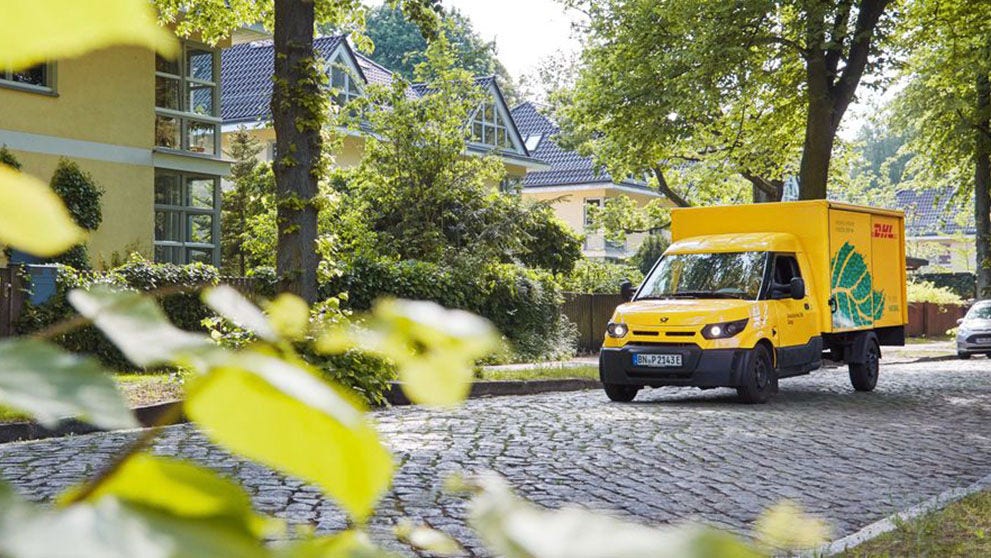
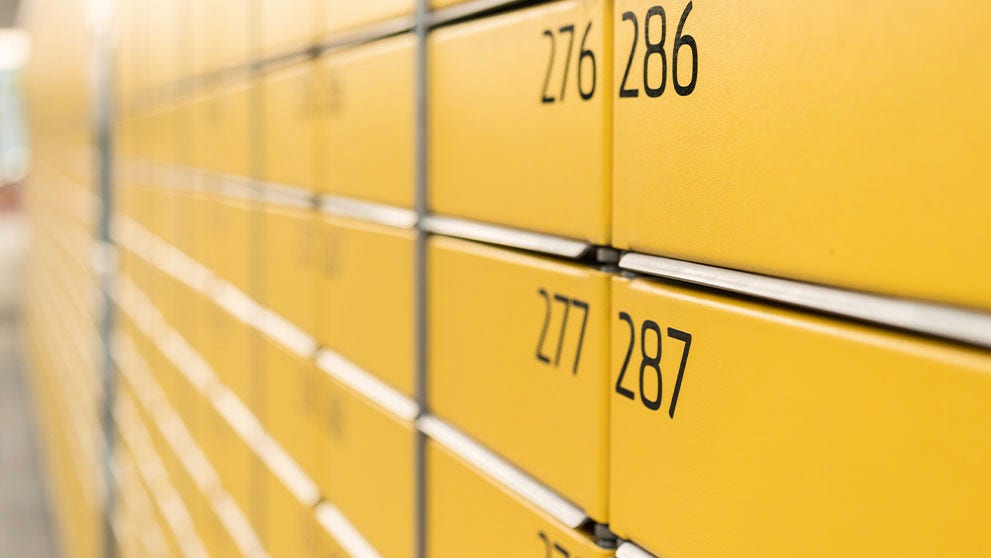
It refers to the specialised supply chain used to deliver spare parts and components to repair vehicles or machinery. In 2026, the focus is on extreme speed to reduce industrial downtime.

Downtime is expensive: In 2026, every hour your machines stay idle can cost between 46,200,000 MMK to 105,000,000 MMK. Getting parts delivered fast is your best way to protect your margins.
The FSL Advantage: Using Forward Stocking Locations (FSLs) cuts delivery times from days to just 2 to 4 hours.
Customs Acceleration: We use in-house expertise to help clear urgent parts while they are still in the air.
Digital Visibility: You can achieve over 98% on-time delivery by using live tracking and predictive tools.
The speed of your after-sales service is your strongest brand asset in 2026. For sectors like agriculture, manufacturing, and energy, a fast supply chain is a requirement for survival. The goal is to minimise your Mean Time to Repair (MTTR) by bridging the gap between a part failure and the arrival of a replacement.
Logistics managers used to focus on the price per kilogram. Today, that metric matters less than the value of uptime. When a production line or a remote agricultural project stops, the financial loss is immediate and severe.
High Costs: For teams in energy and manufacturing, you're looking at costs over 105,000,000 MMK for every hour of downtime.
Revenue Protection: High-velocity shipping is an investment that protects your bottom line.
Day Zero Window: Our 9:00 and 12:00 services ensure parts arrive before the first shift starts.
Immediate Repairs: Getting parts early allows your engineers to start work right away.
Logistics is a revenue protection service. We make sure your mission-critical components reach the site before the costs start to spiral. That makes the price of shipping almost irrelevant compared to the money you're losing.
You cannot ship a heavy gearbox across the world in four hours. The solution is to move your inventory closer to your assets before they ever break. This is the power of a Forward Stocking Location (FSL).
Localised Stock: We store your most critical parts just kilometres away from your end users.
Massive Network: We use over 3,000 FSLs globally to bypass international shipping delays.
Rapid Dispatch: Parts move via local couriers rather than international air freight.
Pre-cleared Inventory: Stock is already inside the country, so there is no customs lag during a crisis.
Feature | Traditional Model | DHL FSL Model |
|---|---|---|
Delivery Time | 3 to 5 Days | 2 to 4 Hours |
Transport Mode | International Air Freight | Local Courier or Same Day |
Customs Risk | High for every shipment | Low as stock is pre-cleared |
Stock Location | Centralised globally | Localised regionally |
Speed in the air is useless if your part is stuck at a border checkpoint. In Myanmar's evolving regulatory environment, many urgent shipments face delays because of minor paperwork errors. In 2026, we use digital tools and local expertise to manage clearances while the part is still in flight.
Clearance in the Air: We often secure the release of goods before the plane touches down at Yangon Airport.
DTP Services: We handle duties and taxes upfront to avoid payment delays.
Accurate Coding: Using the right HS codes is essential to prevent manual inspections by the Myanmar Customs Department (MCD).
Local Permits: We help you navigate the process to secure necessary import licenses and permits in advance, which is critical for smooth clearance.
Understanding local tax thresholds is also vital. In Myanmar, many shipments are subject to duties and taxes, making accurate declarations essential. [Reviewer Note: Please verify the current de minimis value with the MCD before shipping.] Our experts, acting as your Licensed Customs Agent, ensure your urgent shipments get priority treatment at every border.
A one-size-fits-all strategy will fail in Myanmar. A garment factory in Yangon has different needs than a remote agricultural project. Each site requires a delivery profile based on local infrastructure and conditions.
Rural Access: Reaching remote agricultural or mining sites requires careful planning and specialised vehicles to navigate up-country infrastructure.
Urban Congestion: We use flexible delivery options in Yangon to bypass traffic for small but critical components like sensors or electronic parts.
Seasonal Peaks: We help businesses plan around major holidays like the Thingyan Water Festival in April to manage volatility and prevent operational shutdowns when transport networks are disrupted.
Compliance Focus: For key export sectors like garments, rice, gems, and jade, our local compliance teams provide updated guidance to ensure shipments align with all applicable international frameworks before processing. [Reviewer Note: Verify current DHL service scope and sanctions compliance requirements for Myanmar with DHL compliance team before publishing.]
We provide the specific vehicles and handling gear needed for your industrial environment. Our sector experts provide the local knowledge to complete the last mile safely.
You cannot manage what you cannot see. In a high-stakes uptime contract, real-time visibility is a legal requirement. You need to know exactly where a part is at every moment.
Live Alerts: Receive a notification the moment a part is picked or delivered.
Inventory Accuracy: See real-time stock levels across all our FSL locations.
Performance Data: Check your logistics against a 98% on-time delivery target.
Condition Monitoring: We use sensors to track temperature and shock for sensitive electronics.
MyDHL+ provides this view for all your local and global moves. When you can see the part moving on a map, you can manage your repair schedule with total confidence.
Automotive aftermarket logistics is a race against time. By moving your stock closer to your users and using real-time tech, you turn a mechanical crisis into a manageable event. Speak to a DHL specialist today to check your spare parts plan and keep your operations moving.
It refers to the specialised supply chain used to deliver spare parts and components to repair vehicles or machinery. In 2026, the focus is on extreme speed to reduce industrial downtime.
A Forward Stocking Location places your inventory in a small warehouse near your customer. This allows a local courier to deliver the part in 2 to 4 hours, bypassing the need for international flights.
Costs typically range from 46,200,000 MMK to 105,000,000 MMK per hour. This includes lost production, idle labour, and potential penalties for missing delivery deadlines.
Yes, we use digital pre-clearance tools to send data to customs authorities before the shipment arrives. In coordination with local Licensed Customs Agents, this often allows for a more efficient release process upon landing.


 Share
Share