How do I ship electronics with lithium batteries safely?
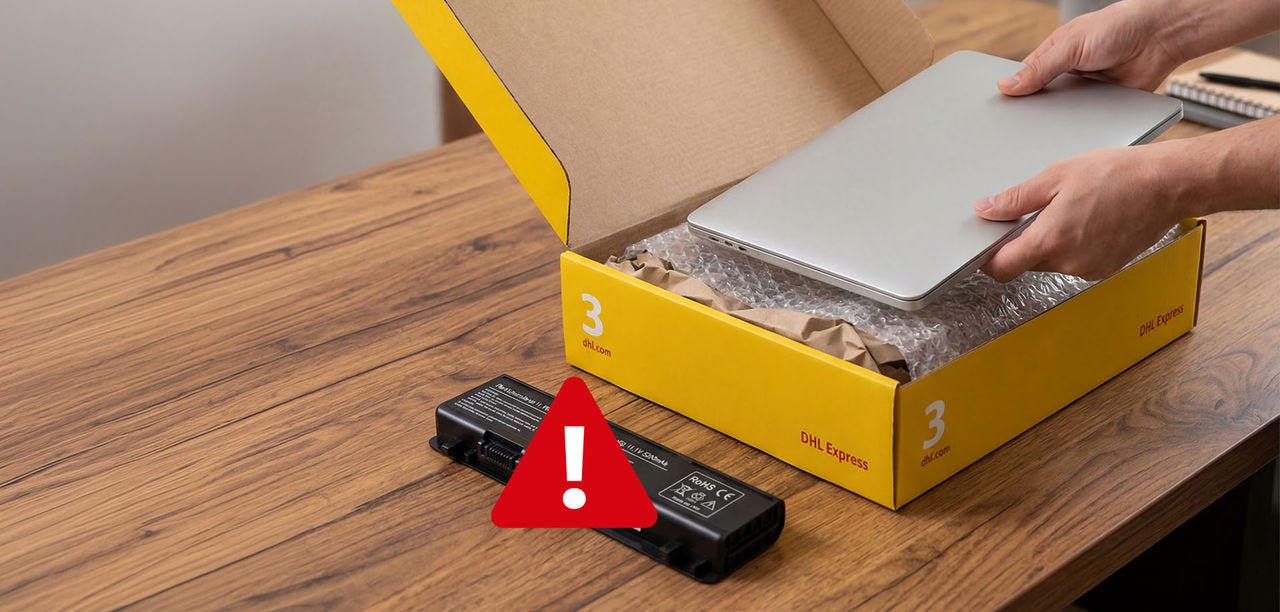
The rules for shipping electronics have tightened with the latest IATA regulations. As of January 2026, air transport rules require many lithium-ion batteries to be shipped at a State of Charge (SoC) of 30 percent or less. This is now a hard requirement for international shipping and restricted items in 2026.
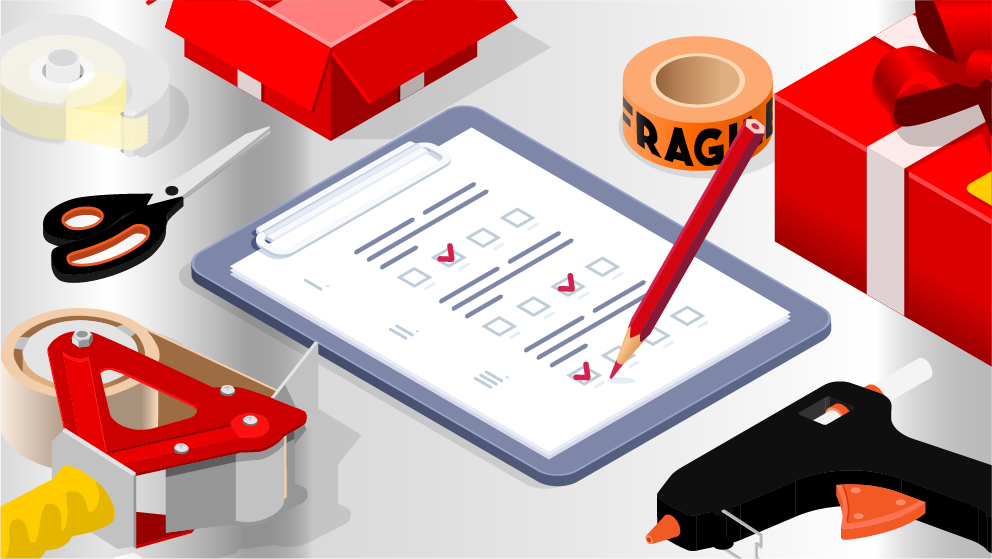
MyDHL+ includes a built-in battery wizard that guides you through these mandatory declarations. This ensures you use the correct UN numbers for batteries contained in or packed with equipment. Here’s your 2026 battery compliance checklist:
Verify SoC: Ensure your factory tests that the charge is below the 30 percent threshold before packing.
Check Watt-Hours: Confirm if your battery exceeds 100Wh, as this triggers more stringent protocols.
Access Test Summaries: Have the UN 38.3 Test Summary ready as customs can request this at any time.
Which local unique bans should I watch for in APAC?
Global safety rules are the baseline, but local cultural, environmental, and regulatory standards create unique restrictions. Our local experts provide the intelligence that basic software often misses.
Myanmar maintains strict controls on certain imports to protect local industries and consumers. For instance, the import of used electronics is often restricted, requiring special permits that can be difficult to obtain. Similarly, agricultural products require very specific documentation, such as phytosanitary certificates issued only by authorities recognised by Myanmar's ministries. Always check the latest notices on the Myanmar Customs Department (MCD) website. [Reviewer Note: Verify current MCD procedures with local legal counsel before publishing.]
Can I ship food or health supplements internationally?
Biosecurity is the primary hurdle for food and supplement merchants. Myanmar has specific rules regarding the import of food items and therapeutic goods which are managed by the Food and Drug Administration (FDA). Many herbal supplements require import permits or may be subject to controlled substance classifications depending on their active ingredients. Always verify ingredient classifications against the destination country's regulatory framework before shipping.
Our specialised teams help ensure your shipments remain compliant. If you hold the correct permits, we ensure the security chain remains unbroken. When shipping these items, keep the following in mind:
Manufacturer Certificates: You often need a formal certificate stating the item is free from specific pests, and it must be from a source recognised by Myanmar authorities.
Ingredient Transparency: Every ingredient must be listed in English on the packaging to pass an audit.
Safety Data Sheets: Customs may require an SDS to prove the item isn't a hazardous chemical.
You should also check for market-specific restrictions like the requirement for FDA registration for certain health and wellness products before they can be imported. Our My Global Trade Services (MyGTS) tool can check your product against the destination country's current laws.