Are you planning on shipping internationally? To guarantee a seamless border experience, gaining a solid grasp of the fundamental paperwork is absolutely critical. Throughout this guide, we will outline the essential forms required to navigate international trade controls, allowing you to bypass costly operational hold-ups and deliver your items precisely on schedule.
What is customs clearance and why is it important?
The customs clearance process is the official procedure that allows goods to legally enter or exit a country. At the heart of this process is accurate information and documentation.
When you import or export goods, it’s important that you provide a complete and accurate Commercial Invoice, along with the additional documentation required by the export/import country authorities.
Based on the Commercial Invoice and additional documentation provided, the customs broker will then submit to customs authorities a customs declaration – which tells authorities exactly what is being exported/imported.
Therefore, it’s essential to provide a complete and accurate Commercial Invoice and other documentation, to avoid your shipment being held up, flagged for inspection, or even seized – causing costly disruptions to your business and delays for your customers.
The documents needed to clear customs
When sending items internationally, submitting the correct documentation (aligned with export and import regulatory requirements) is critical to ensuring your goods passes through border controls without delays. Each form plays a specific role in verifying the contents of your shipment, its country of origin, and how it’s being transported. Review our full guide to the documents needed for international shipping to learn more.
7 common customs clearance delays – and how to prevent them
For a smooth customs clearance process, beware of these pitfalls:

1. Flawed or missing documentation
Omitting, misstating, or providing vague details on critical forms like the Commercial Invoice or Air Waybill frequently triggers border hold-ups. To ensure a seamless import processing experience, you must always supply thorough and precise records that fully align with the compliance standards enforced by both the import or export countries.
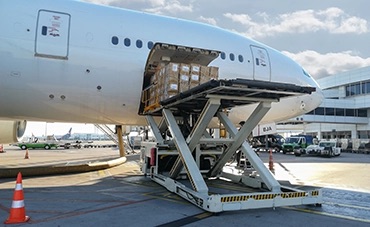
2. Incorrect tariff classification code(s)
Selecting erroneous classification codes frequently stalls border clearing protocols and distorts applicable tariff calculations. Always consult the authorized databases managed by regional border departments to establish the appropriate regulatory identifier for your goods. Additionally, you can utilize DHL’s MyGTS to obtain accurate insights regarding the correct administrative tariff classification for your specific commodities.

3. Undervaluing goods
Declaring a lower value to reduce duties is illegal by customs authorities, and can result in delays, significant fines, penalties, or additional consequences. Always state the true value of the goods and provide proof or purchase/payment if needed.

4. Non-compliance with regulations
Neglecting to follow a country's specific import/export protocols can result in border hold-ups, asset confiscations, and severe financial sanctions. Make sure to thoroughly investigate regional compliance standards and obtain all required permits, licenses, or certificates well ahead of schedule.

5. Unpaid duties or taxes
Border authorities will withhold your cargo until all required financial evaluations are fully settled. Establish clearly before dispatch whether the shippers or the recipient is responsible for these regulatory costs, and select accelerated transaction methods to prevent operational hold-ups.
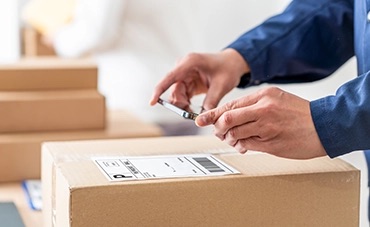
6. Improper labeling or packaging
Unreadable or absent labelings, particularly when handling materials classified as dangerous goods, frequently trigger transit hold-ups. Shippers must strictly adhere to all cargo preparation guidelines and verify that every identification label is highly legible and accurate.

7. No response to customs queries
If regulatory bodies or the courier team reach out to verify specific shipment records or request missing data, failing to provide a timely response will stall your shipment at the border. To prevent transit disruptions, you must always resolve any inquiries immediately.
Temporary Admissions
Grasping the mechanics of temporary shipments is vital for your operational flow, especially if your business regularly moves equipment or samples across borders.
Temporary admissions typically allow commodities to enter a country for a limited time, generally without incurring import duties or taxes, as long as the items are not sold and are subsequently re-exported within a set period, in accordance with regional regulatory requirements. Be aware that there are strict conditions and documentation requirements that must be adhered to for these procedures, so please ensure you thoroughly evaluate the destination's trade regulations.
Temporary Imports
These represent goods brought into a country for short-term use, such as tools for a specific project, commercial samples, or equipment for testing. These items must leave the country within a defined timeframe and cannot be sold or altered significantly. Proper documentation and approvals are essential to qualify for duty exemptions under temporary import rules. Please note that there are strict conditions and documentation requirements that must be adhered to when it comes to temporary imports, so please ensure you verify specific international regulations.
Temporary Exports
This process involves sending goods out of a country with the intention of bringing them back later. This applies to items like equipment sent abroad for repair or use at an event. To avoid additional duties upon return, exporters must clearly document the temporary nature of the export and follow all customs requirements to ensure smooth re-entry, in accordance with the local regulatory requirements. Please note that there are strict conditions and documentation requirements that must be adhered to when it comes to temporary dispatches, so please ensure you cross-reference current export/import regulations.
The importance of ATA Carnets
ATA Carnets allow companies to move eligible items – such as trade show displays or professional equipment – across multiple countries typically without paying duties or taxes, as long as the goods return within the carnet’s validity period, as per the country’s regulatory requirements. Widely accepted in over 80 countries, ATA Carnets save time and money by speeding up the customs clearance process. Please note that not all goods are eligible for this specific framework, and certain product categories may require additional documentation or compliance checks.

Get expert support for your import and export process
To take the complexity out of crossing borders, DHL Express designed My Global Trade Services (MyGTS), a comprehensive online portal engineered for modern cross-border logistics.
This complimentary digital suite allows you to master international trade protocols with complete confidence. Simply sign in with your active DHL Express Business Account or set up a new profile to leverage these advanced features:
Regulatory Compliance Planner: A strategic resource tailored to help your firm identify critical cross-border mandates and entry protocols.
Intelligent Product Classification Support: MyGTS utilizes advanced search tools to generate potential commodity codes based on your item description. Look up essential classification numbers using standard search terms or the built-in catalog directory.
Comprehensive Landed Cost Estimator: Calculate all-inclusive landing expenses to refine your commercial margins and offer your clientele complete clarity regarding international shipping costs—strengthening your brand's market credibility.
Guidance on import and export requirement: understand some of the country's import and export requirements before you ship – to avoid goods being held up at borders!
Customs Documentation Checklists and Templates: Access verified compliance forms and administrative layouts required by border authorities to mitigate the risk of operational delays. It remains vital to conduct thorough internal reviews to ensure all documents are submitted in the correct format and language, as required by the export and/or import country’s customs authorities.
A product catalog feature: maintain a readily accessible record of your commodities within DHL MyGTS, where you can save past searches, product details, and tariff codes for quicker repeat shipping.
It’s essential that you keep up to date with the import and export regulatory requirements of the countries where you ship from/to, and consult with customs experts or legal advisors when necessary to ensure compliance with the regulations.

Enjoy fast and easy international shipping with DHL Express.
Open a DHL Express Business Account


 Share
Share