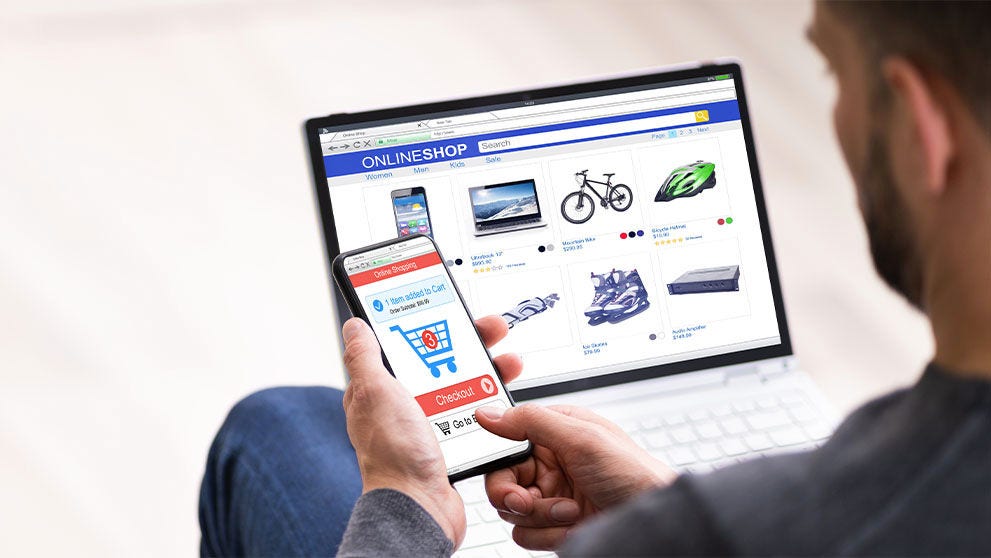
Nigerian shoppers have embraced online shopping in record numbers, drawn by convenience and the promise of great deals. But alongside the genuine offers, a thriving market for counterfeit goods persists, from smartphones and electronics to designer shoes and skincare.
These fakes don’t just drain wallets; they can damage devices, harm your skin, or simply leave you disappointed.
The good news? With a little vigilance, you can spot counterfeit products before you click “buy.” Here’s how to protect yourself while shopping online.
Is the Price Too Good to Be True?
Genuine products have consistent price ranges. If you see the latest iPhone offered for ₦150,000, or designer sneakers for a fraction of their retail value, pause before reaching for your wallet. Deep discounts, especially those that slash the standard price by half or more, are a classic sign of counterfeit products.
When in doubt, visit the brand’s official website or check with authorized retailers to compare prices. If an offer seems far below the norm without a clear reason (like a verified clearance sale), it’s best to walk away.
Check the Seller’s Credentials
Trustworthy sellers don’t hide in the shadows. They display legitimate business details: company registration, a physical address, working contact information, and a track record of honest transactions. Look for an established online presence and customer reviews from real people, not just glowing testimonials with no specifics.
Be wary of these red flags:
No physical address, or just a PO Box.
Only an email address for contact, with no phone number.
Instagram pages created recently, with few followers or limited posts.
Sloppy product images, spelling errors, or unclear return and refund policies.
Requests for payment only via direct bank transfer.
Genuine sellers will offer receipts, accept secure payment methods, and clearly explain their return process. If a seller urges you to pay quickly or only through untraceable channels, consider it a warning sign.

Verify Authorization
Many brands provide lists of authorized retailers on their websites.
For popular skincare brands like COSRX, The Ordinary, and CeraVe, or electronics from Apple, Samsung, and HP, always check if the seller is officially recognized. If their name doesn’t appear on the brand’s list, steer clear, the products are likely counterfeit.
Scrutinize Product Images
Photos can reveal a lot. Counterfeit listings often use blurry, pixelated, or obviously copied images from official websites. Look for inconsistencies: the same background across multiple products, awkward cropping, or photos that don’t match the item’s description.
If you’re shopping through platforms like Instagram, ask the seller for recent, unfiltered photos or a short video of the actual product. Honest vendors will oblige; counterfeiters typically dodge or delay.
Read the Product Description With Care
Counterfeit listings often contain subtle mistakes: misspelled brand names, incorrect model numbers, vague product details, or exaggerated claims. Compare the description to the official brand website. If you notice errors or inconsistencies, it’s a sign the product isn’t genuine.
Review the Reviews
Customer reviews are helpful, but they’re also easily faked. Be cautious if you see only glowing, vague praise or a cluster of reviews posted in a short timeframe, especially with no mention of the product’s specifics. Authentic reviews are a mix of positive and negative feedback, offering details about real experiences.
Want extra assurance? Search the seller’s name alongside terms like “scam” or “fake” on Google or X (formerly Twitter). If others have had bad experiences, you’ll likely find a trail.
Know What’s Frequently Faked
Awareness is your first line of defense. In Nigeria, the most counterfeited items include:
Mobile phones and accessories (iPhones, Samsung devices, AirPods). Always check the IMEI number, dial *#06# and verify it on the manufacturer’s website.
Designer shoes and apparel. Examine stitching, logo placement, and material quality. Genuine products have precise finishes; fakes often look or feel “off.”
Skincare and cosmetics. Verify NAFDAC registration numbers and packaging details. Counterfeits may have blurry text or obvious typos.
Electronics. Confirm serial numbers and warranty details with the original manufacturer before purchasing.
Choose Secure Payment Methods
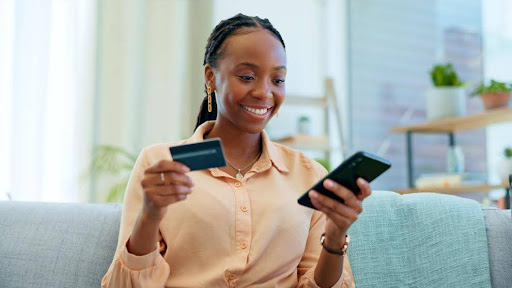
Protect yourself by using credit cards or platforms with buyer protection.
Cash on delivery is a safer option for local or Instagram sellers, and always inspect the item before handing over any money. Avoid direct bank transfers, Western Union, or cryptocurrency for standard retail purchases; these make it difficult to recover your money if things go wrong.
Trust Your Instincts
If a deal feels suspicious, trust your gut. Sellers who rush you, shy away from questions, or become defensive about authenticity are often hiding something. Genuine vendors are transparent, patient, and eager to reassure you.
For maximum peace of mind, buy directly from official brand websites or verified retailers. Always confirm authorization, double-check prices and product details, examine photos, read reviews carefully, and stick to secure payment methods.
One last rule: if a deal seems too good to be true, it probably is. Walk away, missing out on a counterfeit “bargain” is never a loss.


 Share
Share
Similar Stories