Nigeria is on the brink of a major shift in trade facilitation with the upcoming launch of its National Single Window (NSW) system, set for the first quarter of 2026.
This digital initiative aims to slash cargo clearance times dramatically, from the current 18 to 21 days down to less than seven. For importers and exporters, grasping how this system operates and what it means for your business is essential, even as the ambitious goals are pursued.
What Is the National Single Window?
Imagine a single, streamlined gateway for all your trade documentation. Instead of navigating a maze of government offices and submitting the same paperwork multiple times, the NSW lets you lodge everything just once through a centralized digital platform. This system integrates key agencies: Customs, SON, NAFDAC, port authorities, and more, into one seamless network. From commercial invoices and packing lists to permits and certificates, your documents are submitted once and automatically routed to the relevant authorities.
Why Clearance Delays Have Been a Bottleneck
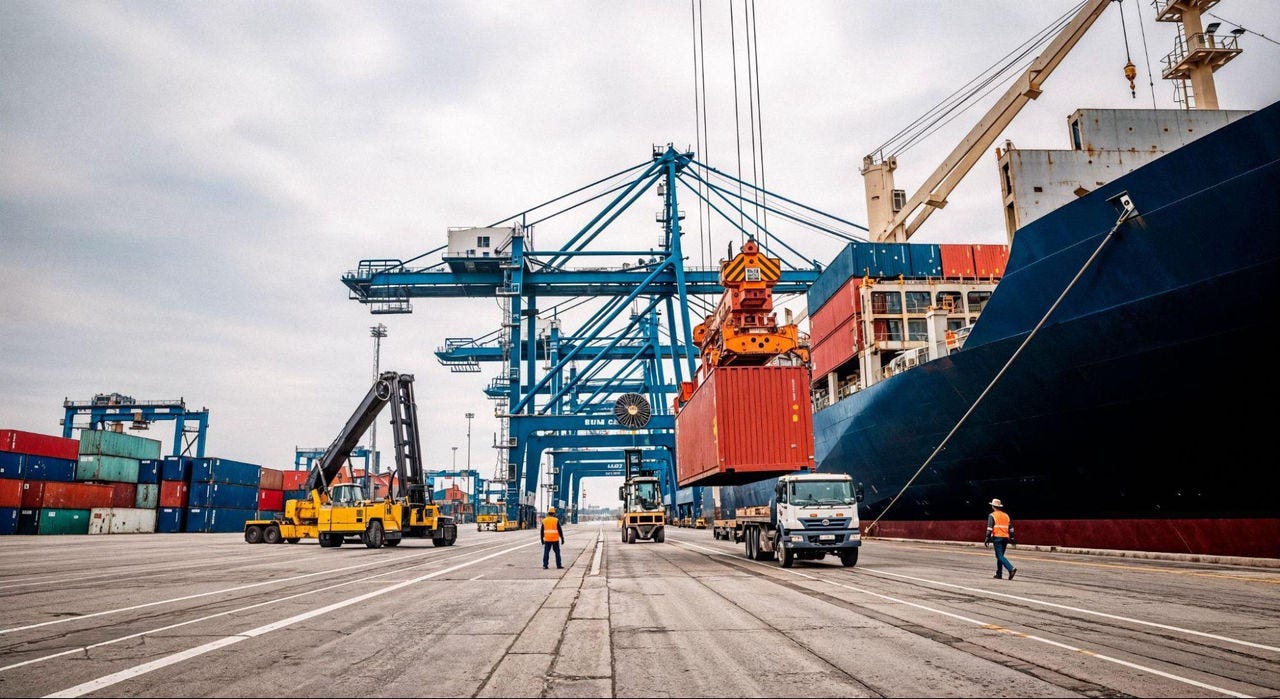
Currently, cargo in Nigerian ports lingers for an average of 18 to 21 days—far longer than neighboring countries like Ghana, where clearance takes five to seven days, or Benin Republic, with just four. These delays come at a steep price, with costs approximately 30% higher than those in surrounding markets. Vice President Kashim Shettima highlighted that Nigeria’s cargo dwell times exceed global benchmarks by 475%, leading to mounting demurrage fees and capital tied up in inventory.

The Seven-Day Clearance Goal: What’s on the Horizon
The NSW system’s objective is clear: trim clearance processes to under seven days by the end of 2026.
Success hinges on effective rollout and widespread adoption. The platform eliminates redundant data entry, allowing traders to submit their information once instead of repeatedly. It also introduces risk-based inspections, reducing physical cargo checks to around 10% of shipments. Real-time cargo tracking will keep businesses informed while minimizing manual interventions.
Currently, the platform is in user acceptance testing, with a planned launch in March 2026. Experts from the World Customs Organization have contributed to shaping the system’s requirements and vendor selection, ensuring global best practices are embedded.
What This Means for Your Business
If fully realized, the NSW will speed up clearance, reduce demurrage charges, and accelerate access to your inventory. Standardized online submissions will ease administrative burdens compared to the current multi-agency approach. The platform will also provide clear visibility into cargo status and which agency is handling each step. Integration with the African Continental Free Trade Area framework is set to further streamline cross-border trade.
Behind the Scenes: The Infrastructure Supporting NSW
The Federal Inland Revenue Service and Nigeria Sovereign Investment Authority lead this initiative, with critical partners including the Nigerian Ports Authority, Nigerian Customs Service, NAFDAC, SON, NIMASA, and others. The system will connect 35 locations across seaports, airports, and land borders, creating a truly nationwide network.

Preparing for the Transition
With user acceptance testing in progress among select traders, the NSW Secretariat is actively hosting awareness forums across regions.
Implementation will roll out in phases throughout 2026. The success of this transition will depend on system performance, user training, and smooth coordination among agencies.
Adapting to Change
Whether the NSW meets its ambitious targets or faces hurdles, businesses must prepare for new clearance workflows. DHL’s business account customers benefit from dedicated logistics experts who stay ahead of customs changes and system updates. Our team monitors regulatory developments closely to ensure your shipments navigate the evolving landscape with minimal disruption.
Open a DHL business account today to partner with professionals who understand both current procedures and the exciting changes on the horizon.


 Share
Share
Similar Stories