#eCommerceAdvice


 Share
Share
Shipping to the USA from New Zealand: A complete guide for businesses
6 Mins Read
Share

Shipping to the United States is a cornerstone for many Kiwi businesses looking to scale internationally. However, the American market is no longer as simple to access as it once was. As of 2026, navigating shipping to the USA from New Zealand requires a sharp focus on compliance to avoid delays, unexpected duties, and costly delivery issues.
Since the removal of the $800 de minimis threshold in late 2025, virtually all international shipping to the USA, including low-value e-commerce orders, now attracts duties and taxes.1 This guide provides a practical, step-by-step roadmap to help you send parcels to the USA with confidence.
Duty & tax rules for shipping to the USA
The most critical change for Kiwi exporters in 2026 is the "new normal" for US Customs. Previously, the Section 321 de minimis rule allowed many businesses to send a parcel to USA duty-free if it was valued under USD 800.2
However, US Customs and Border Protection (CBP) has now fully suspended the de minimis exemption for all commercial shipments. This means that every commercial item you ship, regardless of its value, is now subject to formal custom clearance processes. Businesses must now:
- Budget for duties: Almost all goods now attract import duties, typically ranging from 5% to 20%.
- Avoid undervaluation: Declaring an inaccurately low value to dodge taxes can result in heavy fines or your business being "blacklisted" by US authorities.
- Declare country of origin accurately: Tariff rates are driven by where the goods were manufactured. If your business sells products made in China, be aware that Section 301 tariffs may still apply, even if shipped from New Zealand.3
While these rules can feel daunting, shipping with a partner that has global expertise ensures you stay compliant. US shipping remains highly profitable for businesses that accurately account for landed costs.
Key documentation for New Zealand shipping to USA
To ensure your parcel doesn't get stuck at the border, your paperwork must be flawless. Electronic data is now mandatory for nearly all delivery services to the USA. This includes:
Harmonized Tariff System (HTS)
Customs duties in the USA are determined by the Harmonized Tariff System (HTS). This system contains codes that link to duty rates for all types of imported items. Before shipping from New Zealand to the USA, you would have to determine the nature of your product by searching for the correct HTS code on MyGTS and checking the applicable customs duty rate.
This rate does not work as a standard fee, but as a percentage of the value of your imported goods. After you have calculated the total sum of all the percentages pertaining to your shipment, you would know approximately how much the USA importer must pay.
Waybill
An Air Waybill (AWB) is the contract of carriage between you and your courier partner. It contains the essential "who, what, and where" of your shipment. When sending parcels to the USA, ensure that the AWB includes:
- Complete receiver details (including a phone number and email)
- A precise description of the contents
- The total declared value and currency
Commercial invoice
This is the most important document for a successful custom clearance process, which must mirror the information on your AWB exactly. A high-quality invoice for the US market includes the unit value, total value, country of manufacture, and the reason for export (e.g., permanent, repair, or sample).
Other documents
Depending on what you are sending, additional shipping documents may be required. These include:
- Packing list: Highly recommended for multi-piece shipments to help customs verify contents.
- Toxic Substances Control Act (TSCA) declaration: Required for items like inks, toners, and certain plastics.
- FDA prior notice: Mandatory for food, cosmetics, and medical devices.
Restricted and prohibited items: what you can’t send to the USA
The USA has strict biosecurity and safety standards. When sending parcels to the USA, pay close attention to these commonly restricted categories:
- Food & supplements: Anything "ingestible" usually requires FDA registration or prior notice. This includes honey, dried fruit, and vitamins.
- Cosmetics: US regulations on ingredients in skincare and makeup often differ from New Zealand standards.
- Lithium batteries: Must be packaged in accordance with IATA regulations for dangerous goods. Loose batteries are generally prohibited.
- Alcohol & tobacco: Highly regulated; typically requires specialized permits that most individual exporters do not hold.
Failure to follow these rules doesn't just mean a delay. You could face "return to sender" fees, storage charges at the US border, or even destruction of the goods and federal fines.
How to prepare your items for US shipping
Packaging best practices
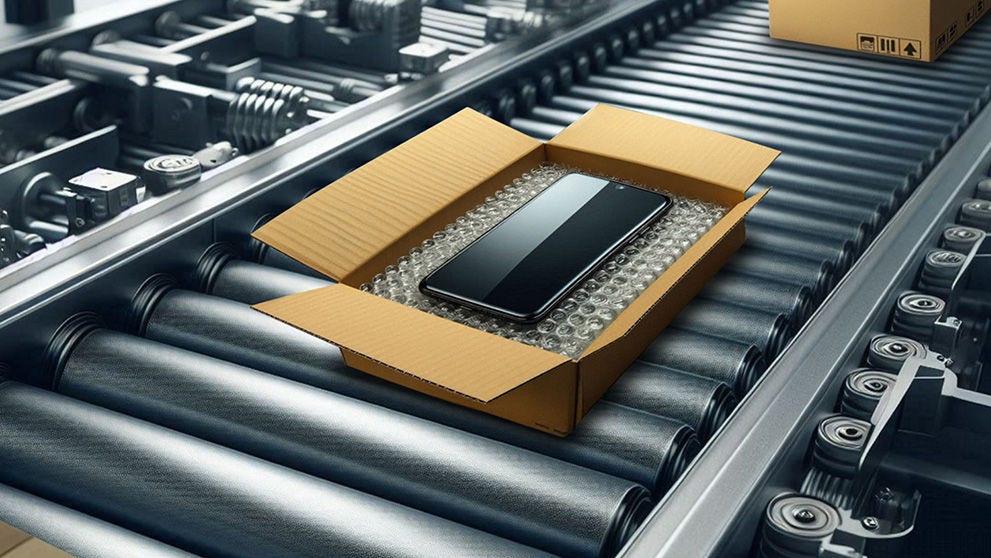
The USA is a vast country, and your parcel may handle several sorting facilities. Use a sturdy, corrugated cardboard box. Avoid using old boxes with existing "dangerous goods" or "fragile" stickers that no longer apply, as this can confuse automated sorting systems.
Labeling requirements
Print your labels clearly using a thermal printer or high-quality ink, and stick them on the largest flat surface of the box. Do not wrap tape over the barcode, as the reflection can interfere with tracking scanners.
Real-time tracking and customer communication
Ensure your US customers know who’s responsible for duties. Most businesses adopt a Delivered Duty Paid (DDP) model, where you cover the costs upfront. This ensures that customers receive their parcel without a surprise "bill at the door," which is the leading cause of customer dissatisfaction in international trade.
How to ship to the USA from New Zealand
If you are wondering how to ship to the USA for the first time, partnering with an international courier like DHL Express can simplify the complexities of American trade regulations. With us as your partner, all you need to do for delivery to USA is follow these steps:
- Create shipment: MyDHL+ makes it easy to create shipments, print labels and schedule pickups in one place. Enter receiver details and tax IDs (like a US EIN or SSN) during this step.
- Upload documents: Use Paperless Trade to upload your commercial invoice and other shipping documents digitally.
- Choose service: Select your delivery speed. Knowing how to ship effectively with DHL involves choosing the most suitable courier method. This includes "Express Worldwide" for 1-3 day delivery.
- Dispatch: Choose a pickup or drop-off your parcel at a DHL service point.
- Customs clearance: DHL begins the custom clearance process while the plane is in the air.
What happens after dispatch
Once your parcel leaves New Zealand, it moves into the tracking and clearance phase, and you can monitor its progress 24/7 via DHL shipment tracking. Here’s how the process will go once it arrives in the USA:
- Your shipment arrives at a US gateway (like Cincinnati or Los Angeles).
- US Customs reviews the electronic data you provided. If you have shipped with duties and taxes unpaid (DAP), DHL will contact the receiver to collect payment before delivery. For shippers using the DDP model, the cost is billed back to your business account, ensuring a friction-free experience for the buyer.
- Once all taxes and duties are paid, your parcel will be released to a domestic carrier for delivery.
Why DHL Express NZ is a smart choice for shipping to the USA
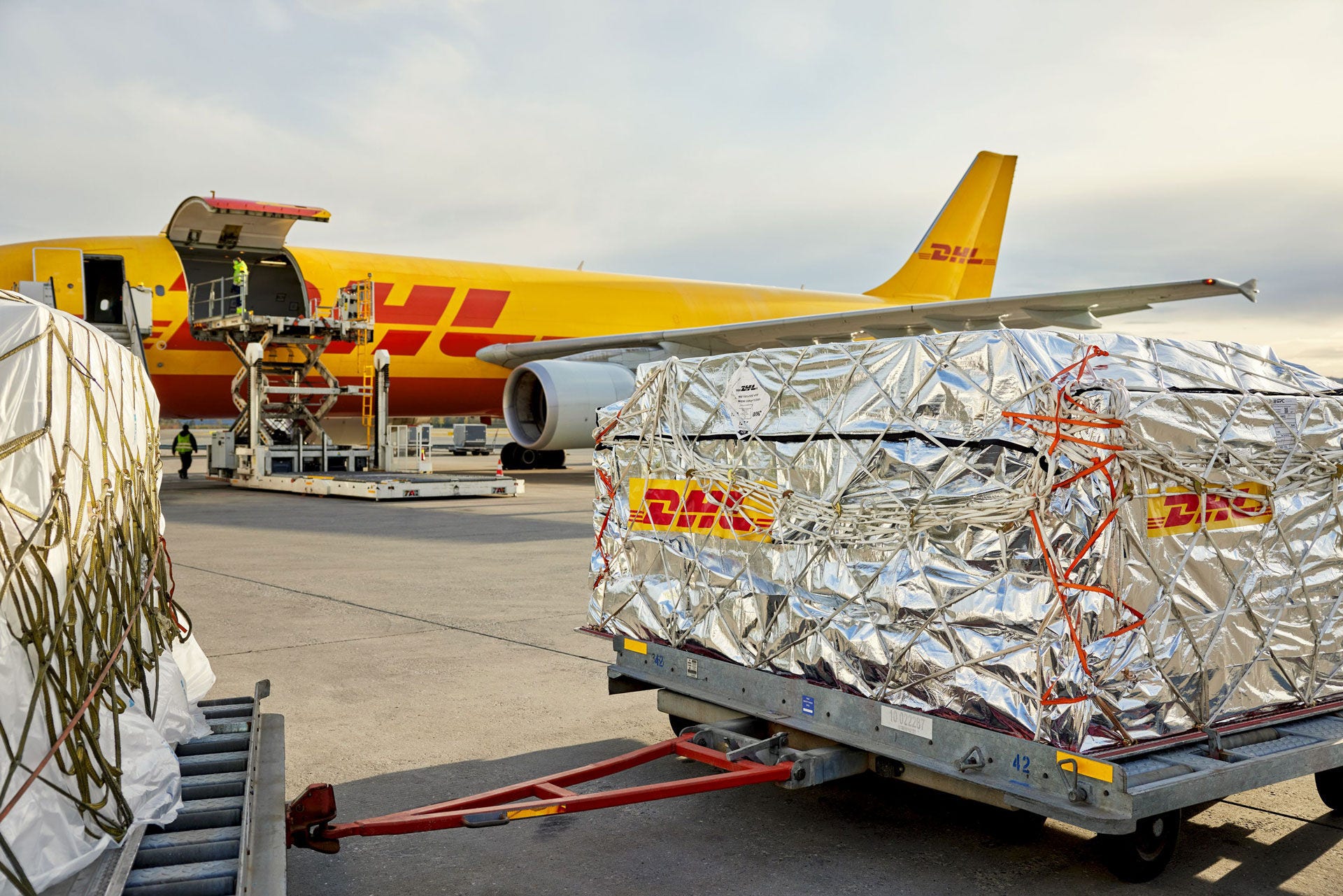
Navigating international shipping to the USA requires a partner who understands the shifting sands of trade policies. When you partner with DHL Express New Zealand, you gain access to a dedicated network designed to support Kiwi businesses, from customs expertise to timely delivery.
Open a DHL Express business account today for preferential rates, streamlined processes, and expert guidance on how to send parcels to the USA confidently and compliantly.
Share
Similar Stories