Now that your business is up and running, it’s time to focus on optimizing your domestic shipping strategy. Before expanding internationally, ensuring reliable and efficient local delivery is essential for long-term success. A well-planned domestic shipping process helps you reduce costs, improve delivery times, and enhance customer satisfaction. In this guide, you’ll discover key factors, practical tips, and best practices to streamline your shipping operations and grow your small business effectively.
What is domestic shipping?
Domestic shipping refers to the transportation of goods within the borders of a single country. For example, in Romania, when a business ships products from Bucharest to Cluj-Napoca or any other city, it is considered domestic delivery. This type of shipping is usually faster and more cost-effective, making it a key component of any small business or eCommerce logistics strategy.
Domestic vs international shipping
Domestic shipping involves delivering goods within the same country, while international shipping refers to transporting products across borders between different countries. Unlike domestic delivery, international shipping is more complex, as it requires handling customs procedures, import/export regulations, and additional documentation. Because of this, domestic shipping is typically faster, simpler, and more cost-effective for small businesses.
How long does domestic shipping take?
Domestic shipping times vary depending on the courier, delivery distance, and the service level you choose. Standard delivery typically takes a few business days, while many express carriers now provide next-day shipping options to meet increasing customer expectations for fast delivery.
Benefits of domestic shipping to your business
For small businesses and startups, domestic shipping is the ideal starting point. It involves less administrative work compared to international shipping - such as no customs paperwork, allowing you to focus on other key areas of growing your business.
It also offers better control over your operations. Working with local suppliers makes it easier to manage quality, and any delivery issues, like delayed or lost orders, can be resolved more quickly.
Another major advantage is speed. Domestic shipping is typically faster, helping you meet customer expectations for quick and reliable delivery.
Once you’ve optimized your domestic shipping process, you can confidently expand into international markets with the support of global logistics providers like DHL.
Planning your domestic shipping strategy
Whether your business has just started selling products or it’s rapidly growing, a well-planned shipping strategy is the key to meeting customers’ expectations, and saving your business time. Here are some best practices for domestic shipping:

Think speed
It’ll be no surprise to you to hear that customers consistently place high value on the speed of delivery when ordering online. Offering your customers an Express option at checkout will ensure they have a great experience with your business and return again and again.
Offer customers flexible delivery
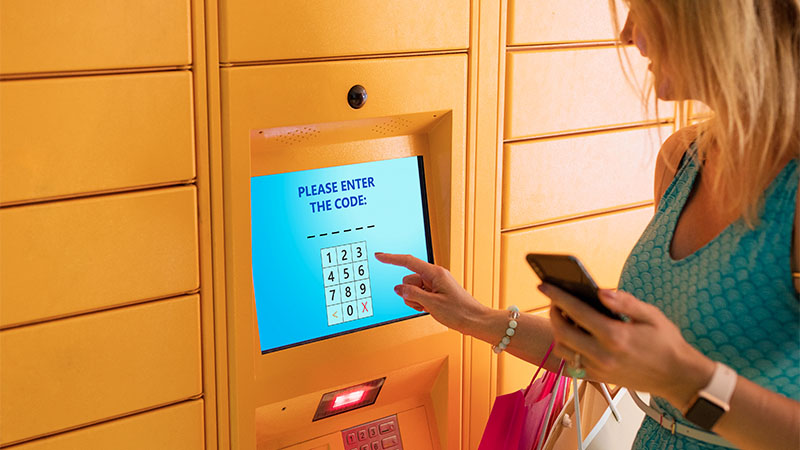
Sometimes a customer knows they won’t be at home to receive their delivery, so would like the option to divert it to their workplace or a parcel locker. Or they might prefer to save money by selecting slower delivery. In short, the more flexibility you can offer your customers at checkout, the less likely they are to become frustrated and abandon the purchase altogether. Partnering with a logistics leader with an extensive fulfilment network – like DHL Express – will help you meet expectations.

Evaluate your products – and then pack accordingly
With many carriers charging shipping per dimensional weight, the packaging you use for your products is very important. Products should be packed in suitably sized boxes with minimal excess space. Integrating software to automate the labeling process will save you valuable time and reduce errors, too.
Decide how to charge customers
66% of consumers now expect free shipping on every purchase they make online1. Offering this may seem a big expense for your business but it’s a huge incentive for customers to shop with you – in fact, 60% of e-commerce businesses report that “free shipping with conditions” is their most successful marketing tool2.
Alternatively, you could offer a flat rate shipping fee or a carrier-calculated shipping fee. These might seem the cheapest options for your business, but not if they cause customers to abandon their carts. Getting your pricing right may be a trial-and-error process which you adjust as you learn more about its impact on your sales. Just remember to be upfront with your customers about your shipping fees – no one likes nasty surprises at checkout.

Think green
A DHL survey3 found that 58% of European shoppers are willing to wait longer for a delivery if it means it’s more sustainable – even if same- or next-day delivery is available. DHL’s GoGreen Plus service has recently launched an initiative which allows customers to reduce the carbon emissions associated with their shipments through the use of Sustainable Aviation Fuel. Increase your green credentials, here.
Offer full tracking
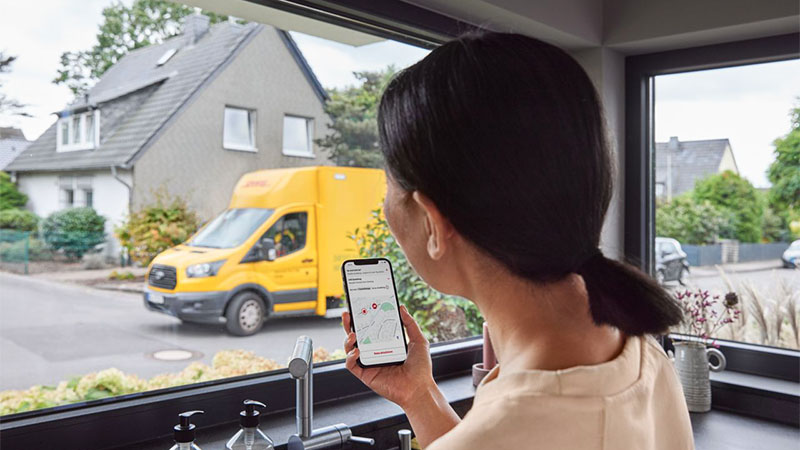
Customers love to track their shipments. With DHL, you can offer them full tracking, in real time, with SMS/email notifications of its status.

Anticipate returns
It’s an unfortunate side of e-commerce that, on average, approximately 30% of all online orders are returned by customers4. You should integrate this factor into your budget, and make allowances accordingly. It may be that you have to charge customers for returns to minimize the impact. Our guide to handling customer returns will navigate you through the process in more detail. You can’t hide from returns, so be prepared and take steps to reduce the costs!
Domestic Shipping Rates
Domestic shipping costs are typically based on factors such as package size, weight, contents, and the delivery speed you choose. To keep costs under control, it’s important to follow a few best practices. Since many carriers calculate pricing based on volumetric weight, using efficient and minimal packaging can help reduce expenses. Additionally, if you ship regularly, you may be able to negotiate better rates or access discounted pricing, especially for B2C deliveries.
DHL’s domestic shipping services
So, how can DHL help your business?
DHL Express offers a fully tracked next-day delivery service for domestic shipments. With a MyDHL+ account, small and medium businesses and e-commerce merchants have an easy way to create shipments and schedule courier pickups – for single and multiple shipments.
Find the best rates for your business’s specific needs – i.e., shipping frequency, speed and average volumes – and benefit from the brand trust DHL has already established with customers all over the world.
Whatever you’re selling, get it to customers fast, on time, and with full visibility with DHL. Apply for a DHL Express account, here.


 Share
Share