After years of offshoring to Asia, companies are rethinking where to manufacture and where to supply their markets in 2026. This is not a retreat from globalization, but its transformation. World trade is entering an era of regionalization – supply chains are shortening, diversifying, and moving closer to end customers.
Where is it worth manufacturing?
Today, companies emphasize the resilience of their supply chains. The importance of nearshoring (moving production closer to the market) and reshoring (returning production to home countries) is growing.
The goal is higher resilience, shorter delivery times, and less dependence on a single region. However, nearshoring does not mean leaving Asia. Companies are increasingly combining multiple production locations – a strategy known as dual-sourcing or multi-shoring.
Countries that will strengthen these trends
Countries that can combine a strategic location, developed infrastructure, and a strong industrial base will gain particular importance.
Poland is increasingly positioning itself as the logistics hub of Central Europe. Thanks to its location between Western and Eastern Europe, a growing economy, and investments in infrastructure, it is an ideal place for both distribution centers and manufacturing.
Czechia remains attractive, especially for high-tech manufacturing and the automotive industry. A stable business environment and a skilled workforce make it an important destination for nearshoring.
Romania is gaining importance mainly due to its location and the development of transport infrastructure. The Port of Constanța represents a strategic gateway for trade between Europe and Asia, while entry into the Schengen Area will further simplify the movement of goods.
Hungary completes this regional picture as a growing manufacturing hub, particularly in the fields of automotive and battery technology.
Impact of the new model on overseas countries
While strengthening regional hubs, companies also maintain a presence outside of Europe. Overseas countries are thus gaining importance – not as a replacement, but as a complement to supply chains. These are markets that, while geographically more distant, remain effectively connected to the European market thanks to air freight.
The most common examples include:
Mexico, which plays a key role in North American supply chains,
Turkey, as a strategic bridge between Europe and Asia,
and Southeast Asian countries as an alternative to China.
These locations allow companies to diversify production while responding to global demand. Air transport plays an increasingly vital role in ensuring fast deliveries over longer distances.
What does this mean for companies?
Moving production or diversifying suppliers is only one part of the puzzle. Companies must simultaneously address:
customs processes and regulatory requirements,
efficient warehousing and distribution,
availability of transport capacities,
and the connection of different modes of transport (multimodal).
Therefore, a combination of road, rail, sea, and air transport will be key to flexible and resilient supply chains.
Reliable partner = the key to logistics in 2026
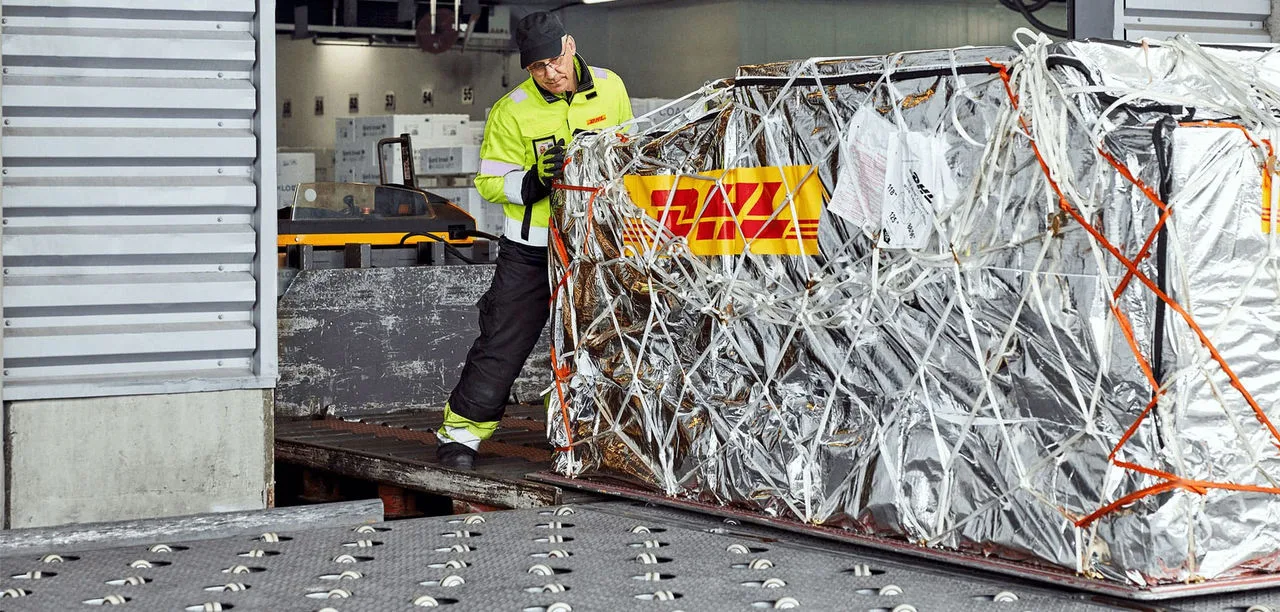
In this changing environment, logistics partners play a crucial role. DHL helps companies set up more efficient and resilient supply chain models – from route optimization and customs consulting to comprehensive warehousing and distribution solutions. Thanks to its global network and local knowledge, it can connect regional and overseas markets and support companies in their growth.
A new system of globalization
Nearshoring and reshoring are not short-term trends but long-term changes in the functioning of global trade. Companies will increasingly combine regional and global approaches to achieve higher resilience, flexibility, and efficiency. The coming years will not bring the end of globalization, but rather its new arrangement.
 Share
Share
Similar Stories