Can I ship food or health supplements internationally?
Biosecurity is the primary hurdle for food and supplement merchants exporting to Thailand. The Thai Food and Drug Administration (FDA) has very strict rules, and many herbal supplements require import permits or are subject to controlled substance classifications depending on their active ingredients. For example, a shipment of herbal products can be detained if it contains an ingredient controlled under Thailand's Hazardous Substance Act without a pre-export licence from the Department of Agriculture.
Our specialised teams help ensure your shipments remain compliant. If you hold the correct permits, we ensure the security chain remains unbroken. When shipping these items, keep the following in mind:
Manufacturer Certificates: You often need a formal certificate stating the item is free from specific pests.
Ingredient Transparency: Every ingredient must be listed in English on the packaging to pass an audit by the Thai FDA.
Safety Data Sheets: Thai Customs may require an SDS to prove the item isn't a hazardous chemical.
You should also check for market-specific restrictions, as certain supplements containing ingredients like cannabis or hemp extracts are prohibited from being imported into Thailand. Our My Global Trade Services (MyGTS) tool can check your product against Thailand's current laws.
What happens if I accidentally ship a prohibited item?
Ignorance of the law is not a legal defence in international trade. If you ship a prohibited item to Thailand, it will be seized and destroyed at your expense. Even worse, misdeclaring dangerous goods can lead to administrative fees that far exceed the value of the goods, especially with the high congestion periods around holidays like Songkran.
In 2026, penalties for misdeclared dangerous goods have increased significantly and can run to tens of thousands of Thai Baht per occurrence. This doesn't include potential legal costs or the permanent loss of your shipping account. We act as a vital safety filter for your business, helping to catch these errors at the origin warehouse before the package leaves for Suvarnabhumi Airport.
How do I audit my product catalogue for shipping compliance?
Maintaining an audit-ready catalogue is essential for any merchant scaling their business into Thailand. You should review your inventory at least once a quarter to account for shifting regulations. Use this 3-step checklist to clear your inventory for export:
Identify HS Codes: Assign an accurate code to every product to see its specific duty and restriction status. The Thai Customs Department applies post-clearance audits and is very strict on HS code accuracy.
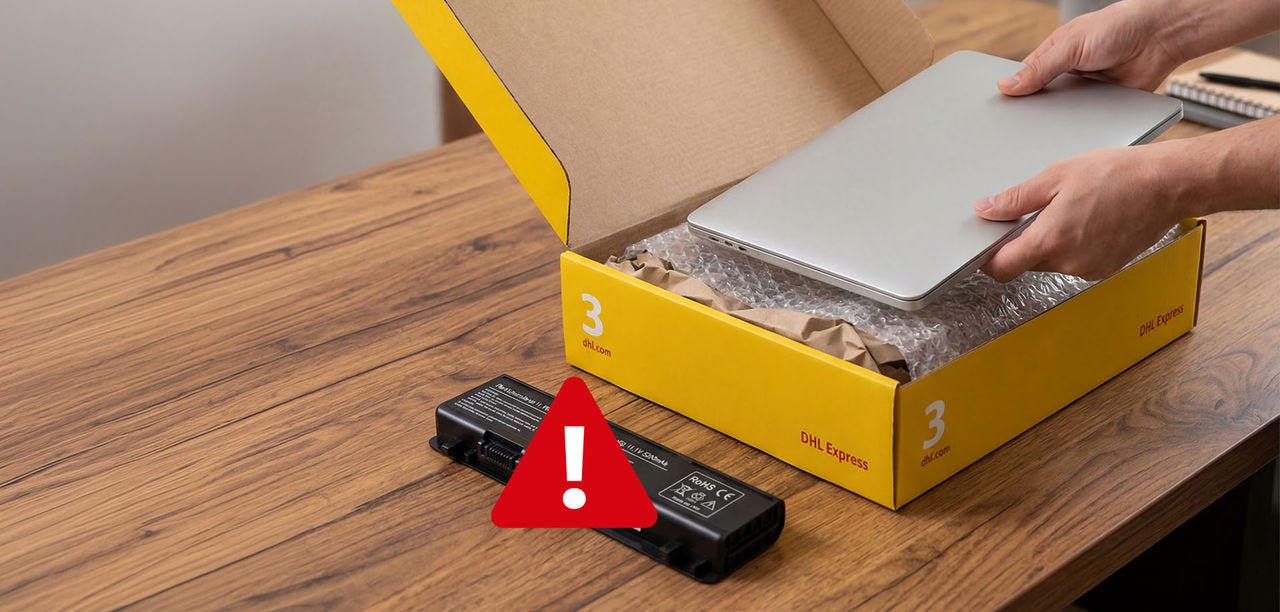
Screen for Dangerous Goods: Flag any products containing liquids, gases, or batteries for a secondary safety review.
Check Restricted Parties: Use My Global Trade Services (MyGTS)tools to ensure your items aren't being sent to sanctioned regions.
Is your product catalogue ready for the 2027 shift?
Navigating the world of restricted items doesn't have to stop your growth in Thailand. With the right partner, you can turn complex compliance into a competitive advantage.
Speak to a DHL specialist today to audit your product catalogue and unlock new markets with confidence.
Frequently Asked Questions