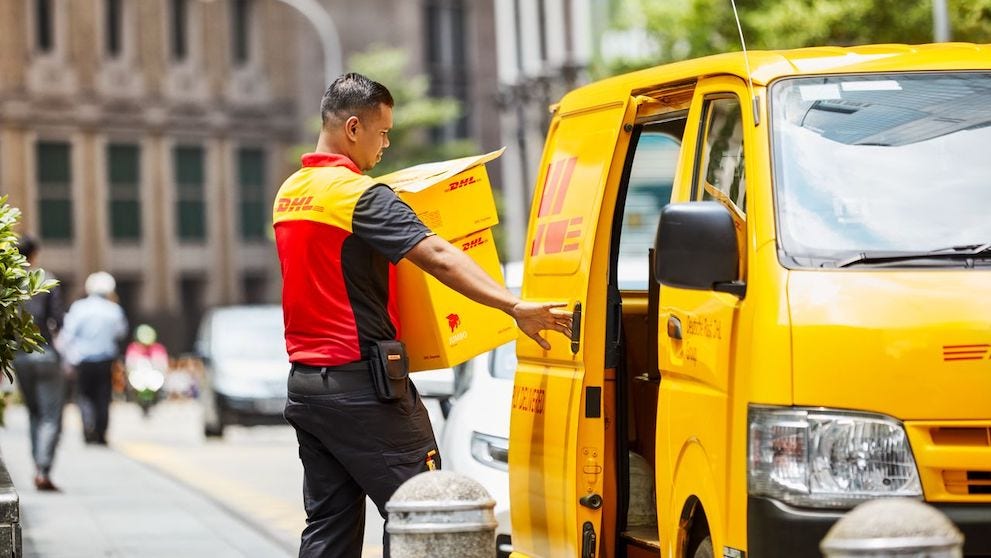
We aim for under 24 hours by using our global priority network and Next Flight Out (NFO) services. This ensures your part gets on the first available aircraft to reach your site as quickly as possible.

A single broken component can bring an entire production line to a standstill in seconds. In heavy industry, every minute you wait for a spare part is money leaking out of your business. We will show you how to move from a reactive "break-fix" cycle to a proactive strategy that protects your bottom line.
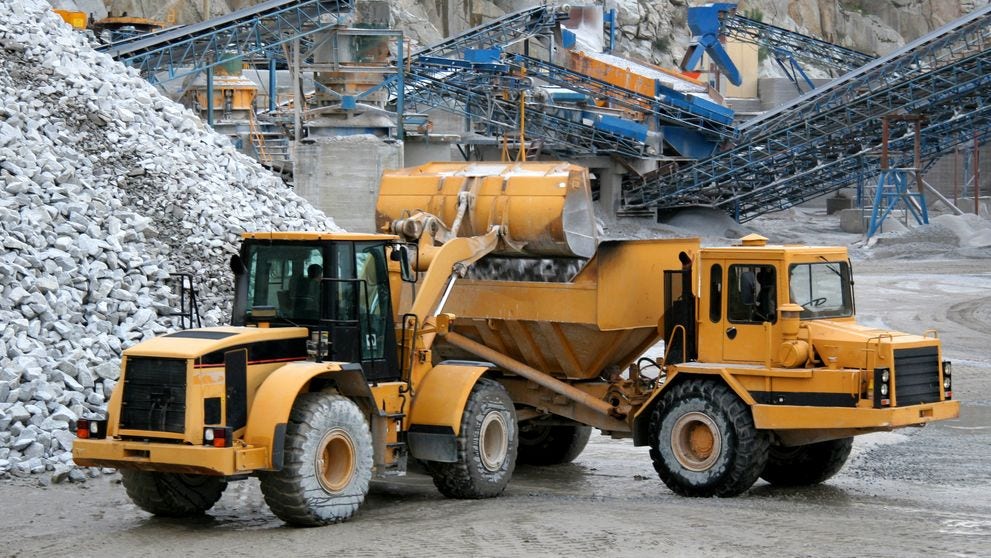
Traditional freight is built to move large volumes at the lowest possible cost. This model works for retail stock but is a disaster for critical after-sales service. When a 400-tonne excavator goes down, you do not need a shipping container.
DHL Express time-definite delivery services place your inventory in a priority network. This helps you make the most of the "Golden Hour" - the narrow window in which a part must arrive to prevent a total mechanical failure.
Our network is built specifically for speed and precision. We do not treat your mission-critical components like ordinary parcels.
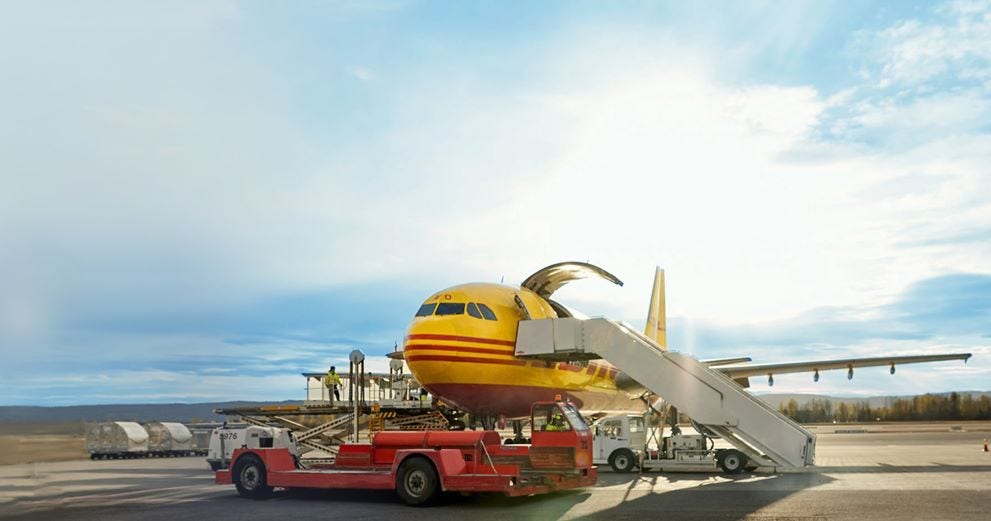
Beating geography requires global reach and local precision. For operations in locations such as industrial zones in Binh Duong or Dong Nai, the distance from major hubs is a significant risk. We solve this by using Next Flight Out (NFO) services that bypass standard sorting processes.
Your part is placed on the very next available commercial or chartered flight. We do not wait for a truck to fill up or a fixed departure window. Critical spare parts require a dedicated pathway that operates 24/7. Reducing industrial downtime depends on this speed.
A part stuck in customs is as useless as a part that was never ordered. In 2026, regulatory compliance is complex, and a single missing document can lead to days of delays. For example, a minor error in the HS code on a certificate of origin can cause businesses to lose tariff preferences, resulting in unexpected costs. Here is how we keep your parts moving smoothly across the border:
Keeping shipment values below specific thresholds simplifies the process considerably. An effective field service logistics system requires this kind of smooth border crossing to keep your operations running without interruption, particularly during busy periods such as the lead-up to Tet.
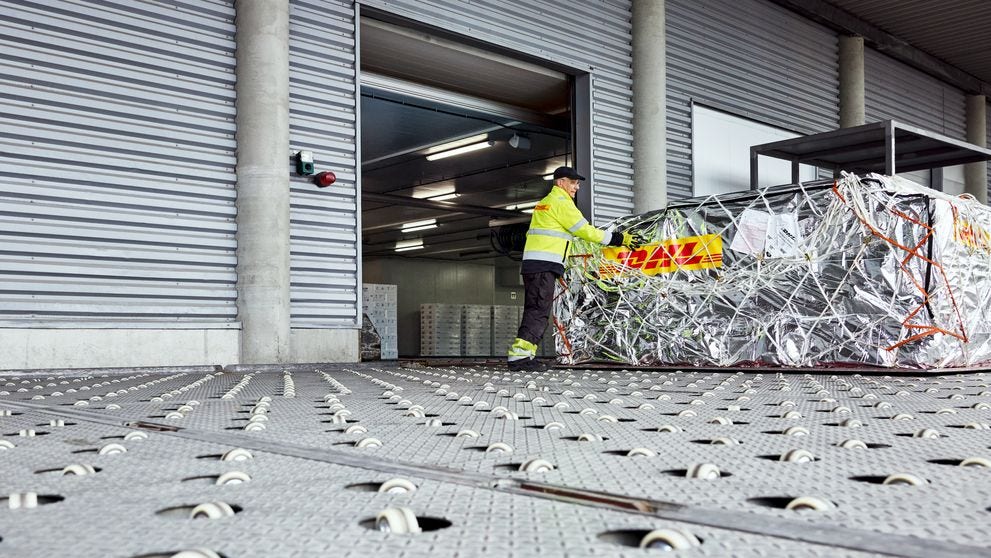
Physical safety is just as important as speed. A part that arrives damaged is a nightmare for any operations manager. We use specialised packaging and protocols for sensitive electronics.
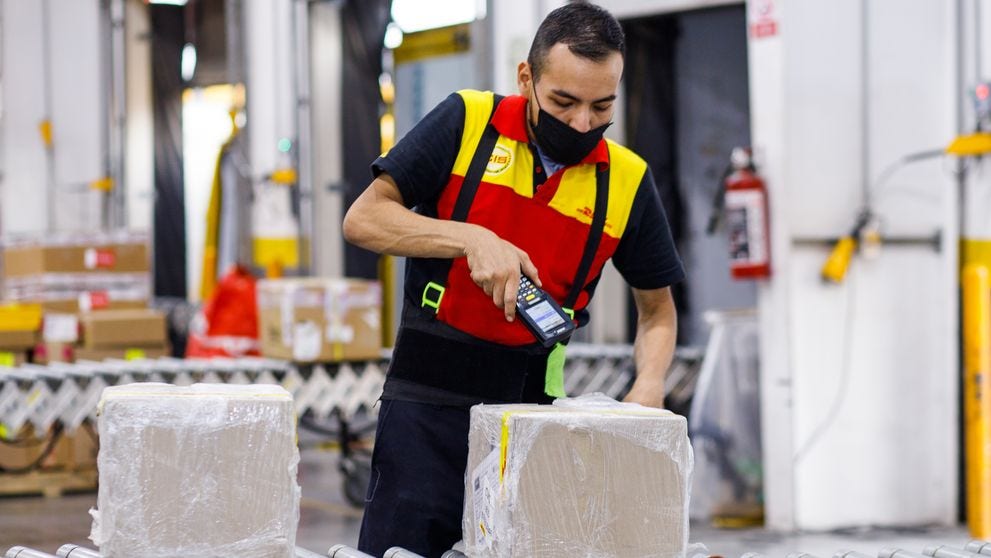
By using MyDHL+, you can set custom alerts for these safety milestones. You will not need to call a customer service line to find out whether your part arrived intact. Data is pushed to your mobile device in real-time.
The future of spare parts efficiency is moving towards digital inventory. Instead of shipping a heavy metal bracket, you can send the CAD file. This creates a more sustainable and resilient supply chain.
Predictive maintenance is the ultimate goal. When your machinery signals that it is approaching failure, we can have the replacement part ready at the gate. This is the gold standard for your supply chain.
The supply chain does not end when the new part is installed. The broken part often holds significant value for refurbishment. This process is known as reverse logistics.
A proper field service logistics system must include this returns loop to keep costs down. Closing the loop is the best way to keep your assets running while saving money.
Opening a DHL business account is the fastest way to access these priority services. It gives you preferred rates and access to a dedicated account manager who understands your specific parts requirements.
Your business account also gives you access to advanced shipping tools such as MyDHL+. This makes it easier to manage complex international shipments and stay ahead of the competition.
Downtime is a choice. If you rely on standard shipping for critical components, you are leaving your production exposed to unnecessary risk. A modern B2B logistics plan is your best defence against the unpredictable. Contact a DHL specialist today to discuss your spare parts strategy and keep your operations running without interruption.
We aim for under 24 hours by using our global priority network and Next Flight Out (NFO) services. This ensures your part gets on the first available aircraft to reach your site as quickly as possible.
Use pre-clearance protocols and Duties and Taxes Paid services to ensure customs officers at the General Department of Vietnam Customs (GDVC) can approve the shipment while it is still in the air. This eliminates the waiting time at the terminal and speeds up delivery.
We use shock sensors and custom crates that meet international standards to track every impact along the way. You receive real-time data on the condition of your part through the DHL Control Tower.
Yes, for simpler items such as brackets and seals, though complex components still require physical shipping. It is an effective way to reduce your storage costs and environmental footprint.
You can use MyDHL+ to view real-time location data for your shipment. We provide milestone updates and live tracking so you know exactly when the part will reach your technician.


 Share
Share