In recent years, SMEs, retailers, and e-commerce businesses in Vietnam have been facing growing pressure to operate more sustainably. In 2025, the Vietnamese economy continued to expand its global trade footprint, with exports reaching approximately US$475 billion, a 17% year-on-year increase1. This rising demand for Vietnamese products creates significant opportunities, but also increases the importance of sustainable packaging and efficient reverse logistics.
Traditionally, many exporters have relied on a linear “take-make-waste” model. Products are packed in single-use materials, shipped, unpacked, and discarded. In contrast, a circular model keeps packaging materials in circulation for as long as possible, reducing waste and maximizing value.
Returnable packaging systems sit at the heart of this shift. For businesses, they offer a practical way to strengthen reverse logistics while reducing long-term costs.
What is Returnable Transport Packaging
Returnable Transport Packaging, often referred to as RTP, is a closed-loop system where packaging materials are reused multiple times. Instead of treating packaging as disposable, businesses treat it as a circulating asset.
Key features of returnable packaging include:
- Reusable: Engineered to complete tens or even hundreds of cycles, maximizing the lifecycle value of each unit.
- Strong: Constructed from high-density polymers or reinforced materials that withstand repeated handling, stacking, and long-haul transit.
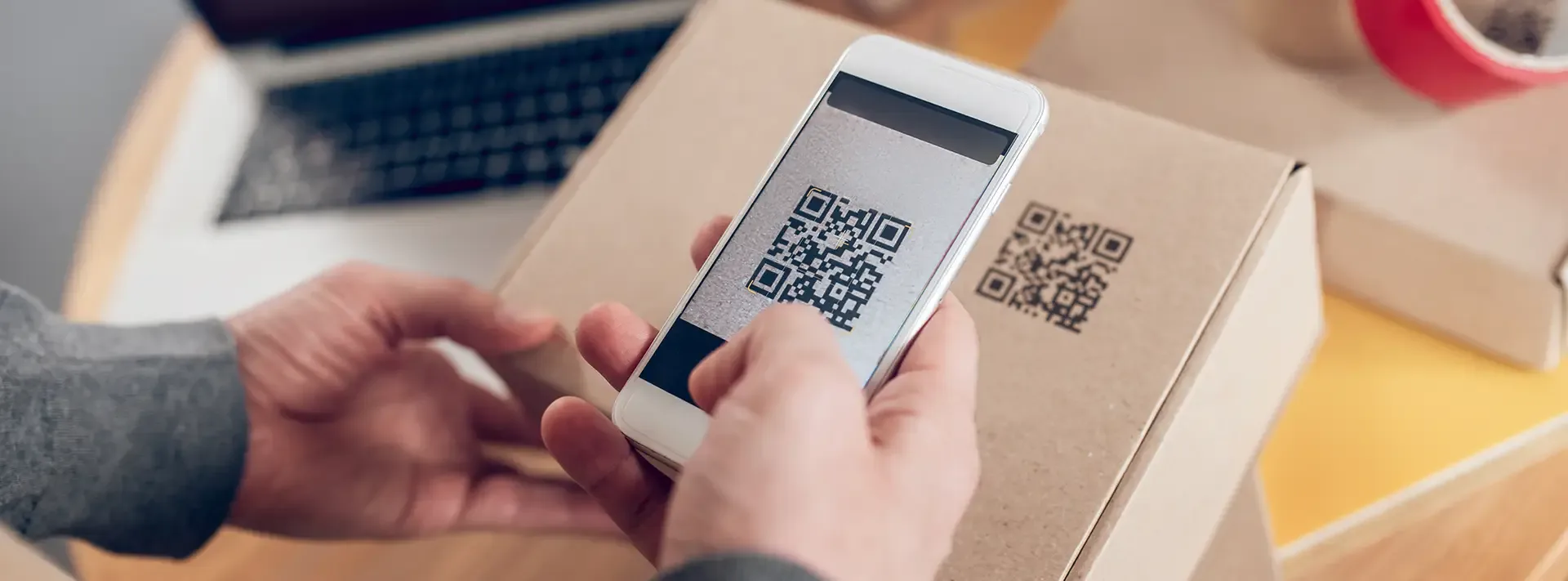
- Traceable: Integrated with RFID, IoT sensors, or barcodes to enable real-time monitoring across the supply chain.
- System-oriented: Designed as part of a structured closed-loop network involving the shipper, carrier, and receiver to ensure smooth return flows.
4 Types of returnable packaging solutions
1. Returnable containers
Rigid, stackable plastic crates and bins are commonly used to protect electronics, automotive components, and high-value retail goods. Their structured design prevents crushing during long-haul flights and international transit.
These containers are engineered for stacking efficiency, reducing wasted vertical space in air cargo holds and warehouse environments.
2. Reusable dunnage
Reusable dunnage refers to internal protective materials such as bubble-guard sheets, foam inserts, or custom-molded supports. Unlike single-use packing peanuts or disposable bubble wrap, reusable dunnage reduces waste for end consumers and overseas distributors.
3. Returnable pallet sleeve systems
This system typically includes three components: a durable base pallet, a collapsible sleeve, and a secure lid. Together, they replace traditional wooden pallets and stretch wrap.
One major advantage is collapsibility. When empty units are returned, they fold down to minimize storage space and reduce transport costs. This makes them ideal for structured return routes between Vietnamese manufacturers and overseas distribution centers.
4. Foldable Large Containers (FLC)
Foldable Large Containers are heavy-duty units designed for bulk shipping from Vietnam. They are particularly useful for high-volume exporters moving substantial quantities of goods.
These containers optimize freight space, helping reduce the carbon footprint per unit shipped. By maximizing load efficiency, businesses can move more product with fewer trips, lowering emissions and freight costs simultaneously.
Why adopt returnable packaging?
Returnable packaging offers more than environmental appeal. It delivers measurable business value, particularly for companies dealing with frequent returns, consistent shipping cycles, and established distribution networks.
Long-term cost savings
While returnable packaging requires a higher initial investment, the cost is spread across multiple shipping cycles. After several uses, businesses eliminate the recurring expense of buying disposable materials.
For companies shipping from Vietnam on a regular basis, this reduction in material purchases can significantly improve margins.
Environmental sustainability and compliance
Reusable packaging supports compliance with evolving international regulations, including Europe’s Packaging and Packaging Waste Regulation. Exporters that rely on sustainable packaging are better positioned to meet these standards and avoid potential penalties.
Beyond compliance, a circular logistics approach strengthens brand credibility. International buyers increasingly favor partners that actively reduce waste and environmental impact.
Logistical and operational efficiency
Operational efficiency improves when logistics systems are structured and predictable. Some of the benefits that returnable packaging systems bring include:
- Simplified warehouse stacking and automated sorting
- Improved loading efficiency through consistent dimensions
- More reliable supply chain performance
- Reduced loss of packaging assets
- Greater visibility over reverse logistics and inventory control
International parcel services such as DHL Express enhance this efficiency through digital shipping tools and real-time shipment visibility, which support predictable transit times and transparent tracking.
Enhanced product protection
Returnable Transport Packaging materials are far more durable than traditional cardboard. This is particularly important for Vietnam’s high-tech exports and fragile handicraft products.
Stronger packaging reduces transit damage and protects brand reputation. For exporters operating in competitive global markets, reliability in product condition is critical.
How to implement returnable packaging in your business
1. Conduct a closed-loop feasibility audit
Identify shipping routes where goods move consistently between your facility and a dedicated partner or distribution center. High-frequency, predictable routes are ideal for returnable packaging systems.
Without a structured return path, the benefits of returnable packaging are harder to capture.
2. Invest in tracking and asset management
Tracking systems such as RFID or IoT sensors help prevent the loss of valuable packaging units. They also provide insight into return times, cycle counts, and system efficiency.
Data-driven monitoring ensures your return logistics process remains controlled and measurable.
3. Choose standardized sizes for cross-border compatibility
Select packaging dimensions that align with standard air freight and sea container profiles. This avoids wasted space and potential surcharges caused by inefficient loading.
Compatibility with international freight standards ensures smooth cross-border movement.
4. Start with a high-value pilot program
Begin implementing returnable packaging with your most fragile or expensive products. These items benefit most immediately from enhanced protection.
A pilot program allows you to test operational adjustments, measure cost savings, and refine return processes before expanding the system company-wide.
5. Collaborate with a specialized logistics partner
Returnable packaging depends on efficient reverse logistics. Choosing a carrier that understands international customs procedures and structured return flows is essential.
Some of the advantages of working with a specialized logistics partner such as DHL Express Vietnam include:
- Customs expertise that supports smoother cross-border processing
- Structured reverse logistics capabilities
- Global network reach
- Digital tracking tools that provide visibility over shipments
Closing the loop with DHL Express
Sustainable logistics and implementing returnable packaging systems help businesses reduce waste and meet international expectations. However, to achieve business goals, partnering with a reliable logistics partner is key.
DHL Express provides the global reach and operational expertise to ensure that returnable packaging is managed through clear processes and reliable logistics support. With end-to-end visibility and specialized shipping solutions, businesses in Vietnam can move goods internationally with greater consistency to meet changing customer expectations.
As sustainability becomes a defining factor in global trade, transitioning to returnable packaging is no longer optional. Open a business account with DHL Express Vietnam today and take the next step toward building a reverse logistics strategy that supports long-term growth.


 Share
Share
Similar Stories